KLAS Contact

Contact KLAS
Contact KLAS
 2026 BEST IN KLAS
Preferences
Related Series

2024

2023
Digital Health Most Wired
National Trends 2025

Author
Emily Paxman
Advancing Health Outcomes Through Digitally Enabled Care
The Digital Health Most Wired National Trends Report 2025 highlights healthcare’s shift from technology adoption to measurable impact. This year’s results show that governance, integration, and accountability now define digital maturity. Based on data from hundreds of organizations worldwide, the CHIME Digital Health Most Wired (DHMW) survey remains the industry’s most trusted benchmark for digital performance. Recognized by the Global Digital Health Partnership (GDHP) and the World Health Organization for its rigor and scope, the DHMW framework is among the most-validated, highest-performing global benchmarking measures of digital health maturity in use today.
In 2025, progress is driven by optimization, not expansion. Leading organizations are aligning governance, embedding analytics into optimized workflows, connecting data across teams, and applying AI and automation to improve quality, safety, and efficiency and deliver a seamless patient experience. The insights in this report show how high-performing organizations achieve measurable outcomes across infrastructure, cybersecurity, analytics, interoperability, patient engagement, and clinical quality, turning digital investment into meaningful, sustainable impact.
Why This Report Matters
The Most Wired survey is more than a benchmark; it is a practical, data-informed road map for healthcare leaders. Each year’s findings provide evidence-based insights into what drives measurable performance in digitally enabled healthcare delivery, helping organizations define digital strategy, guide investment priorities, and align stakeholders on common goals and results that matter. The 2025 report offers actionable direction, translating data into strategies that improve care delivery, strengthen resilience, and drive innovation across the healthcare ecosystem.
Looking Ahead
Healthcare’s digital transformation is accelerating, and the bar for technology deployment and achievement will continue to rise. As governance, data quality, and integration mature, the Digital Health Most Wired program continues to evolve alongside the industry, setting new benchmarks, measuring progress, and surfacing what works and why. We research what differentiates the highest-performing organizations, guiding leaders toward the next frontier of digital performance that translates to improved health outcomes in patient and workforce experience, population health, value for money, and equitable access to safe, high-quality care.
Methodology
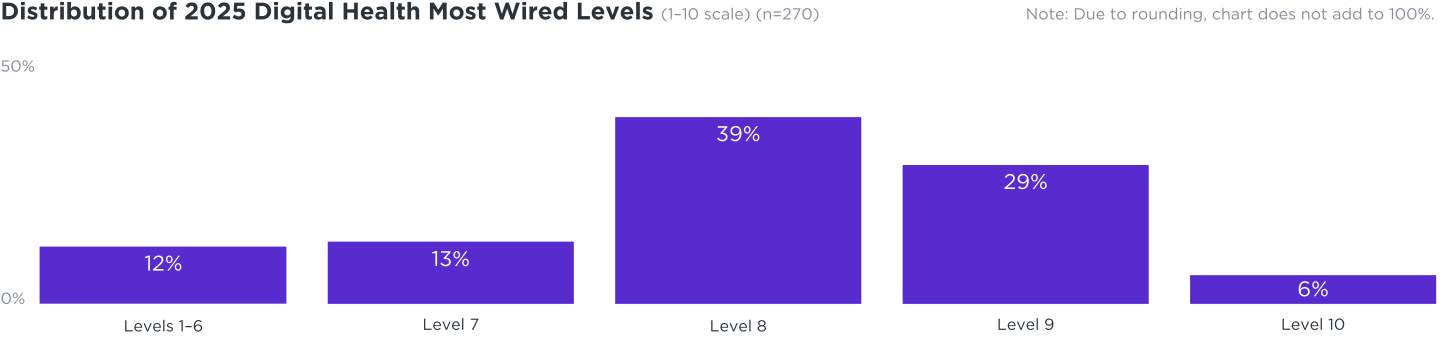
The DHMW survey evaluates healthcare organizations across eight domains: Infrastructure, Cybersecurity, Administration, Supply Chain, Analytics & Data Management, Interoperability & Population Health, Patient Engagement, Clinical Quality & Safety and Innovation & Emerging Technology. Participants receive domain scores and an overall maturity level (1–10) based on the meaningful adoption, integration, and outcomes of digital technologies implemented to deliver benefits across the five pillars of the Institute for Healthcare Improvement’s Quintuple Aim of Health. Responses are gathered from senior digital leaders and multidisciplinary teams across the healthcare delivery spectrum, including acute care, ambulatory care, and long-term post–acute care (LTPAC). The 2025 data set includes provider organizations of all sizes, from 25-bed critical access hospitals to 12,000-bed mega health systems, and ambulatory care practices ranging from 5 to 5,000 physicians and advanced practice providers. Participation is free and open to all healthcare organizations. In 2025, the global cohort includes 259 unique acute care organizations, 48,000 ambulatory care clinics, and 18 LTPAC organizations. Countries represented in the data include the United States, Italy, Kingdom of Saudi Arabia, United Arab Emirates, United Kingdom, Northern Ireland, and India.
Overall Trends from 2025 Survey
Clear Leadership & Governance Drive Success
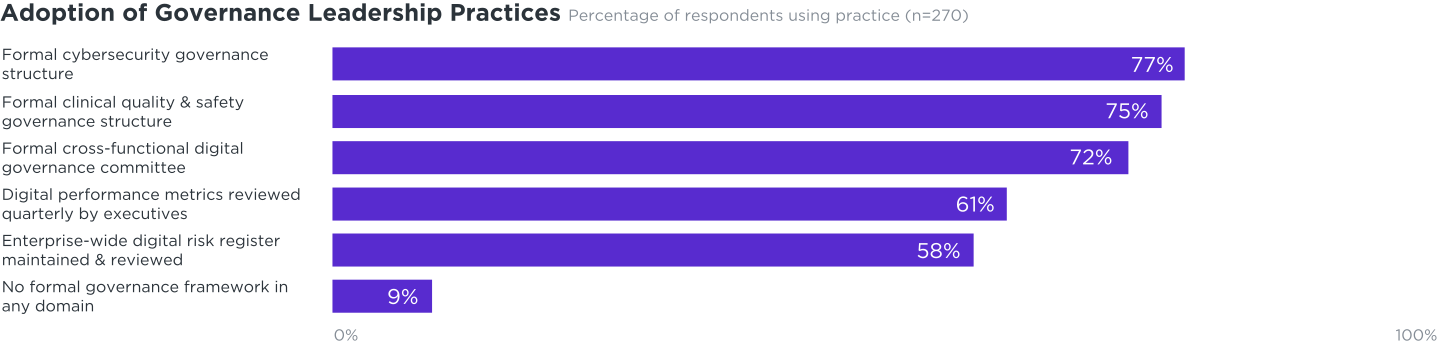
Across every domain, particularly in cybersecurity, clinical quality, analytics, and interoperability, the strongest predictor of performance is the presence of dedicated executive leadership, with ownership and accountability supported by disciplined governance that is fully ingrained in a culture of excellence. Organizations that assign leaders to key areas, maintain active risk registers, and review progress regularly, connecting digital strategy with a north-star mission and values, consistently outperform peers with similar budgets or tools. Digital excellence does not happen by chance or through technology alone; it grows out of intentional leadership, robust governance structures, and a steady rhythm of iterative improvement that keeps technical work aligned with performance and enterprise goals. High-performing healthcare organizations manage digital operations with the same rigor they apply to clinical quality, combining executive sponsorship, cross-functional committees, and transparent performance metrics. Governance turns digital projects into sustainable performance, replacing reactive problem solving with continuous improvement through proactive management and a culture of learning. For healthcare organizations globally, the lesson is straightforward: assign clear owners, define how success will be measured, and regularly measure outcomes using a validated framework. Structure turns intent into performance.
Budget Resources Alone Don’t Create Maturity; Focus Beats Funding
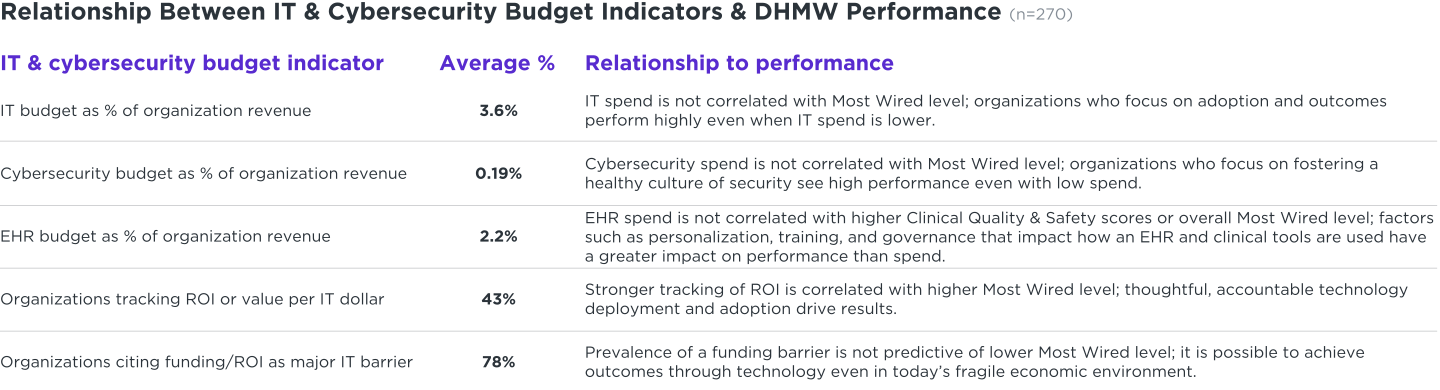
Higher IT, cybersecurity, or EHR spending doesn’t automatically translate to greater digital maturity. Once core systems are in place, additional investment only pays off when it is directed at specific, high-impact priorities, such as process optimization and automation, data quality, clinical safety, information sharing, and governance. The most effective organizations spend strategically, while lower performers often spread budgets thin across disconnected projects or redundant technologies. Nearly every organization cites funding as a challenge, showing that limited resources are the norm rather than the exception. What separates leaders is how well they connect spending to measurable outcomes and communicate results to executives and boards. Effectiveness per dollar matters more than total spending. While organizations vary widely in needs, risk, and complexity, across all cohorts, true digital maturity depends on clarity, focus, and value for money, not budget size. Organizations that align investments with clear goals, track ROI at the program level, and consistently engage with stakeholders achieve the greatest impact from every dollar they invest.
Data Governance & Quality Are the Backbone of Transformation
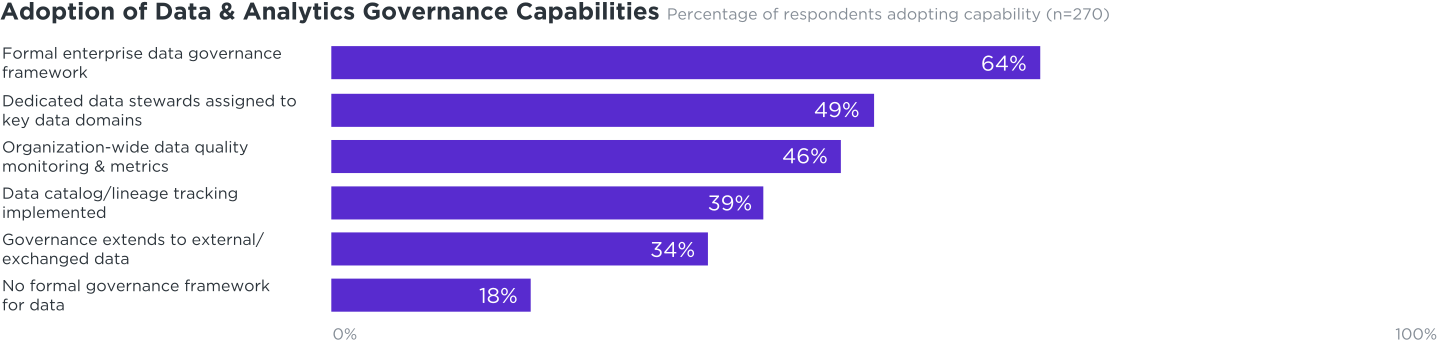
No matter how advanced a health system’s analytics tools or AI plans may be, progress stops without accurate, well-governed data. Strong data governance built on clear definitions, data provenance, quality monitoring, and stewardship shows a stronger link to overall performance than almost any other factor in the survey. Organizations that invest in a disciplined data governance structure outperform their peers in analytics, safety, and innovation because their leaders and clinicians trust the data they use. When data is inconsistent or poorly defined, confidence is eroded, and adoption slows. Even the most sophisticated dashboards lose value when users do not believe the numbers. The most mature healthcare organizations understand that governance is not bureaucracy; it is the foundation for speed, trust, and confident decision-making. They assign data stewards to manage critical data elements, publish quality metrics openly, and make sure every analytics effort is traceable back to quality-governed data sources. Healthcare is more dependent than ever on real-time and predictive information, interoperability, and safe adoption of artificial intelligence. Trustworthy data with effective governance is proving to be the critical foundation for sustainable transformation.
Digital Health Maturity Depends on Integration, Both Technical & Organizational
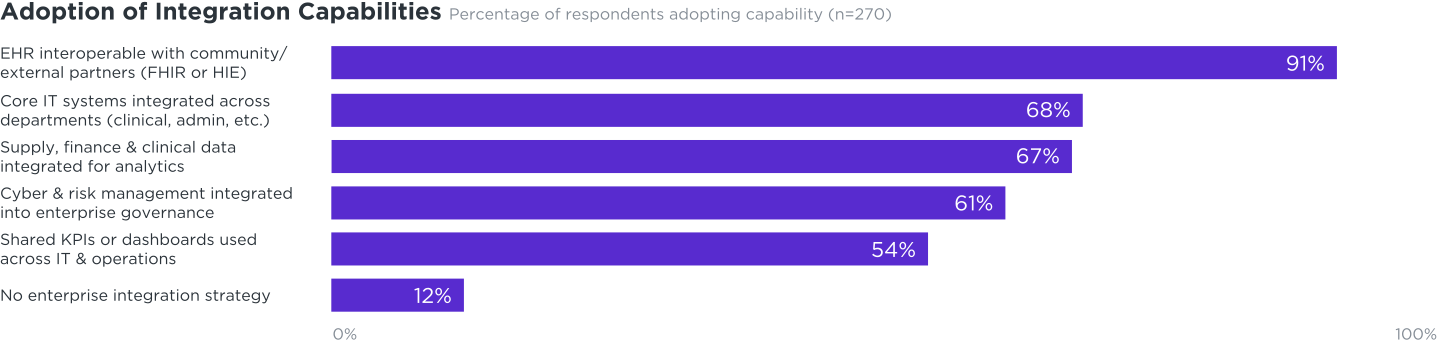
The clearest signal of digital maturity is how connected an organization is, both technologically and operationally. Organizations that have advanced interoperability, multidisciplinary collaboration across departments, and integrated risk management consistently rank higher in overall performance and patient engagement. Integration matters on two levels. Technically, it means using shared data platforms, standardized APIs, and seamless data exchange with partners. Organizationally, it means aligning goals, governance, and accountability across teams. Even reported challenges such as interoperability or regulatory complexity appear more often in advanced organizations because they operate at a higher level of coordination. Less mature organizations may not encounter those issues simply because their systems remain disconnected and the issues aren’t being surfaced. The lesson for leaders is that integration must be a deliberate strategy, not a byproduct of IT projects. Each initiative, from cybersecurity to patient engagement, should reinforce the links between people, process, and data. Digital transformation happens when teams and technology work in precision.
Empowered People, Not Just More People, Accelerate Progress
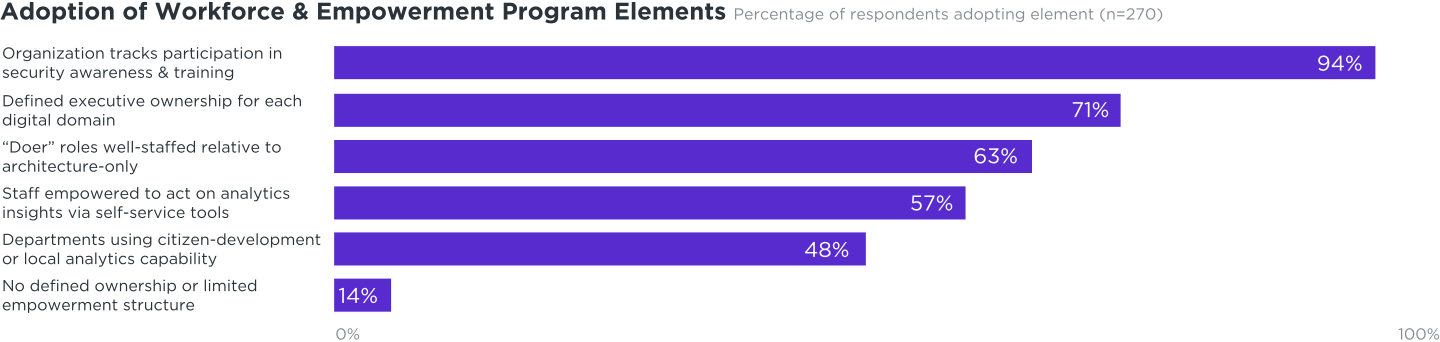
Adding more staff does not guarantee success. What matters is capability, confidence, and empowerment. Organizations that give people clear roles, authority, training, and reliable tools achieve better results than those that simply increase headcount. In cybersecurity, top performers rely on skilled practitioners focused on detection, identification, and response rather than larger administrative teams. In analytics, innovation grows when clinicians and managers have trusted data and the skills to use it effectively. Across all domains, progress depends on human leverage, not team size. High-performing systems enable success by clarifying responsibilities, simplifying workflows, and giving staff the support and resources to make decisions. Empowered teams turn potential into progress. Successful organizations show that leadership and culture with engaged, informed teams matter more than size. For healthcare leaders, the key is balancing accountability with autonomy: set clear expectations, provide good data, and give people space to act.
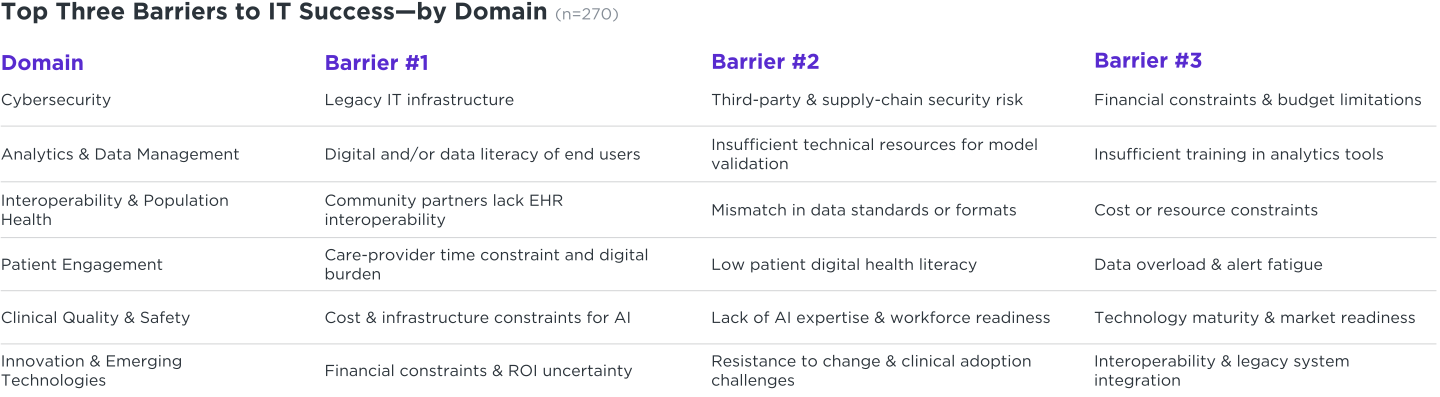
Shared Barriers to Digital Health Technology Adoption Reveal Systemic Maturity Gaps Across Domains
Many obstacles to digital maturity are universal across knowledge domains. Some are technical—like integration and interoperability—but most stem from organizational capacity and alignment. Healthcare organizations struggling with integration often face the same barriers in cybersecurity, analytics, and innovation, revealing systemic rather than isolated issues. Limited workforce capacity, low data literacy, and change fatigue routinely slow adoption, even when technology is available. While cost pressures affect everyone, what truly separates high performers is execution—the ability to align people, processes, and data around shared goals. In short, these challenges may appear different by topic but often share a common root: managing fragmented information and processes across interconnected systems, leading to ripple effects throughout the organization.
Hospital-at-Home Is Gaining Traction but Needs Stronger Digital Foundations
Home-based acute care is expanding as organizations seek to boost capacity, reduce costs, and deliver patient-centered care. One in five have launched hospital-at-home programs, signaling early momentum toward distributed models. However, growth is limited by technology gaps: most rely on disconnected tools, and fewer than one in four have integrated remote-monitoring data into EHR workflows. Without this digital backbone, programs struggle to scale safely. Success depends on integrated data, strong governance, and aligned workflows that extend hospital capabilities into the home.

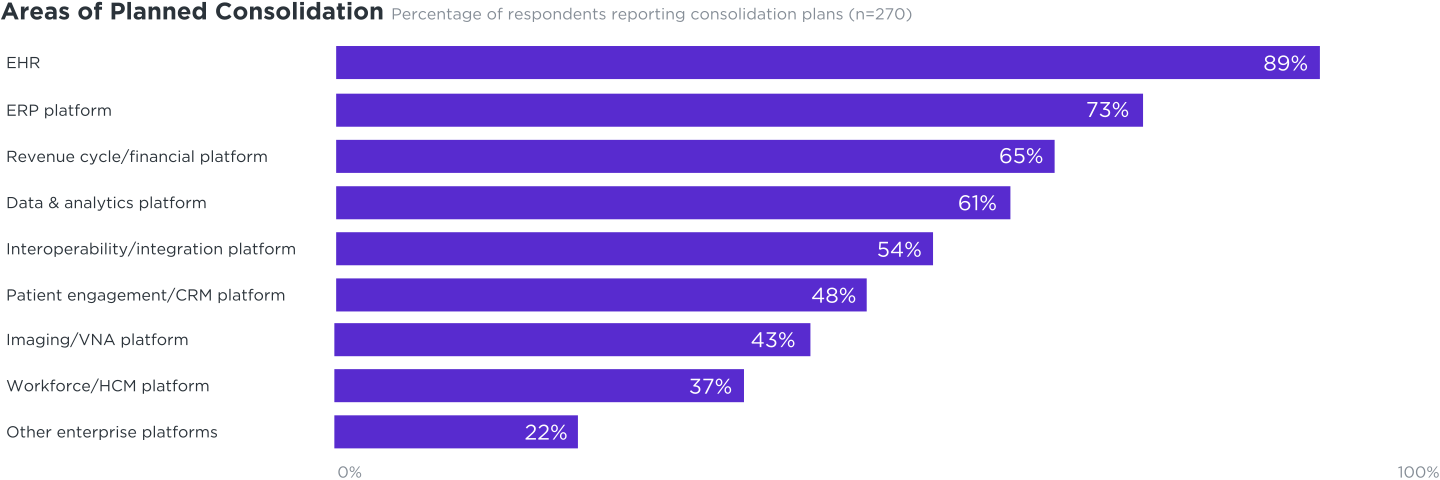
EHR & ERP Dominate IT Consolidation Plans; Data & Integration Platforms Are the Next Wave
Healthcare organizations are simplifying their technology footprints, focusing on fewer enterprise platforms instead of hundreds of applications. The biggest movement is in EHR and ERP systems, which remain the foundation of digital operations. EHR consolidation centers on bringing ambulatory and specialty clinics onto the same enterprise platform as hospitals, reducing duplication and improving data flow. ERP momentum is driven by finance and HR leaders seeking better visibility into costs, supply chains, and workforce management through unified, cloud-based systems. These platforms anchor most consolidation efforts because they touch nearly every part of the organization. Beyond them, adoption extends into analytics and integration platforms as organizations standardize on a few enterprise data or cloud tools to simplify and secure information sharing.
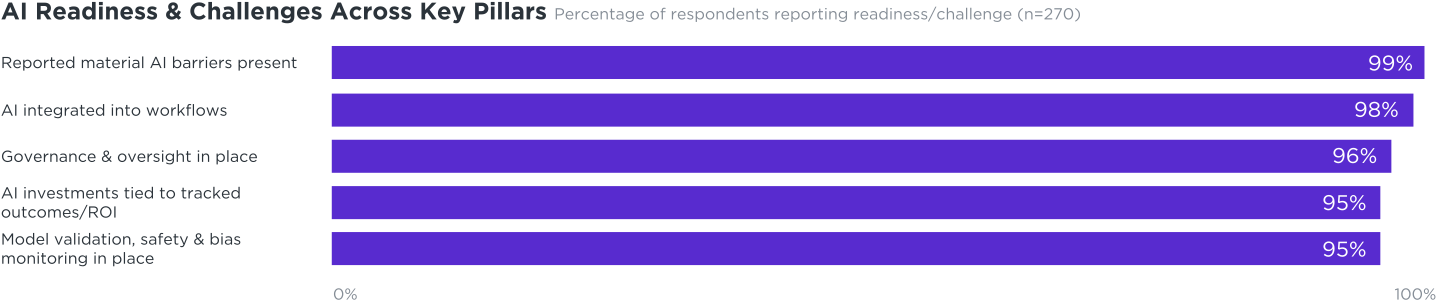
AI Adoption Is Accelerating, but Readiness for Safe & Sustainable Use Still Varies
Healthcare organizations are moving quickly on AI, and the deployment buzz is real: most report governance structures, model validation, and AI embedded in clinical, operational, or revenue workflows. Yet adoption faces the same barriers as other digital technologies—integration, skills, safety, and oversight—signaling that AI remains in an “early scale-up” phase in which it is active but not yet durable. Deployment differs from readiness, which is essential for achieving scale, safety, and adoption depth. Without that foundation, organizations risk stalled pilots, suboptimal results, and unrealized ROI. Those with nimble policies; multidisciplinary engagement across clinical, operational, and IT teams; rigorous testing for safety, bias, and ethics; and seamless workflow integration are best positioned for sustainable AI at scale with measurable value.
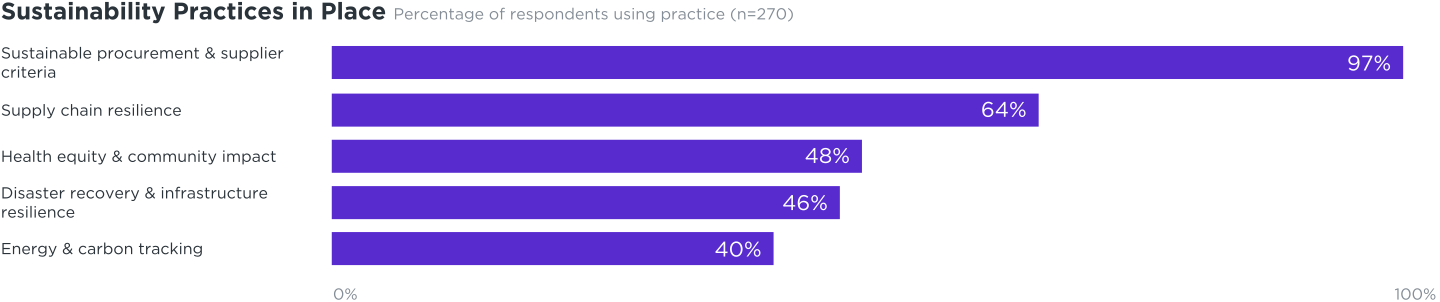
Sustainability & Resilience Are Emerging Priorities; Depth & Measurement Still Lag
Organizations are starting to weave climate, resilience, and equity into digital operations, but maturity varies by pillar and only 13% have a dedicated chief sustainability officer. Sustainable procurement signals are strong (environmental criteria and sustainability metrics appear in many programs), and supply-chain resilience is emerging as a structured discipline. By contrast, energy/carbon tracking and disaster-recovery/infrastructure resilience are adopted less frequently, and equity/community impact efforts are present but not yet universal. The pattern points to an early stage of operationalization: policies and governance show up first, followed by measurement, analytics, and actionable insights. Only at this point can organizations effect meaningful change in their business approach.
Key Domains in Digital Health
Infrastructure
In 2025, digital infrastructure continues to be a defining factor in how effectively healthcare organizations scale innovation. Compared with 2024, more organizations are refining hybrid cloud environments and network segmentation to balance scalability with security. The industry has moved from modernization to optimization, improving reliability, redundancy, and digital readiness across distributed care models. Infrastructure investments are now centered on automation, AI workloads, and real-time data streaming instead of traditional server expansion.

Hybrid Cloud Optimization Defines 2025 Maturity
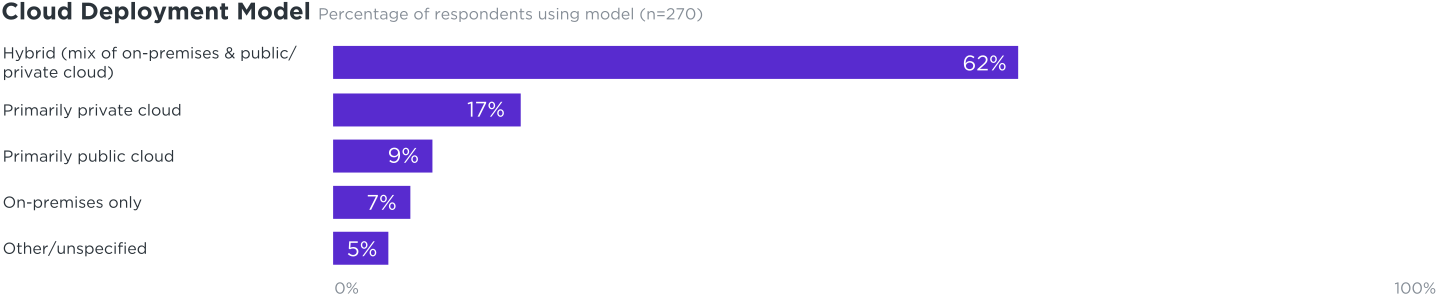
Cloud adoption has reached maturity, with nearly every health system now operating in a hybrid environment. The gap between average and leading organizations lies in how effectively they manage and optimize it. Advanced systems streamline orchestration across public and private platforms, automate provisioning, and enforce data-sovereignty controls that protect compliance without limiting scalability. The focus has shifted from adopting cloud services to fine-tuning performance for real-time workloads via AI analytics and continuous data from remote care sites. High performers achieve faster provisioning, less downtime, and more predictable costs through centralized governance. For healthcare leaders, success now depends on how well the cloud is managed, not on how much it is adopted. Visibility, workload flexibility, and disciplined cost control matter more than migration volume.
Internet of Things Visibility is High, but Automated Resilience Remains a Frontier
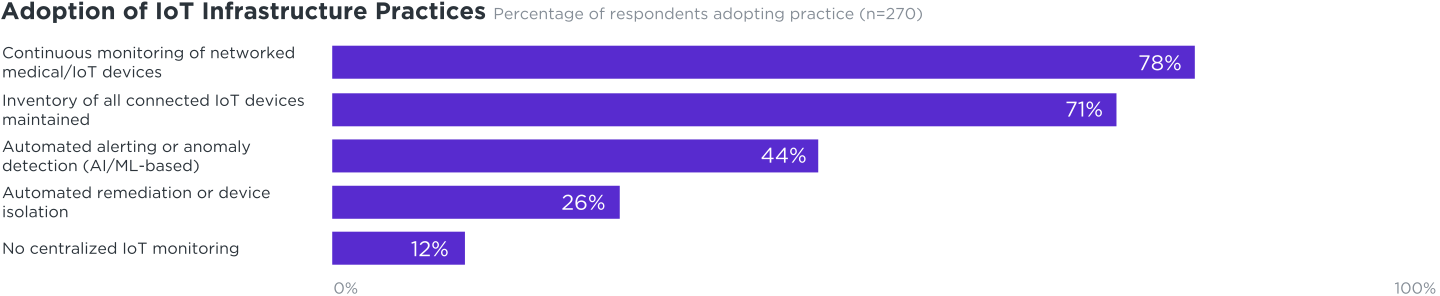
Acute care organizations have rapidly expanded Internet of Things (IoT) monitoring, connecting everything from infusion pumps to environmental sensors. Yet only the most advanced organizations pair that visibility with AI-driven detection or automated response. Most still rely on manual alerts or periodic reviews, leaving blind spots that grow as devices proliferate. The difference between monitoring and management is automation: IoT without automation adds manual workload, while IoT with intelligent orchestration enhances security and uptime. Leading organizations feed device data into central analytics engines that predict failures, trigger automated fixes, and integrate alerts into cybersecurity workflows. For others, the next step is linking IoT analytics to automated management. As device counts rise, autonomous infrastructure monitoring will become the standard for safety and reliability.
Disaster Recovery Discipline Differentiates Optimized Infrastructures from Merely Modern Ones
Disaster-recovery testing remains comparatively uncommon across the industry. Although more organizations now run quarterly or semiannual simulations, about a third still test only once a year or after an incident. In a hybrid-cloud environment that spans multiple vendors and data centers, that cadence leaves too much risk. Healthcare organizations that conduct regular, scenario-based recovery drills perform better on survey questions related to reliability and cybersecurity readiness as well as in the infrastructure category overall. Their advantage comes from identifying weak points before they cause disruptions—particularly in cloud failover, EHR recovery timing, and communication channels. Maturity in this area depends more on process than on technology. High-achieving organizations make disaster recovery part of their normal operating rhythm, treating it as a routine validation exercise (i.e., an ongoing check that systems can perform and recover as designed) rather than a compliance task.

Sustainability & Energy Intelligence Are Emerging Differentiators in Digital Infrastructure
Half of surveyed organizations now report at least one initiative to improve data-center energy efficiency or use renewable energy, but few measure IT-specific energy use or emissions. The next level of maturity links sustainability directly to operational intelligence, using real-time monitoring to optimize workloads and align energy use with grid efficiency. Organizations taking this approach are already seeing a dual benefit: lower operating costs and stronger community reputation. As AI and other high-performance workloads grow, energy efficiency will become as critical as staffing or budget constraints. Early adopters of green IT metrics are positioning themselves ahead of future regulatory, consumer, and investor expectations. For healthcare organizations, sustainability is moving from a moral goal to a core operational skill and critical risk management tool.

Multi-Region Redundancy & Failover Automation Remain Inconsistently Adopted, Especially for Smaller Healthcare Organizations
Most large health networks have achieved multi-site redundancy, allowing seamless failover between data centers or cloud regions. Smaller and midsize hospitals remain more vulnerable, often depending on single-region backups or manual recovery processes. These limitations are driven partly by resource constraints but also by mindset, as smaller organizations still see redundancy as an added expense rather than a necessity. The data suggests that automating failovers yields major reliability gains relative to cost once virtualization is in place. Leading organizations with more-mature infrastructures view redundancy as a safeguard for patient care continuity rather than a technical luxury. As healthcare becomes more digital and distributed, the ability to switch workloads instantly across regions will be a defining measure of resilience and a critical risk mitigation strategy.

Cybersecurity
Cybersecurity resilience remains the top priority in 2025 as AI-enabled attacks make threats even more sophisticated and persistent. Organizations are investing heavily in continuous threat monitoring, advanced endpoint protection, and zero-trust architecture. The biggest change from 2024 is the shift in focus, from prevention alone to response readiness, recovery testing, and business continuity. These shifts are indicative of the way CIOs and CISOs increasingly view cybersecurity as an enterprise-wide culture issue rather than a purely technical one, embedding staff education, leadership engagement, and board oversight into long-term maturity programs.

Response Readiness Testing Now Defines True Cyber Maturity
Prevention by itself no longer guarantees protection. The real differentiator now is how well organizations practice their response. While nearly every organization has an incident-response plan, only a small portion conduct full-scale exercises that include IT, operations, and leadership. Organizations that test their plans quarterly or semiannually perform better in both cyber scores and post-incident recovery. The most mature programs operate like emergency management teams; they simulate ransomware or outage events, track mean time to detect and recover, and continuously refine playbooks. Less mature organizations still treat testing as a compliance requirement instead of a preparedness exercise. Cyber resilience depends on coordination and communication as much as technology. Healthcare organizations should make tabletop exercises routine, integrate clinical and business continuity plans, and use defined metrics to measure progress over time. This practice is a significant differentiator between organizations performing at the highest levels of digital maturity and those in the earlier stages.

Continuous Threat Monitoring & Endpoint Protection Are Nearly Universal, but Automated Monitoring Still Lags
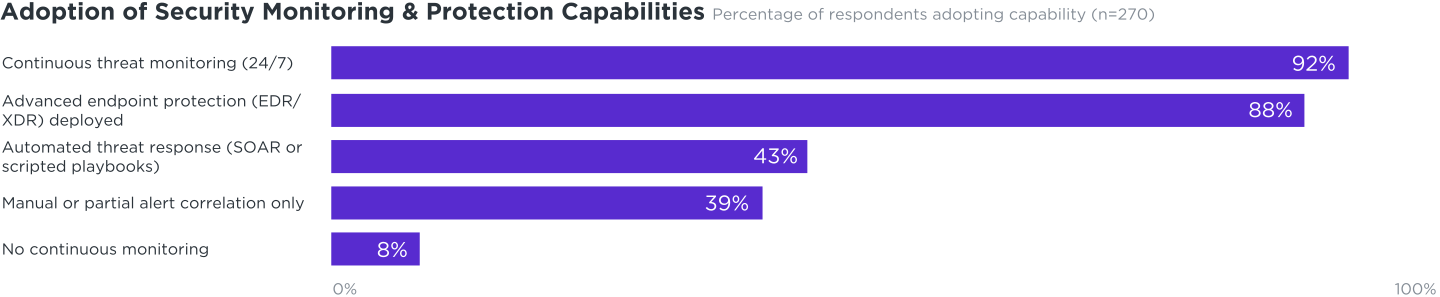
Almost all healthcare organizations now maintain 24/7 security threat monitoring, either in-house or through managed partners, and endpoint protection is deployed in more than 90% of organizations. However, fewer than half have implemented automated threat correlation or response orchestration. This reflects a shift in focus across the industry; visibility is no longer enough unless teams can respond instantly. Organizations that invest in automation have greater confidence in their recovery capabilities and shorter detection-to-containment times. In 2025, leadership in cybersecurity is no longer about adding tools but about connecting and automating them into a cohesive system that allows for continuous improvement by integrating lessons learned alongside new technology capabilities.
Zero-Trust Principles Are Spreading, but Full Implementation Remains Rare
Zero-trust architecture has become a strategic goal, but execution still varies widely. Roughly three-quarters of respondents report adopting at least some zero-trust principles, such as micro-segmentation or identity-based access control, yet only 18% have implemented them across all systems. Partial deployments often stall due to legacy constraints or limited identity governance. High-performing organizations link zero-trust principles directly to business outcomes, using the principles to protect clinical data flows, secure remote access, and strengthen overall resilience rather than treating zero-trust architecture as an isolated IT project. For many, 2025 is the year to move from concept to completion by extending identity verification to every endpoint and connecting authentication data with their broader security analytics.

Board & Leadership Engagement Are Becoming Integral to Cybersecurity Maturity
Cybersecurity has evolved from being an IT concern to a core enterprise-risk issue. 85% of organizations now present cybersecurity updates to their boards at least once a year, and nearly half do so quarterly. Organizations with regular board engagement report higher readiness and stronger alignment between funding and priorities. The evidence is clear—when boards stay involved and ask informed questions, programs mature faster. CIOs and CISOs should maintain a consistent reporting cadence and frame cybersecurity in terms of business risk and resilience.

Security Awareness Training Is Nearly Universal; Impact Depends on Frequency & Measurement
Employee education remains one of the most common security measures, but its quality varies. 94% of organizations offer cybersecurity training, yet only about half assess its impact through phishing simulations or knowledge checks. The most mature organizations report that they weave awareness into the overall training experience, embedding training into onboarding, offering regular refreshers, and linking results to performance goals. Effective education isn’t a single event or compliance task; it is an ongoing effort to build security awareness and accountability across the workforce.

Supply Chain
Supply chain management in 2025 is increasingly digital and predictive. Healthcare organizations use analytics and automation to anticipate disruptions and manage vendor risk more effectively. What began as post-pandemic resilience planning has evolved into continuous scenario modeling that connects clinical, financial, and procurement data streams. The most advanced organizations now view supply chain visibility as a strategic capability that supports sustainability and cost control. With most maturity scores now in the 90%–100% range, the field has moved from reactive management to proactive orchestration.
Supply Chain Oversight Has Matured Beyond Logistics into Strategy
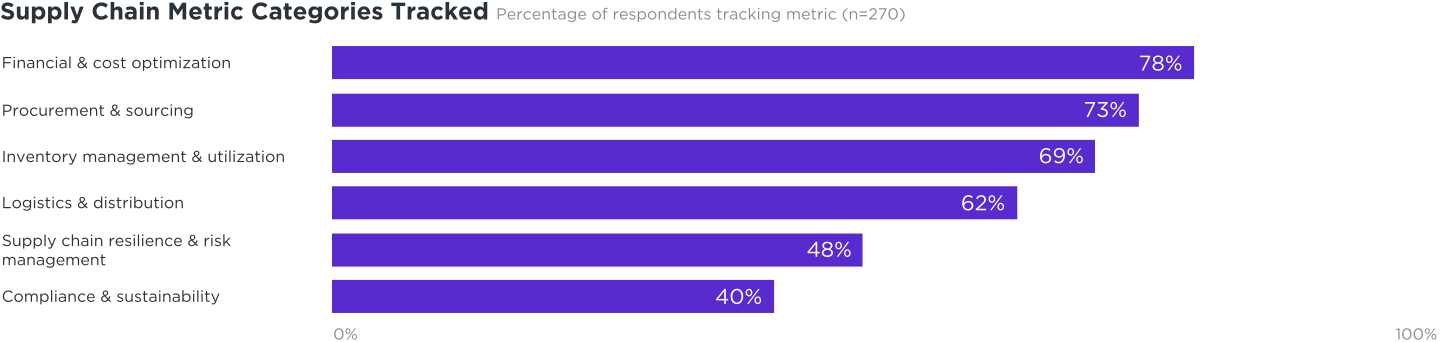
Most organizations now monitor a balanced set of supply chain metrics that extend beyond purchasing to include risk, sustainability, and performance. Financial and cost-optimization indicators are the most commonly tracked metrics, closely followed by procurement and inventory utilization metrics. The best performers treat supply chain data as a management discipline rather than a reporting task, linking it to clinical readiness and enterprise dashboards.
Predictive Analytics & Automation Are Redefining Supply Chain Resilience
Healthcare organizations are shifting from retrospective procurement tracking to predictive, analytics-driven operations. Nearly three-quarters of respondents report using predictive or automated replenishment, a significant increase from previous years. Leading organizations combine usage data, inventory levels, and external supply risk signals to forecast shortages before they happen. This evolution marks the move from logistics to strategy, as supply chain data points now feed enterprise dashboards alongside financial and clinical metrics. The difference between leaders and laggards lies in integration. Top performers automate purchase-order triggers and scenario models across facilities, while others still rely on manual thresholds or vendor updates. In 2025, true resilience comes from predicting disruptions before they occur rather than reacting after the fact.

Vendor Risk Management Has Matured into Continuous Monitoring, Not Annual Review
The pandemic prompted organizations to take a closer look at supplier reliability, and in 2025, that vigilance has become an ongoing discipline. Nearly 9 in 10 organizations now conduct structured risk assessments for critical suppliers, and more than half use automated scoring or continuous monitoring tools. High performers integrate these assessments into procurement and contract systems so they can act quickly when a vendor’s risk profile changes. The key difference is cadence. Continuous monitoring provides early warning and tighter compliance, while annual reviews leave long periods of vulnerability. Treating vendor risk as an active data stream rather than a periodic report is becoming a defining feature of mature supply-chain governance.

Integration Between Supply Chain, Financial & Clinical Data Streams Is Now the Hallmark of Administrative Excellence
PARAThe next level of maturity for healthcare operations is connecting supply, finance, and clinical systems. Organizations that integrate these functions achieve better cost control and sustainability results. About two-thirds have reached partial integration, while one-third report near-real-time synchronization. This alignment enables modeling that links supply availability directly to clinical demand, improving both readiness and financial accountability. By contrast, organizations that operate in silos rely on end-of-month reconciliations that obscure inefficiencies and delay response. The lesson is straightforward; modernization does not require more platforms but smarter connections among the systems already in place.GRAPH

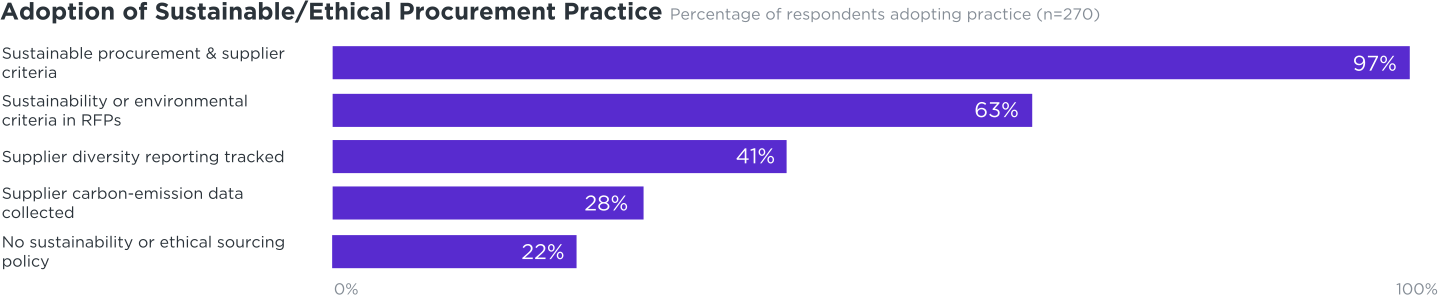
Sustainability & Ethical Sourcing Are Strategic, Not Symbolic, for Supply Chain High Performers
While 97% of healthcare organizations report having sustainable procurement policies, only 63% include sustainability or ethical criteria in supplier evaluations, and fewer than half track vendor emissions or diversity metrics, revealing a persistent gap between policy and practice. Leading organizations bridge this gap through digital visibility and integrated environment, social, and governance dashboards that connect procurement data to measurable outcomes (e.g., lower supply and energy costs, improved workforce retention, stronger community engagement). As regulatory, consumer, and investor pressures rise, sustainability is becoming as fundamental as cybersecurity compliance. With their purchasing power, health systems have a unique opportunity to drive more sustainable manufacturing and distribution while redefining supply chain value around both efficiency and responsibility.
Administration
Healthcare administration is becoming more digital, data driven, and connected. Automation is closing long-standing gaps in spend visibility, claims processing, and workforce management. Going forward, this allows organizations to turn manual back-office functions into strategic levers for efficiency and resilience. Financial and human-capital systems increasingly share the same analytic and AI foundations, helping organizations link cost control with employee experience. The most mature organizations pair automation with clear ROI tracking, showing that progress comes not just from new tools but from integrating them across contracting, revenue, and staffing workflows.
Automated Spend Analytics & Contract Life-Cycle Management Are Closing the Loop on Administration
Automation has expanded well beyond purchasing into spend analysis and contract management. Around 70% of organizations now use automated spend analytics tools, and more than half have implemented digital contract life-cycle management. These capabilities help leaders detect variance, enforce compliance, and forecast budget impact in real time. Smaller organizations are lagging, often relying on manual processes. Integrating contract management with spend analytics delivers measurable returns: it reduces rogue spending, speeds up audits, and improves transparency. Administrative activity is no longer about requisition paperwork but about predictive oversight that supports sound financial stewardship and resilience to disruption.

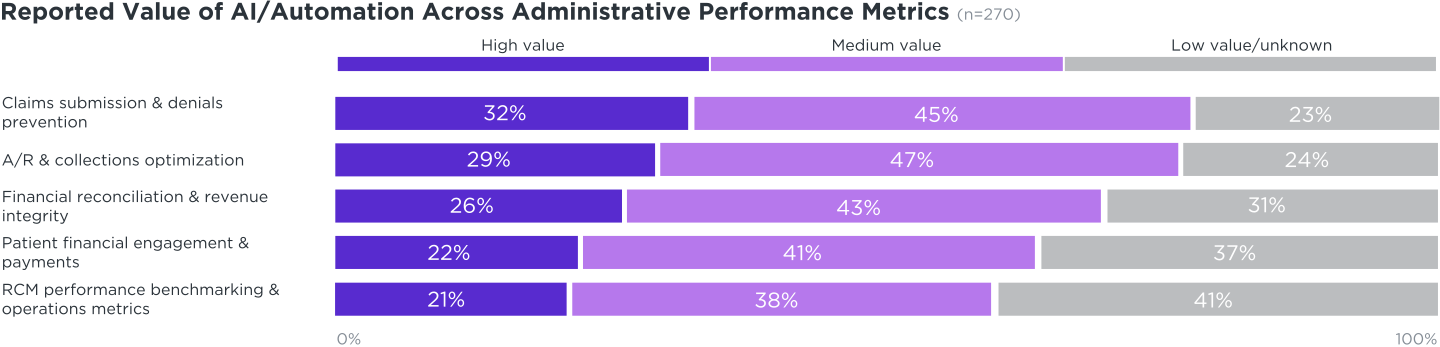
Early AI Gains Appear in Claims, Collections, & Denials Management
Healthcare organizations are beginning to see tangible financial impact from AI-enabled revenue-cycle tools. Roughly half report measurable improvement in denial prevention and claims processing, while many also note moderate progress in A/R and reconciliation performance. High-value returns remain limited to a smaller subset of mature adopters, suggesting that AI’s payoff follows depth of integration rather than scope of deployment. The clearest success stories occur where automation is directly tied to staff workflows and tracked as part of formal ROI measurement.
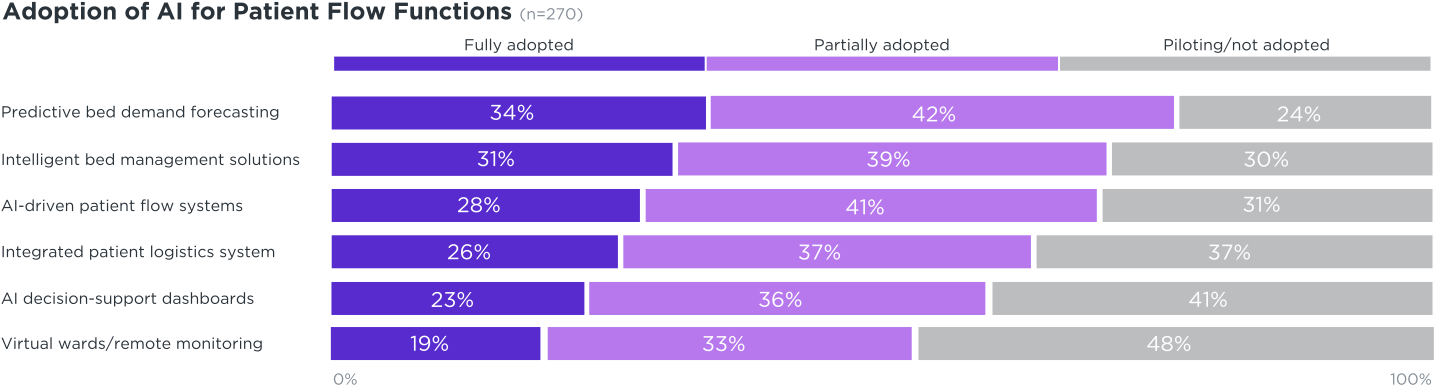
AI Adoption in Patient Flow Operations Is Expanding but Not Fully Adopted
Nearly two-thirds of organizations now use some form of analytics or AI for capacity and flow management, but full integration across all service lines remains rare. Predictive tools for bed demand forecasting and intelligent bed management solutions show the fastest uptake, while virtual ward and real-time dashboard capabilities lag behind. Leading healthcare organizations use these tools not only to track throughput but to anticipate surges and reduce length-of-stay bottlenecks. Broader adoption will depend on unifying these disparate pilots into enterprise-wide operational command centers.
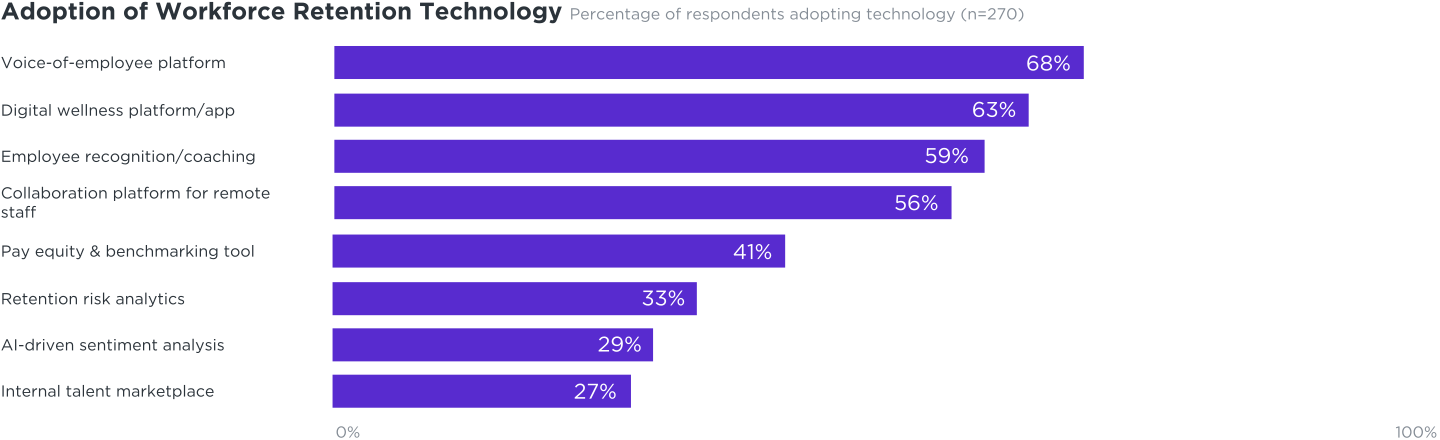
Workforce Retention Technology Focuses on Feedback & Well-Being More Than Prediction
Most organizations now use at least one digital tool to support retention, but adoption skews toward listening and wellness platforms rather than advanced analytics. Voice-of-employee systems and digital wellness apps are the most common, while predictive retention analytics and AI-driven sentiment analysis remain less common due to cost and data-integration barriers. The overall trend shows healthcare organizations emphasizing employee engagement and experience first, with predictive tools likely to follow as data systems mature.
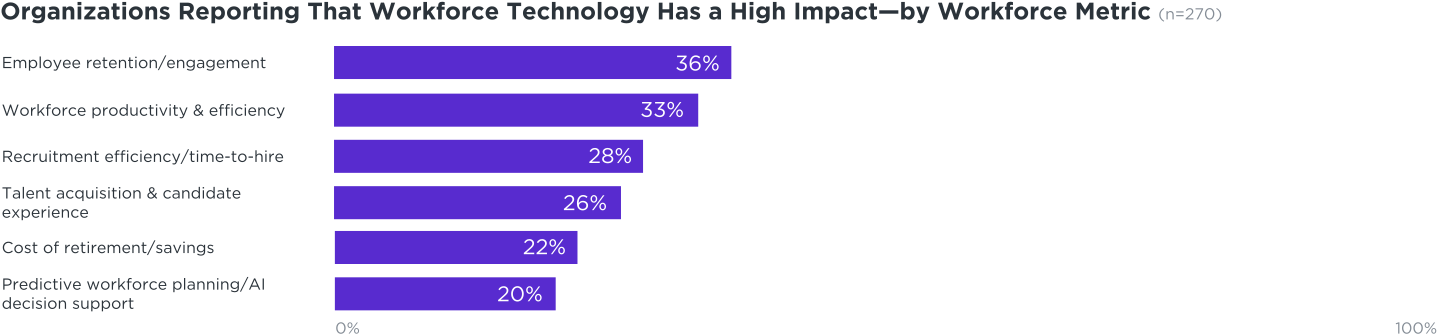
Workforce Technology ROI Shows Early but Meaningful Gains in Engagement & Efficiency
Roughly half of organizations report measurable improvement from workforce experience technologies, especially in retention, engagement, and administrative efficiency. Recruitment metrics show moderate impact, reflecting slow diffusion of automation into hiring workflows. Cost-savings measures lag behind perception gains, indicating that respondents are still in the early stages of quantifying financial returns. Organizations that formally evaluate ROI at the metric level—rather than through anecdotal feedback—tend to report the strongest and most sustained improvements.
Analytics & Data Management
In 2025, data strategy is shifting from collection to activation. Leading organizations with strong governance and modern architecture are embedding analytics directly into clinical and operational workflows. Adoption of advanced analytics and AI oversight still varies, so many organizations continue to use dashboards alongside early predictive tools. Interoperability advances such as FHIR and cloud-based data fabrics are speeding up real-world data exchange, enabling more sophisticated population health and model training. However, progress still depends on workforce capability and consistent measurement, which remain works in progress for many organizations.

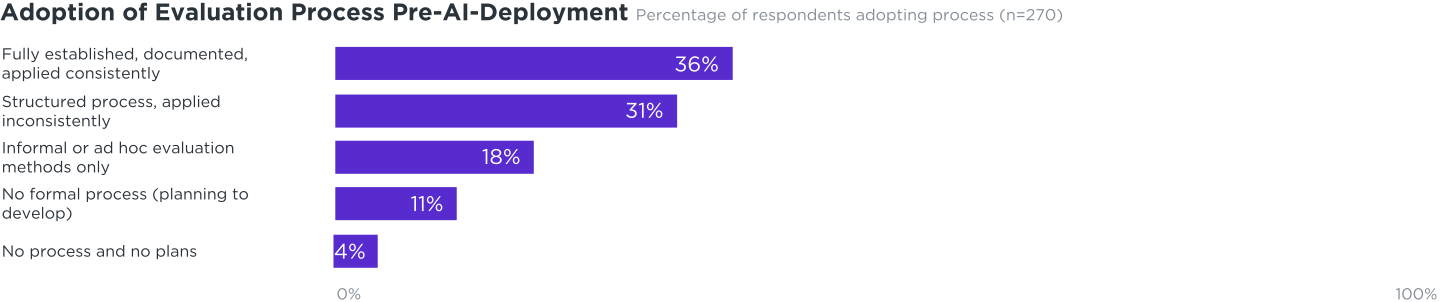
AI Governance Is Shifting from Policy to Practice, with Pre-Deployment Evaluation Becoming the New Baseline
Among organizations moving past pilot projects, the clearest sign of maturity is a structured, consistently applied AI evaluation framework before deployment. These reviews standardize risk assessment, validation testing, performance thresholds, bias and drift monitoring, resulting in improved user trust, reduced clinical risk, better user trust, and faster timelines from prototype to safe workflow integration. Where such processes are missing or informal, AI remains fragmented, and confidence from clinical and operational leaders erodes. Leading organizations treat AI evaluation with the same discipline as medication safety or security control: documented, auditable, and repeatable. A strong evaluation process not only ensures safety and equity but also generates insight, feeding lessons learned back into data quality, model design, and governance.
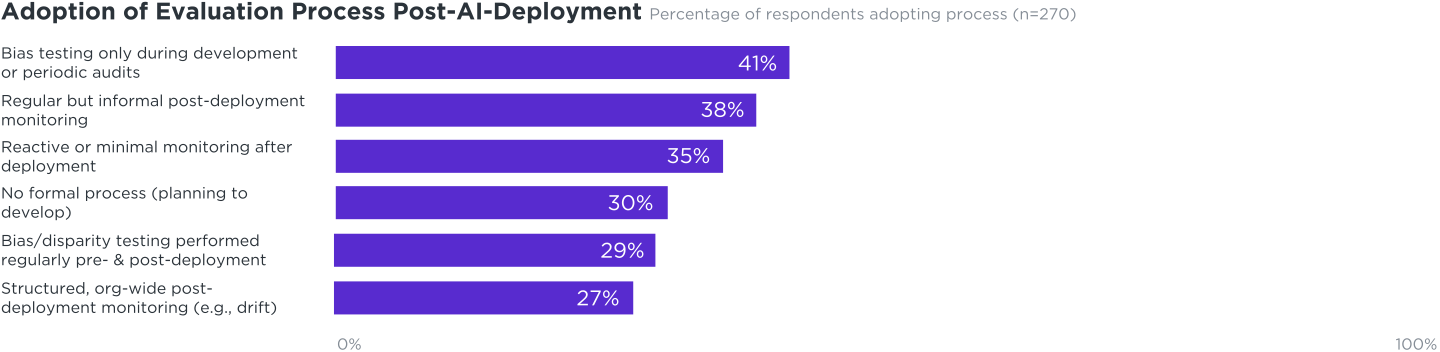
Ongoing Monitoring & Bias Testing Are the Frontier; Post-Deployment Discipline Differentiates Leaders
Nearly every health system now speaks about “responsible AI,” but the real measure of responsibility is what happens after models go live. Mature organizations monitor performance continuously, detect drift, conduct scheduled bias reviews, and gather user feedback. Few organizations are doing all of these consistently, but those that are report higher clinician trust and faster correction when data shifts. Effective monitoring starts with a clear playbook that defines ownership, cadence, and triggers for review. It also includes instrumentation for telemetry and a simple dashboard that keeps performance visible to both technical and clinical leaders. Without this visibility, models quietly degrade, and potential harm may go unnoticed. In 2025, high performing Level 10 organizations that sustain AI maturity are the ones managing models in production, not just building them.
Model Inventory Is Foundational; Organizations Can’t Govern What They Can’t See
As AI use expands across departments and vendors, maintaining a complete and current model inventory has become essential. A living registry that includes model lineage, versions, risk ratings, owners, and monitoring status prevents confusion and ensures accountability. It also enables faster response; when data shifts or vulnerabilities appear, teams can immediately see which models are affected. Organizations without this visibility waste time reconciling versions and debating ownership instead of improving performance and safety. A well-managed registry functions like a configuration management database for AI, providing a single source of truth for every clinical, operational, and administrative model in use.

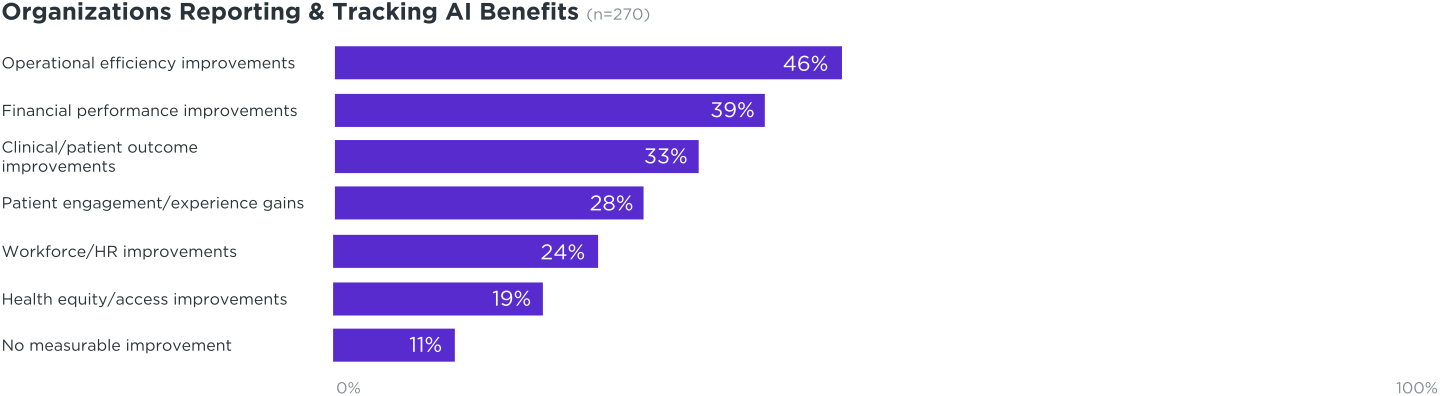
Benefits Tracking Clarifies ROI: Leaders Quantify Impact Across Clinical, Operational & Financial Outcomes
Dashboards are widespread, but benefits realization for analytics/AI still varies: many track adoption, but far fewer track outcomes. Maturing programs explicitly measure impact (e.g., readmissions, throughput, denial rates, staff hours saved) and report it routinely to executives. This does two things: (1) sustains funding by showing value beyond anecdotes and (2) guides portfolio pruning by redirecting resources from low-ROI models to proven winners. The story across the data set: the most commonly reported gains are operational efficiency and financial performance, followed by targeted clinical wins. Embedding benefits tracking into analytics governance transforms AI from a cost center to a performance flywheel.
The Next Lift Comes from Standard Safeguards & Workforce Skills
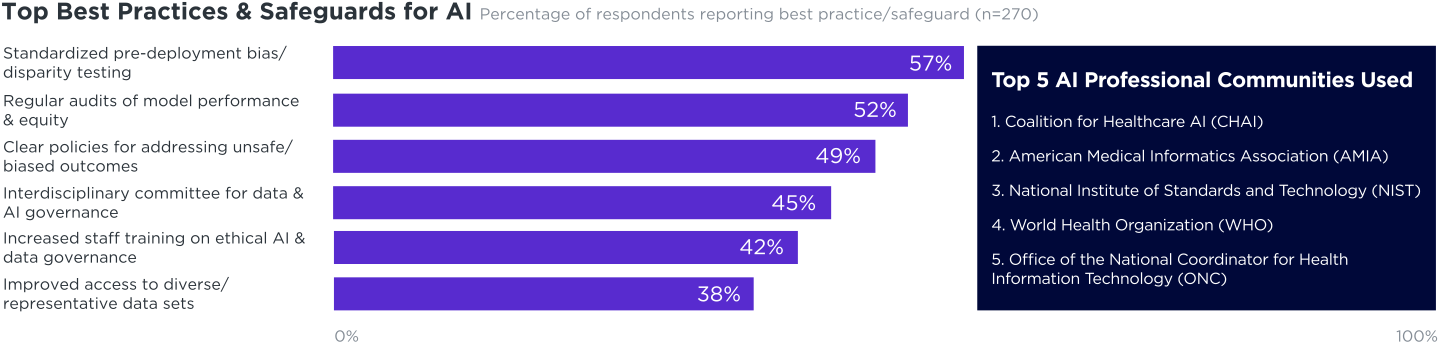
Even among advanced programs, the most common challenges involve standardization and workforce skills. Respondents identify several priorities for safer, more effective AI deployment: standardized bias testing, regular performance audits, clear remediation policies, better workflow integration, stronger interdisciplinary governance, more training, and broader access to diverse datasets to reduce bias. Participation in professional communities such as CHAI, AMIA, or NIST also correlates with faster progress, since these organizations turn external guidance into practical playbooks. For healthcare organizations, the next step in analytics maturity is clear—invest in people, processes, and shared standards as deliberately as you invest in technology.
Interoperability & Population Health
In 2025, interoperability is expanding beyond compliance and moving toward collaboration. More organizations are defining success by how well information improves care coordination, transitions, patient safety, and patient experience. Governance and technical exchange are largely in place, but embedding data into everyday workflows and population-level analytics still varies widely. The focus is shifting from basic system-to-system exchange to context-aware interoperability, where information supports clinical intent rather than regulatory checklists. Leading healthcare organizations are combining payer, public health, and community data into a longitudinal patient view and beginning to use real-time insights for care management and quality improvement.

Interoperability Is Evolving Beyond Compliance to Clinical Impact
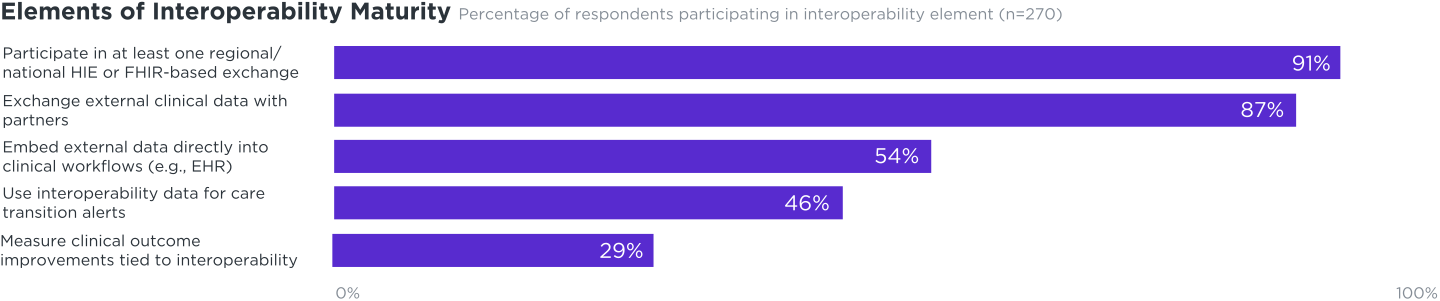
Interoperability has entered a new phase where the goal is no longer just connectivity. Most organizations now meet the technical and regulatory standards for data exchange, but leaders distinguish themselves by using that data to improve care coordination and outcomes. Survey results show that nearly all respondents participate in at least one HIE or FHIR-based exchange, yet only about half have integrated external data directly into clinical workflows, where it can influence care decisions. The highest performers measure success by usefulness, not just by access. They focus on whether clinicians trust externally sourced data to guide decisions, reduce redundant testing, and prevent medication errors. This evolution has made semantic interoperability a cornerstone of patient safety and a widespread user expectation.
Real-Time Data Sharing with Community & Public Health Partners is Accelerating Even as Consistency Remains a Challenge
Data exchange beyond provider-to-provider connections is accelerating. Nearly three-quarters of organizations report active data sharing with public health agencies or community partners, but quality and timeliness still vary. While most can transmit data electronically, fewer can receive and act on bidirectional updates such as lab results, immunization records, or social determinant information. Digital leaders have invested in FHIR APIs and cloud-based data hubs that have enabled these exchanges to become routine process rather than a barrier to sharing information to improve care communications. The result is a growing ecosystem of networks where information generated in one domain, like public health surveillance, informs care management decisions in another. The next challenge will be standardizing payloads and aligning consent models so data can move efficiently across healthcare organizations and security can be maintained as more risk points are introduced via additional integrations and connectivity.

Longitudinal Patient Views Are Becoming the Cornerstone of Population Health Analytics
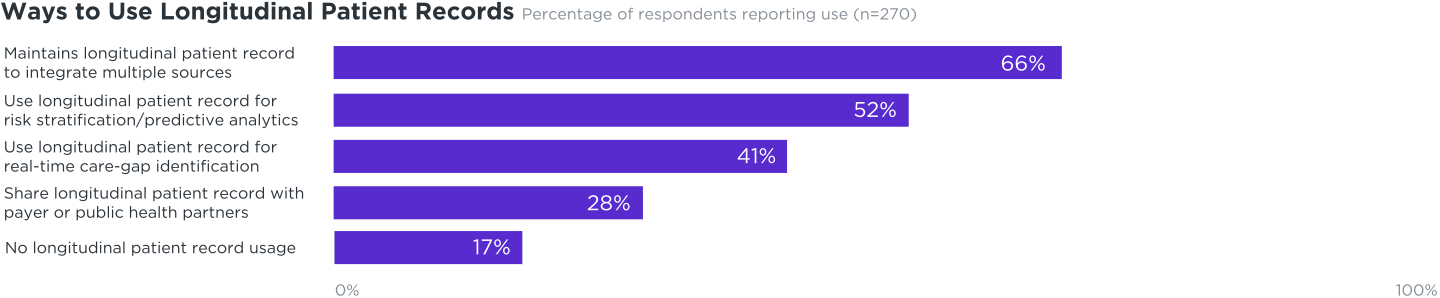
Population health programs are maturing from data aggregation to active use. About two-thirds of organizations maintain a longitudinal patient record that combines information from EHRs, payers, community sources, and devices. Of those, roughly half use the data to drive real-time risk stratification and care-gap analytics. The difference between leading and trailing organizations lies in how well those insights flow back into daily workflows for care management and quality improvement. A unified longitudinal view supports predictive modeling, outreach, and decision support across the continuum of care. This capability is a critical success factor of value-based care programs. The next stage of maturity will extend interoperability between these longitudinal records to enable regional and cross-organization analytics.
Governance & Data Quality, Not Just Connectivity, Drive Interoperability Success
Almost nine in ten organizations have some form of data governance, but only about a third apply those standards to information received from outside partners. Without shared validation, imported data can be incomplete or inaccurate, which erodes clinician trust. High-performing organizations address this through joint governance committees with exchange partners and by applying automated quality checks to incoming data. Governance maturity is often an invisible driver of interoperability success because it ensures shared data is reliable and ready to use. As information exchange grows, governance must shift from control to collaboration, aligning policies, validation rules, and stewardship across entire ecosystems.

Real-World Data Integration Enables Population Health Agility; Workforce & Analytics Maturity Limits Scale
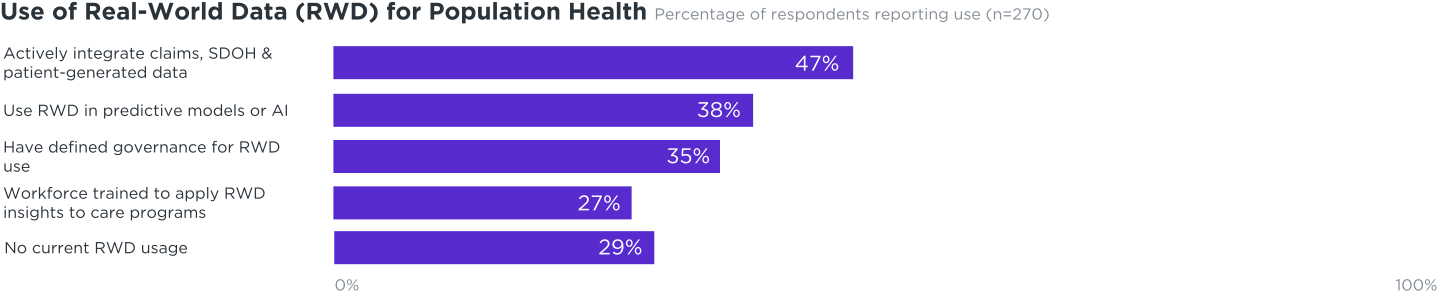
As interoperability platforms mature, population-health teams are beginning to incorporate real-world data such as claims, patient-generated inputs, and social-determinant information into their analytics. Yet only about 40% of organizations have established models or governance frameworks for using this data in AI or predictive modeling. Even fewer have trained staff who can interpret and apply the results at scale. Leading organizations are creating data activation teams that combine clinical, analytical, and operational expertise to turn real-world data into actionable insight. The infrastructure for this already exists, but success depends on workforce readiness and the ability to translate data into meaningful action.
Patient Engagement
Patient engagement is a leading indicator of digital maturity. Top healthcare organizations pair strong governance with workflow-embedded technology and mature virtual care programs. However, many organizations still lack the ability to track ROI for metrics like no shows, care-gap closures, and completion of patient-reported experience measures (PREMs) and patient-reported outcome measures (PROMs). High-performing organizations differentiate themselves by demonstrating the measurable value of patient engagement. Digital access also remains inconsistent for rural, low-income, low-literacy, and non-English-speaking populations. The next phase of patient engagement will involve moving beyond deploying features to creating personalized, measurable patient journeys.
Governance Is the Strongest Driver of Patient Engagement Maturity
In 2025, the key differentiator for patient engagement success is not which tools an organization has but how they manage those tools. Organizations with a formal governance structure (including cross-functional committees, clear ownership, and measurable KPIs) outperform others by wide margins in terms of user adoption, utilization, and satisfaction. Governance prevents programs from becoming siloed under individual departments or vendors. Further, it brings together patient access, marketing, clinical operations, and IT teams, aligning them on shared goals such as secure messaging response times and reduced no-show rates. When governance is absent, even the most capable technology underdelivers because workflows, measurement, and accountability are inconsistent. Digital engagement is an organizational skill, not a feature; healthcare leaders should treat it the way they treat clinical quality—through a governed, and continuously improving approach.

Workflow-Embedded Tools, Not Just Portals, Define Patient Engagement Leaders
Data exchange beyond provider-to-provider connections is accelerating. Nearly three-quarters of healthcare organizations report active data sharing with public health agencies and community partners, but the quality and timeliness of data sharing still vary. While most organizations can transmit data electronically, fewer can receive and act on bidirectional updates (e.g., lab results, immunization records, SDOH information). To address this challenge, digital leaders have invested in FHIR APIs and cloud-based data hubs to enable data exchange to become a routine process rather than a barrier to improved care communications. As a result, there is a growing ecosystem of networks, enabling information generated in one domain (e.g., public health surveillance) to inform care management decisions in another area. The next challenge of data sharing will be standardizing payloads and aligning consent models so that data can move efficiently across healthcare organizations. Additionally, security needs to be maintained as new integrations and connections introduce more risk points.
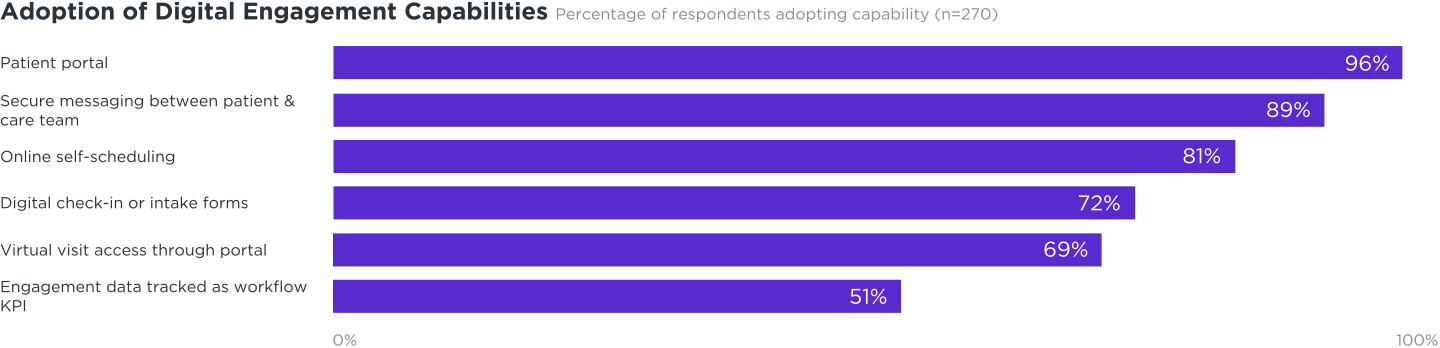
Digital Equity & Access Gaps Persist Across Literacy, Language & Age
Even as adoption of digital engagement tools continues to rise, accessibility gaps limit the full impact of engagement efforts. About half of healthcare organizations have implemented some form of language or accessibility support in their portals and apps, but far fewer analyze patient engagement data by factors like literacy, income, or age. As a result, digital tools are not equally usable. Leading organizations use analytics to identify disparities in digital equity by tracking logins, message response rates, and virtual-visit completion across patient population segments. These organizations then adapt their communication and technology strategies (e.g., simpler language, multilingual support, easier authentication) to close those gaps and remove potential barriers. The next phase of maturity will center on inclusive design and measurable equity outcomes. Organizations need to ensure that digital engagement works for all patient populations, not just those that are comfortable with technology.
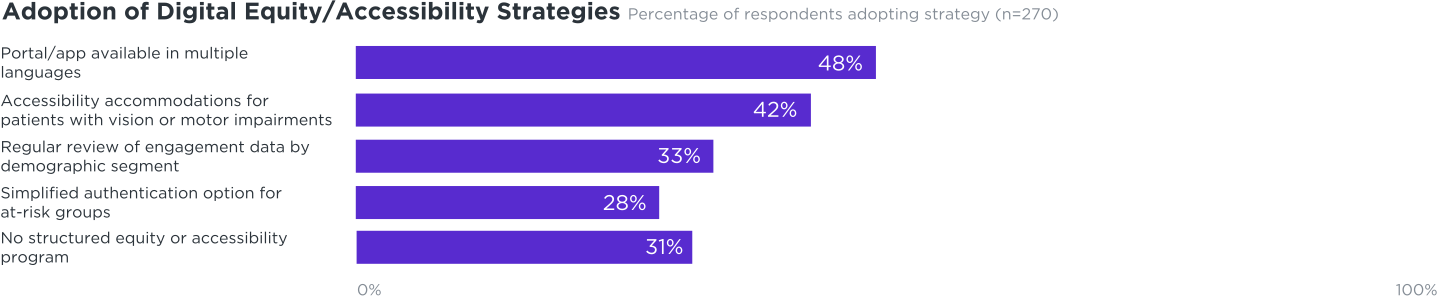
Measurement of Real-World Impact Is the Missing Link Between Engagement & Outcomes
Nearly every health system measures adoption indicators such as patient logins and enrollments. High-performing organizations measure note only these indicators but also the outcomes of patient engagement efforts. Data shows that only one in three healthcare organizations track metrics like no-show reduction, chronic-condition follow-up, or improved PREM/PROM completion. Without metric tracking, patient engagement will remain an activity rather than a driver of improvement. Leading healthcare organizations approach patient engagement like any other performance domain, making sure that it is measurable, reportable, and tied to ROI. They combine data from the EHR, scheduling, and CRM systems to show clear links between digital interactions, quality outcomes, and efficiency gains. Doing so closes the feedback loop, validates investment decisions, and helps leadership boards and payer organizations see patient engagement as a measurable contributor to care delivery success.
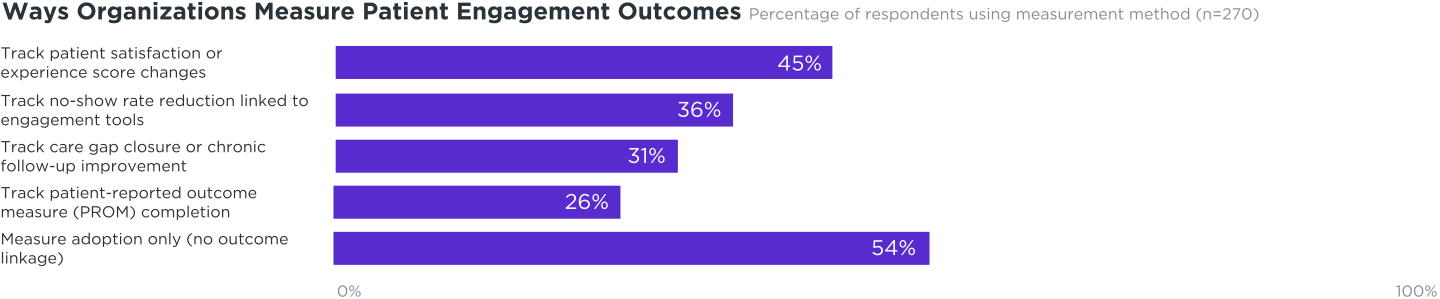
EHR Integration with Virtual Care & Remote Patient Monitoring Drives Higher Engagement & Care Continuity
Virtual care maturity continues to drive higher patient engagement. About 70% of healthcare organizations now integrate telehealth or remote patient monitoring data directly into the EHR, and these organizations report higher message volumes, more portal logins, and stronger post-visit follow-up. Virtual options keep patients connected between visits, particularly for chronic condition management. Despite these benefits, about 25% of organizations still operate virtual care on separate platforms, creating the potential for fragmentation and gaps in continuity. The future of patient engagement will be hybrid—connecting in-person care, digital follow-up, and remote monitoring into one seamless experience. When virtual care is fully integrated, it becomes not just a convenience but an essential part of ongoing patient management.

Clinical Quality & Safety
Clinical quality oversight continues to mature. Governance is nearly universal, but execution gaps persist in workflow integration and medication safety. Over half of healthcare organizations have clinical governance and EHR oversight structures, but integration varies between 55% and 75%, showing uneven process adoption. Medication management and digital stewardship are key differentiators. Organizations with closed-loop medication administration report stronger safety and efficiency. Increasingly, they track barcode medication administration (BCMA) compliance at the staff level with real-time dashboards to monitor scan rates, identify barriers, and prevent errors. Compliance tracking has shifted from retrospective reviews to continuous improvement, linking BCMA adherence directly to improved clinical performance and patient safety.

Clinical Governance Is Nearly Universal, But Variation in Workflow Integration Limits Impact
Clinical quality oversight continues to expand, with more than three-quarters of healthcare organizations reporting formal digital governance structures. However, only about two-thirds have achieved consistent workflow integration across all care sites. This means that while governance policies and committees exist, execution often depends on local leadership and may falter through variable adherence. High-performing organizations connect governance directly to daily workflows by embedding digital quality checkpoints into routine care rather than relying on retrospective reviews. Inconsistent integration can create gaps in documentation, alerts, and safety-event detection. The next step for most organizations is to move from policy to practice—building governance and quality processes into the EHR and creating automated feedback loops between quality teams and frontline clinicians.

Closed-Loop Medication Administration Has Become the Key Differentiator in Safety Performance
Closed-loop medication management—which links computerized order entry, pharmacy verification, BCMA, and EHR documentation—has become one of the strongest indicators of clinical safety and efficiency. Nearly all organizations have implemented BCMA, but only about two-thirds have achieved full closed-loop integration where every step is verified electronically. The performance gap is substantial. Healthcare organizations with closed-loop processes report fewer adverse drug events, higher nurse satisfaction, and faster medication reconciliation. Real-time BCMA dashboards and automated alerts are transforming medication safety from a retrospective audit compliance function into an active management process. As more organizations connect BCMA adherence to clinical performance metrics, medication accuracy has become a leading sign of clinical safety maturity.
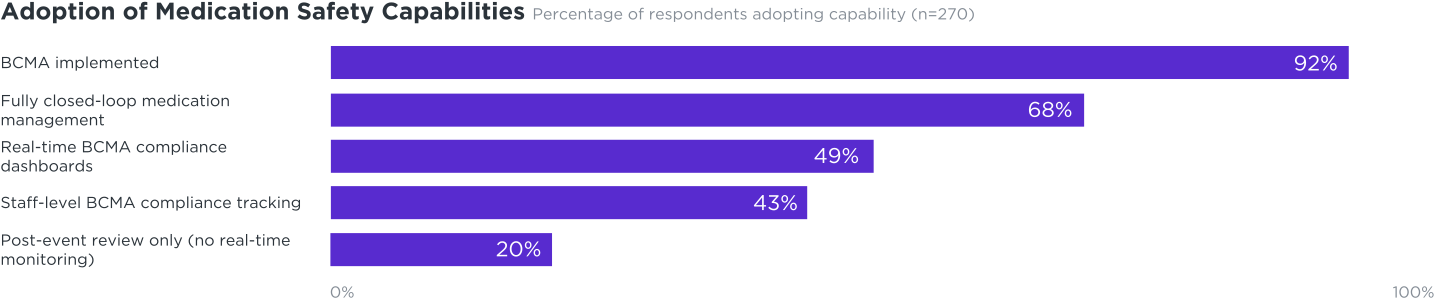
Real-Time BCMA Monitoring Links Directly to Better Safety & Staff Performance
The move from periodic BCMA audits to real-time monitoring is reshaping safety culture. About half of healthcare organizations now use real-time dashboards that display scanning compliance by unit or by clinician. This gives organizations access to immediate feedback and enables them to quickly intervene when compliance drops. Organizations that track BCMA adherence daily or weekly are seeing significant improvements in scan rates and fewer medication errors. The most advanced programs include BCMA metrics in nursing performance dashboards, which reinforces accountability and highlights success. This closed feedback loop—visibility, timely response, and measurable improvement—shows how digital maturity directly translates into safer care. Additionally, it improves workforce experience through safety support mechanisms, particularly for early career and newly graduated staff.

AI & Clinical Decision Support Tools Are Expanding, Governance Lags Behind Deployment
AI and advanced tools for clinical decision support (CDS) are becoming integral to care delivery, particularly in areas like radiology, sepsis detection, and medication management. Roughly two-thirds of healthcare organizations now use at least one AI-driven CDS tool, but fewer than half have formal governance processes for validation, bias testing, or performance tracking. Without oversight, alert fatigue and inconsistent model accuracy can erode clinician trust. High-performing organizations have established clinical AI review boards that evaluate model performance, false-positive rates, and user feedback on a regular basis. The defining factor in 2025 is not AI access but an integrated culture of disciplined governance that ensures these tools truly enhance safety and reliability, are trustworthy, and are deployed ethically.

Prevention Before Intervention: Quality Event Surveillance Is Becoming Proactive Through Automation & AI
The use of digital surveillance tools to detect potential adverse events such as sepsis, falls, or healthcare-associated infections has increased dramatically. About 70% of healthcare organizations—an increase from about 50% in 2023—now use automated surveillance or AI-assisted analytics to identify risks in real time. This shift is transforming quality oversight from reporting incidents after the fact to preventing them before they occur. Highly mature healthcare organizations integrate surveillance alerts directly into EHR workflows so that clinicians can act without leaving their primary systems. These same data streams feed predictive safety dashboards, allowing teams to anticipate risk rather than react to harm. Digital surveillance represents the growing intersection of analytics and clinical quality, providing a differentiator of continuous, proactive safety management.

Innovation & Emerging Technology
In 2025, innovation in healthcare is defined by measurable impact rather than experimentation. Digital health leaders are focusing on scalable pilots, diagnostic AI, workflow automation, and augmented reality for training. The industry has entered the post-hype phase, where new technologies are evaluated for business value, user adoption, and ROI. The priority is to build innovation pipelines that align directly with strategy, supported by rapid iteration and cross-functional governance that sustain long-term progress.
Innovation Programs Are Shifting from Pilots to Portfolios with Measurable ROI
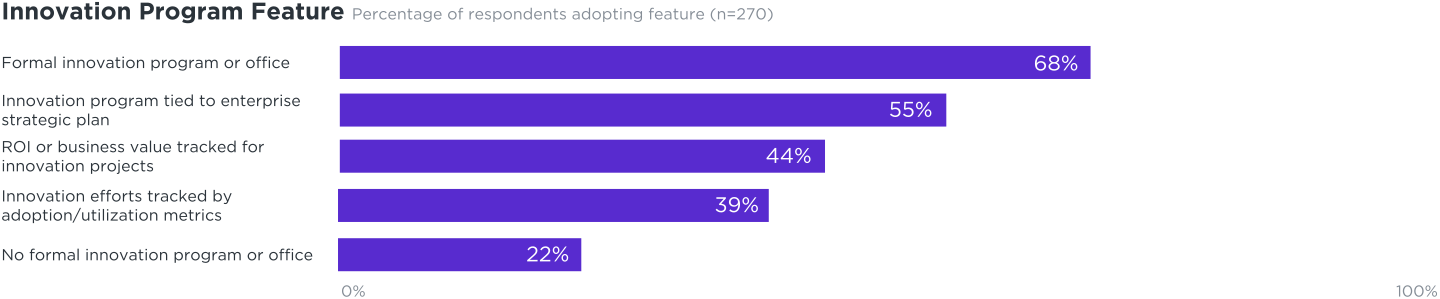
The era of “innovation theater” is coming to an end. Healthcare organizations are now prioritizing programs that tie directly to enterprise goals and measurable outcomes. About two-thirds of organizations have formal innovation programs, but fewer than half track ROI and/or adoption metrics. The most mature organizations manage innovation like a portfolio, requiring business cases, success metrics, and clear criteria for scaling or ending pilots. This disciplined approach to innovation governance accelerates learning and prevents resources from scattering across low-impact projects. Instead of one-off experiments, healthcare leaders maintain a steady pipeline of initiatives aligned with operational and clinical priorities. Sustainable innovation investment now depends on governance, measurement, and the ability to prove results.
AI for Diagnostic & Clinical Support is Gaining Traction, Accelerated by Governance & Validation
Nearly three-quarters of healthcare organizations have deployed or piloted at least one AI-based diagnostic or clinical support tool, with the highest adoption in radiology, pathology, and patient monitoring. However, just over one-third of organizations conduct structured validation or bias testing before deployment. This data point demonstrates a widening gap between AI early adopters and AI leaders. Advanced organizations are building formal validation processes that include peer review, governance oversight, and post-deployment monitoring, while others still rely on ad hoc testing. The new standard for maturity is not whether AI is used but whether it is governed, validated, and trusted. Healthcare organizations have shifted from being enthusiastic about AI’s potential to being accountable for its real-world performance.

Automation Is Moving from Back-Office Pilots to Enterprise-Scale Operations
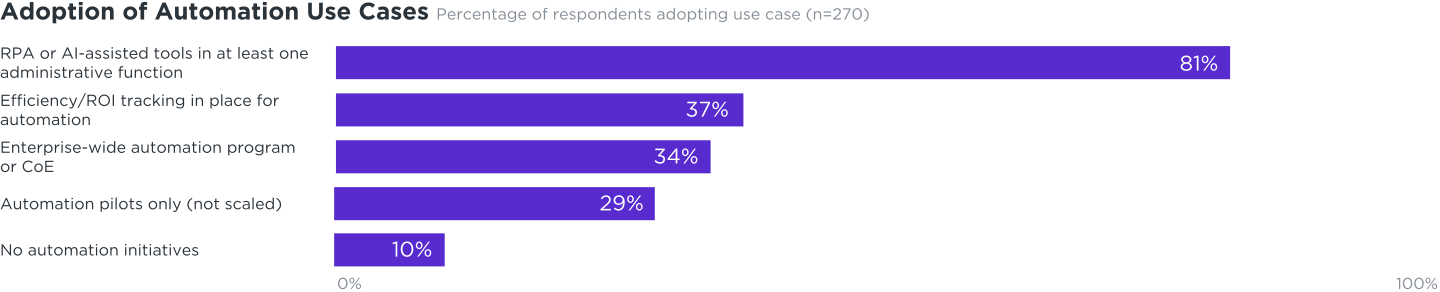
Automation has become widespread in healthcare—81% of organizations (a sharp increase from previous years) now use robotic process automation or AI-assisted tools for administrative tasks such as scheduling, billing, and human resources. However, only one-third of organizations have scaled automation across departments or tied it to measurable efficiency outcomes. Leading organizations have created automation centers of excellence to standardize governance, integration, and performance metrics. These teams track hours saved, reductions in errors, and labor redeployment to demonstrate tangible results. The distinction between isolated automation projects and enterprise automation is measurement. When efficiency gains are quantified and tied to strategy, automation becomes a lever for transformation rather than a collection of disconnected tools.
Emerging Technologies Are Entering the Measurable Impact Phase; Augmented/Virtual Reality & Digital Twins Lead Training & Simulation
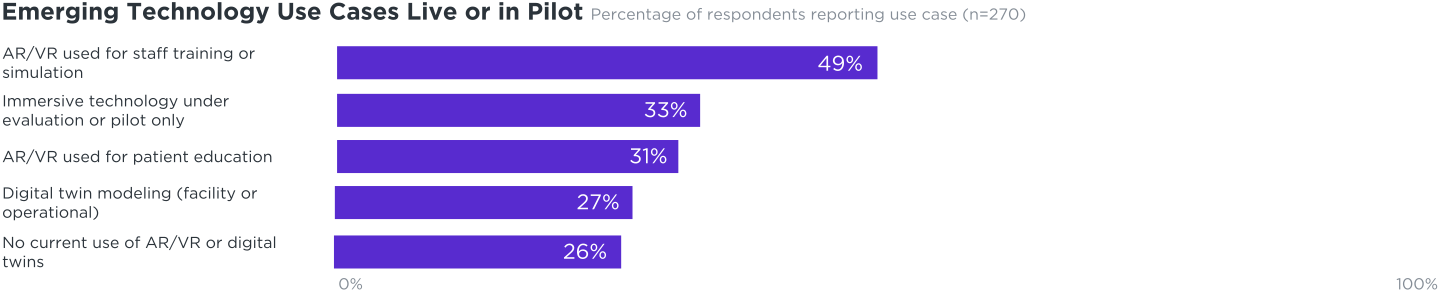
Augmented reality (AR) and virtual reality (VR), along with digital twin modeling, are moving beyond pilot stages. About half of healthcare organizations are now using or testing these technologies for clinical training, patient education, or operational simulation. What separates high-performing organizations from others is how well they integrate these technologies into workforce development and safety programs. AR-based simulations are being tied to credentialing, competency assessments, and emergency drills. Digital twins are being used to model workflows, optimize space utilization, and improve readiness for disruption. Adoption is not yet universal, but the focus has clearly shifted from novelty to measurable results. The mark of success is being able to demonstrate clear, documented improvements stemming from these tools.
Innovation Governance & Cross-Functional Collaboration Are the Engines of Scalability
Innovation thrives when governance and culture reinforce each other. Organizations reporting the highest innovation maturity share two key traits: cross-functional innovation committees and standardized evaluation frameworks. These stakeholder groups (typically representing IT, clinical, operations, and finance teams) define criteria for selecting and funding pilots and scaling successful projects. Almost 60% of healthcare organizations have such structures, but only 41% review outcomes regularly or incorporate findings into strategic planning. High-performing organizations make innovation a continuous, measurable process where ideas flow through defined checkpoints and feedback cycles. Strong governance has become a strategic differentiator, turning creative exploration into a scalable system for learning, improvement, and competitive advantage.

Conclusion: Turning Maturity into Momentum
The 2025 Digital Health Most Wired results make one truth clear: the future of healthcare will be defined not by who has the most technology but by who uses it most effectively. The highest performers pair governance, integration, and accountability to turn data into insight and insight into measurable outcomes.
Digital maturity has evolved beyond adoption and is now about activation. Governance, data quality, and empowered people are now the core enablers of safe, equitable, and resilient care. Progress requires structure, transparency, and a relentless focus on outcomes, treating digital performance with the same rigor as clinical quality.
AI and automation can help accelerate transformation, but only when built on trusted data and governed processes. The next phase of leadership belongs to organizations that combine innovation with integrity by deploying technology responsibly to improve safety, efficiency, and experience for patients and healthcare staff alike.
Digital maturity is a movement, not just a benchmark, where intent meets execution. CHIME member organizations are leading this movement by making digital performance a core discipline, investing in people as intentionally as technology, and aligning strategy with value and measurable outcomes.

About CHIME
The College of Healthcare Information Management Executives (CHIME) is an executive organization dedicated to serving chief information officers (CIOs), chief medical information officers (CMIOs), chief nursing information officers (CNIOs), chief innovation officers (CIOs), chief digital officers (CDOs), and other senior healthcare IT leaders. With more than 5,000 members in 58 countries and 2 US territories and over 190 healthcare IT business partners and professional services firms, CHIME and its three associations provide a highly interactive, trusted environment that enables senior professional and industry leaders to collaborate, exchange best practices, address professional development needs, and advocate for the effective use of information management to improve health and care in the communities they serve. For more information, please visit chimecentral.org.

About Digital Health Analytics
Digital Health Analytics (DHA) is a global market intelligence and survey research hub for digital health technology. Provided by the College of Healthcare Information Management Executives (CHIME), DHA was created in 2022 to supercharge organizations’ digital health transformation capabilities by moving from a one-snapshot-in-time, static Most Wired survey to a 365/24/7 data and analytics resource. DHA is the gateway for provider organizations and companies to better understand how digital technology supports leaders in transforming health and care and delivering data insights that help them make the greatest business impact possible. For more information, please visit dhanalytics.org.

About KLAS Research
Established in 1996, KLAS Research provides accurate, honest, and impartial insights for the healthcare IT (HIT) industry. Our mission is to improve the world’s healthcare by amplifying the voice of providers and payers. The scope of our research is constantly expanding to best fit market needs as technology becomes increasingly sophisticated. KLAS finds the hard-to-get HIT data by building strong relationships with our payer and provider friends in the industry. Visit klasresearch.com for more information.

Writer
Natalie Hopkins

Designer
Jess Wallace-Simpson

Project Manager
Joel Sanchez
This material is copyrighted. Any organization gaining unauthorized access to this report will be liable to compensate KLAS for the full retail price. Please see the KLAS DATA USE POLICY for information regarding use of this report. © 2026 KLAS Research, LLC. All Rights Reserved. NOTE: Performance scores may change significantly when including newly interviewed provider organizations, especially when added to a smaller sample size like in emerging markets with a small number of live clients. The findings presented are not meant to be conclusive data for an entire client base.