KLAS Contact

Contact KLAS
Contact KLAS
 2026 BEST IN KLAS
Preferences
Related Series
Related Segments

Global (Non-US) Patient Engagement 2024
Regional Trends and Investment Energy

Author
Everton Santos

Author
Jonathan Christensen
KLAS’ 2023 Global (Non-US) Healthcare IT Trends report found that investment in digital health is among healthcare organizations’ top three priorities across global regions. Patient engagement, alongside virtual visit technology and remote patient monitoring, is one of the key pillars of digital health. For this report, KLAS interviewed healthcare leaders from 155 organizations across 39 countries and territories around the world, and these leaders shared their current and future patient engagement priorities, their adoption of various patient engagement technologies, and what vendors they are using or considering.
Top Global Priorities: Patient Health Information Transparency and Patient Access to Care
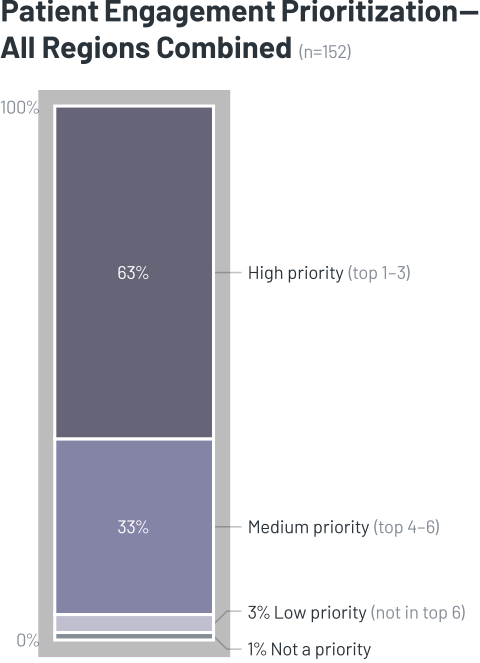
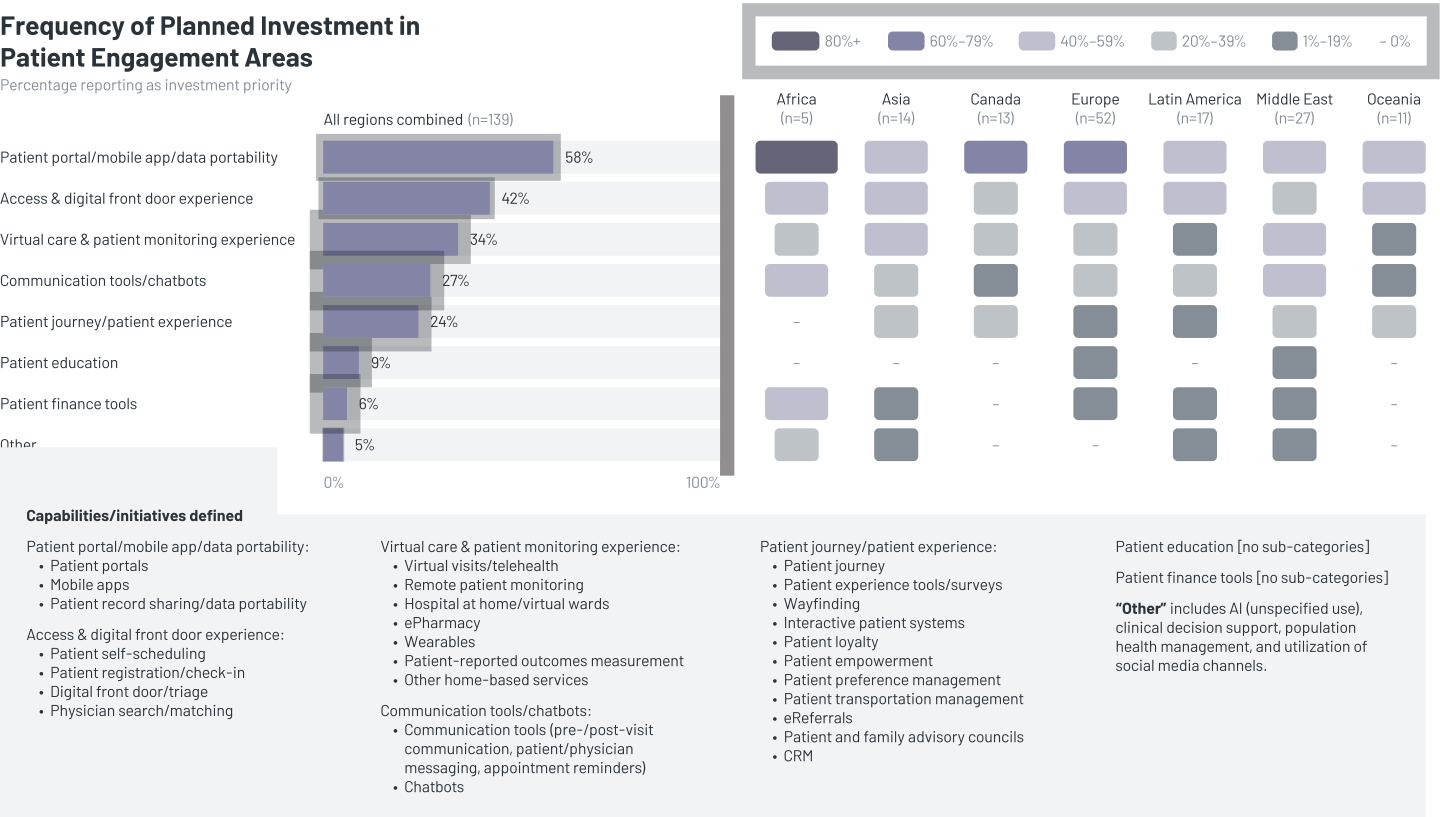
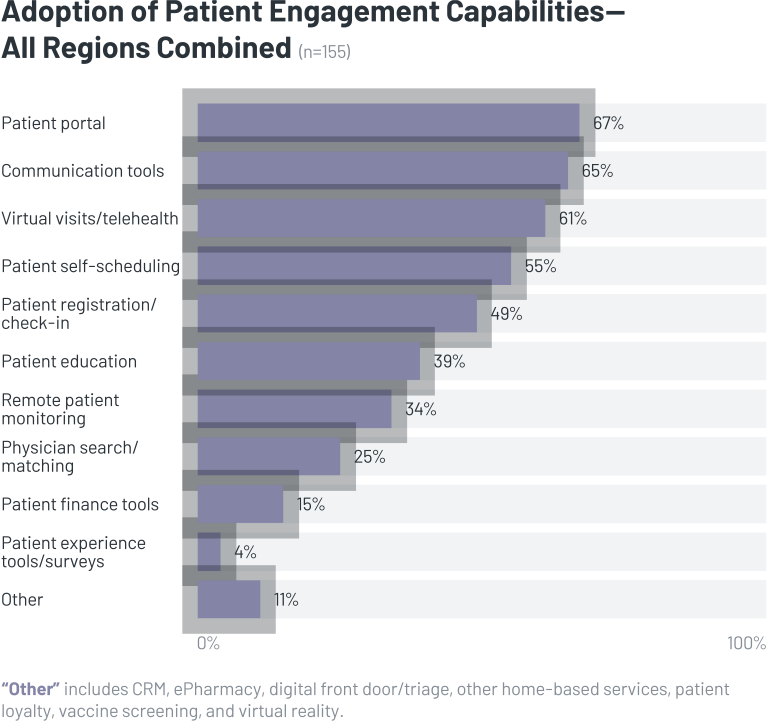
Global healthcare providers’ top priority regarding patient engagement is making health information available to patients. Much of this will be accomplished through standard patient portals, though one-quarter of initiatives to improve data access include a mobile app. (Initiatives focused on patient portals or apps are much more common outside the US, as adoption of this foundational technology continues to evolve.) Efforts range from more-limited initiatives—sharing lab or radiology results—to broader initiatives aimed at giving patients more comprehensive access to their care records—care summaries, discharge notes, and appointment information. Two-thirds of interviewed organizations already have a portal in place, so their go-forward plans are focused on expanding the information currently provided through the portal. About 10% of organizations (mostly in Europe) indicate their efforts include patient data portability through mobile or national EHRs.
Another major priority is giving patients easier access to their healthcare providers, especially in (but not limited to) regions where publicly funded healthcare is less common, like Asia, Latin America, and Oceania. These efforts are most often focused on easier patient self-scheduling, and a smaller percentage of organizations are turning to patient registration/check-in and digital front door technologies. Organizations in the Middle East report the most extensive, multi-faceted patient engagement plans. These include efforts connecting portals/apps into broader patient journey initiatives—healthcare leaders describe trying to meet patients where they are through more comprehensive communication methods and more virtual care options.
Current State: Many Patient Engagement Strategies Still in Early Stages, Leveraging Numerous Solutions Including the EHR
Patient portals see the highest adoption, though this area also has the most go-forward focus for investment—many organizations are working to mature their offerings for patients. Patient access to care is also being prioritized, and relatively few organizations have robust offerings for supportive technologies like patient self-scheduling and patient registration/check-in. While about half of organizations offer a tool for appointment management, most offer self-scheduling for only a small portion of their overall services and for fairly self-contained areas, such as mammography or other radiology exams. Generally speaking, countries and regions with a higher prevalence of self-pay or private insurance clients (e.g., Asia, Latin America, the Middle East) have adopted patient self-scheduling and registration/check-in technology to stand out from the competition. There is less adoption in countries and regions with more nationalized healthcare (e.g., Europe, Canada, Oceania). Patient engagement tools that are more mature—meaning they have relatively high adoption and lower go-forward focus—include communication tools and virtual care/patient monitoring tools. Many organizations are working to enhance their other offerings to bring them in line with the various telehealth services that were put in place in response to the COVID-19 pandemic.
Microsoft, WhatsApp, Patients Know Best the Most Frequently Mentioned Third-Party Vendors; Epic, Philips, InterSystems, and Oracle Health Are EHR Vendors Most Often Leveraged
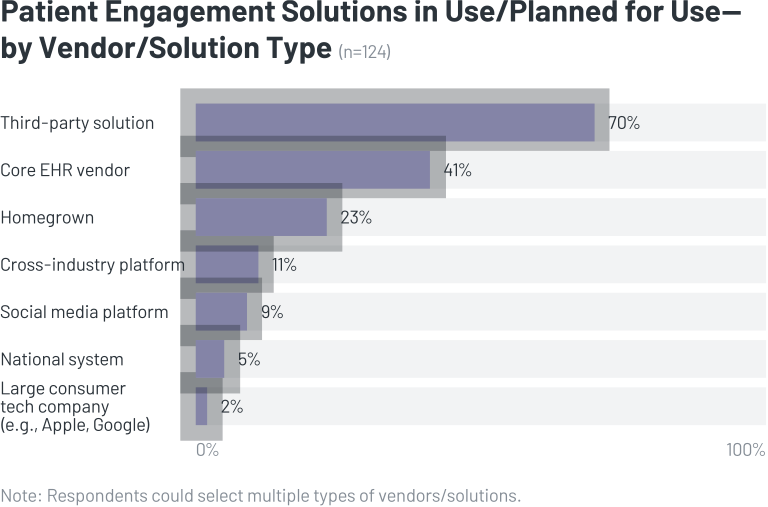
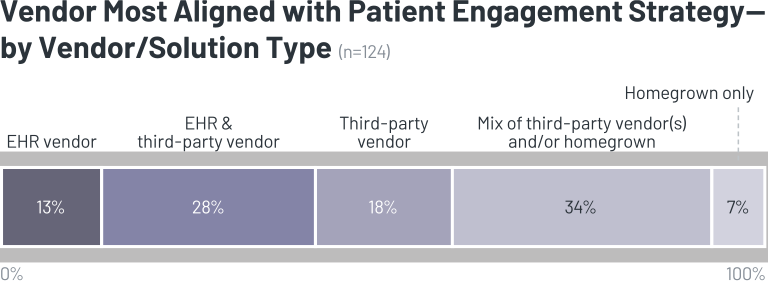
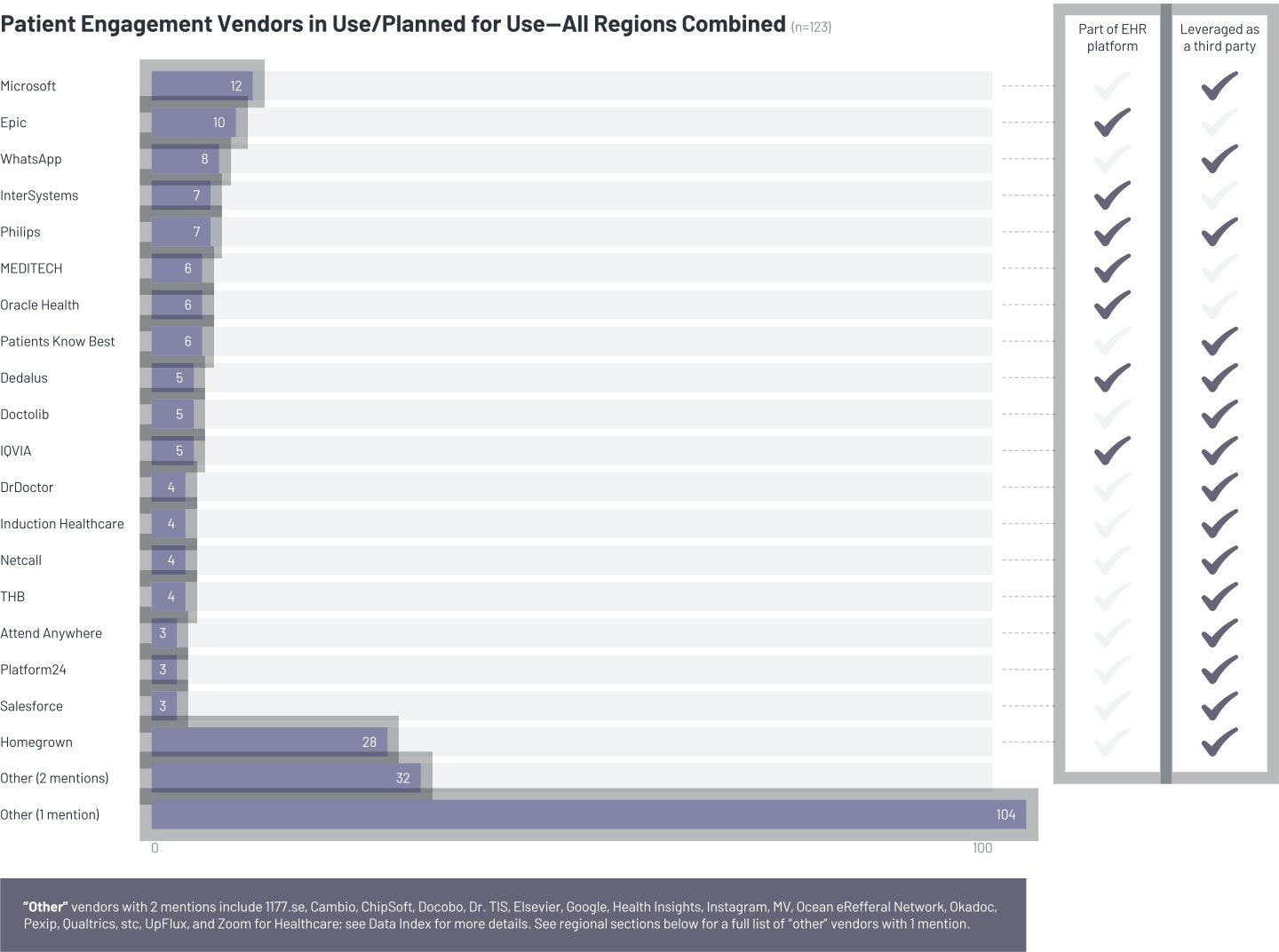
A wide variety of vendors—138 in total—are mentioned by the 155 organizations in this study. Respondents most commonly use third-party or homegrown solutions for patient engagement efforts, rather than their EHR vendor. Microsoft is most used or considered for patient engagement, primarily due to Microsoft Teams being used for virtual visits (often in conjunction with the EHR) and Dynamics being deployed to support customer relationship management (CRM) and patient portal technology. Microsoft is brought up by at least one organization in each region except Africa and Latin America. The popular messaging solution WhatsApp is frequently leveraged in Asia, the Middle East, and Latin America. Many organizations have set up integration with their other solutions to provide patients with a range of information, such as appointment reminders, lab and radiology reports, billing information, and educational materials. Patients Know Best is mentioned by multiple organizations in the UK and one in Canada as key to their strategies for patient portal service and broader data portability.
40% of interviewed organizations are leveraging their core EHR vendor for patient engagement to some extent; just 14% use their EHR vendor exclusively. Epic is the most frequently mentioned EHR vendor—respondents cite their robust solution portfolio. Philips, InterSystems, and Oracle Health are also mentioned, though generally for a more limited scope, such as patient portals for patient record access or communication tools for appointment reminders.
REGIONAL INSIGHTS
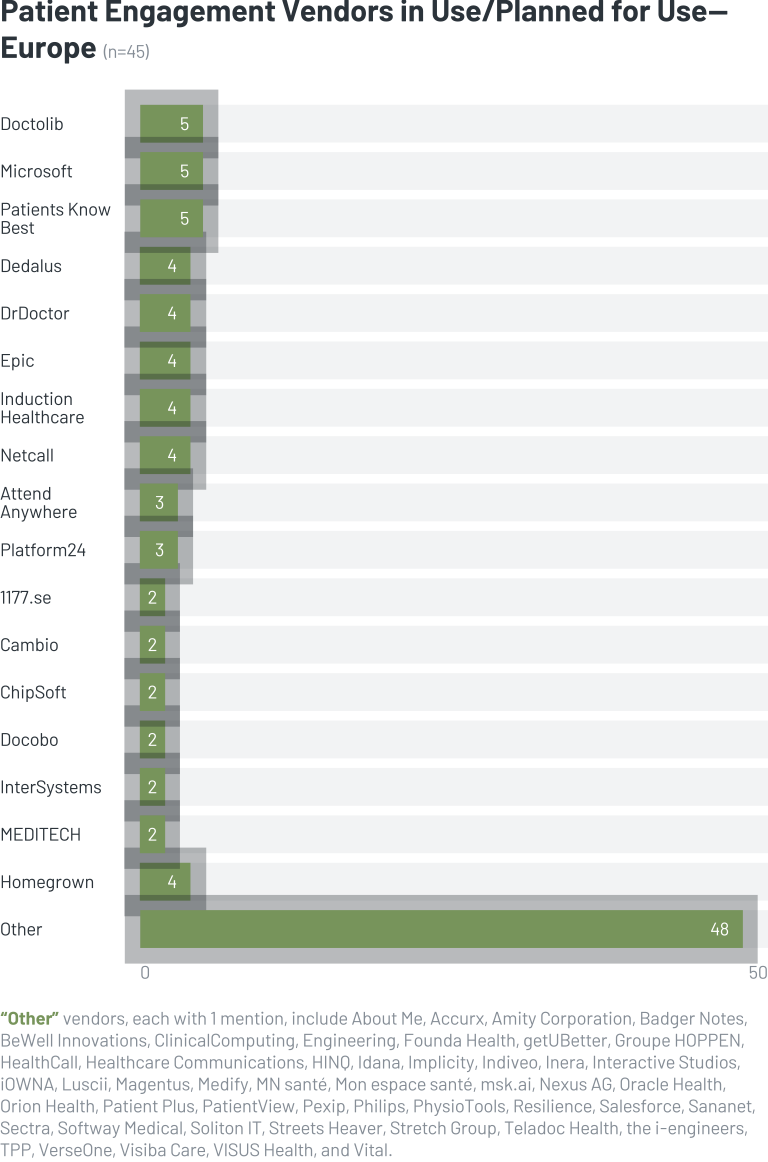
Europe: Portals & Self-Scheduling High Priorities; Doctolib, Microsoft & Patients Know Best Have Most Overall Mindshare, Dedalus & Epic Lead Mindshare for EHR Platforms
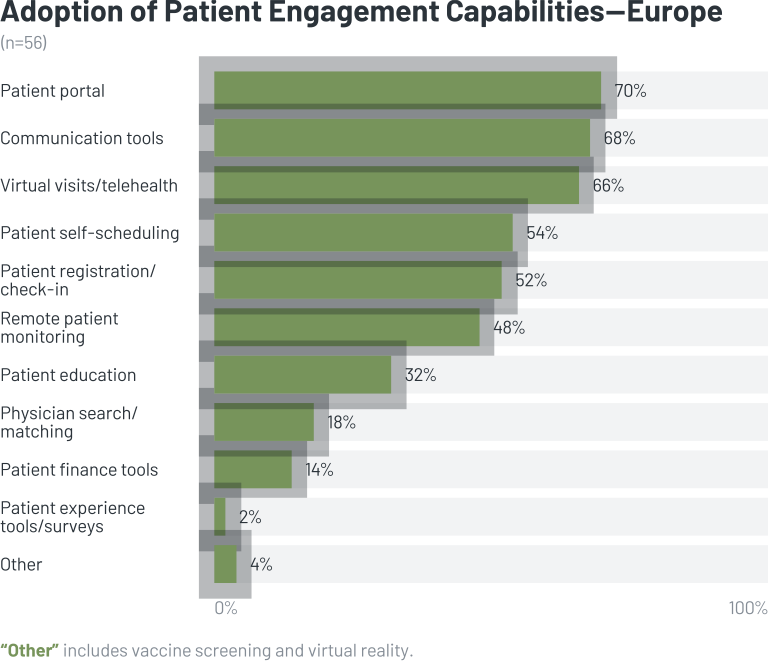
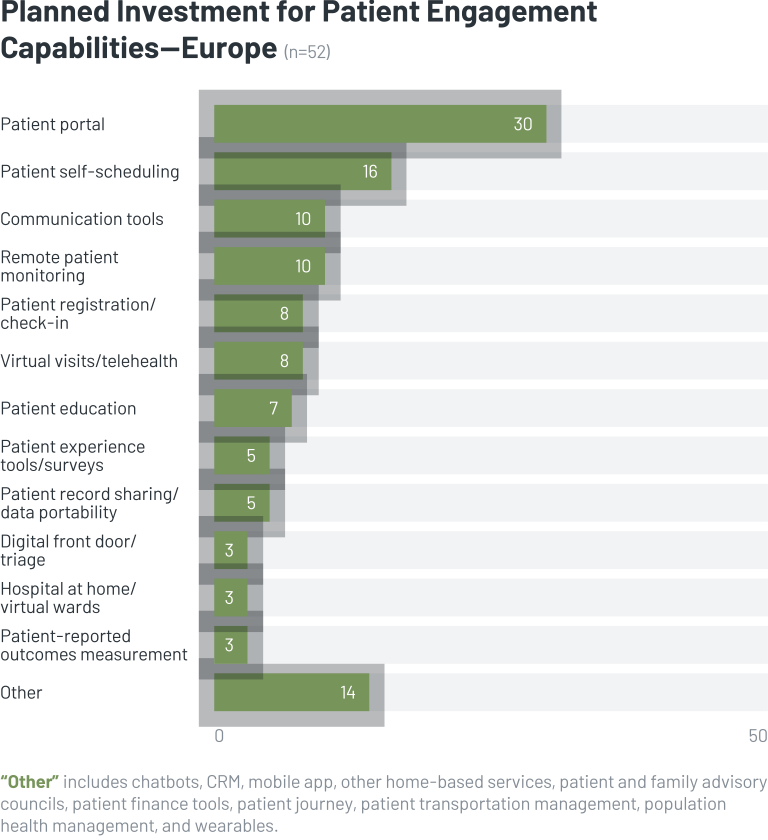
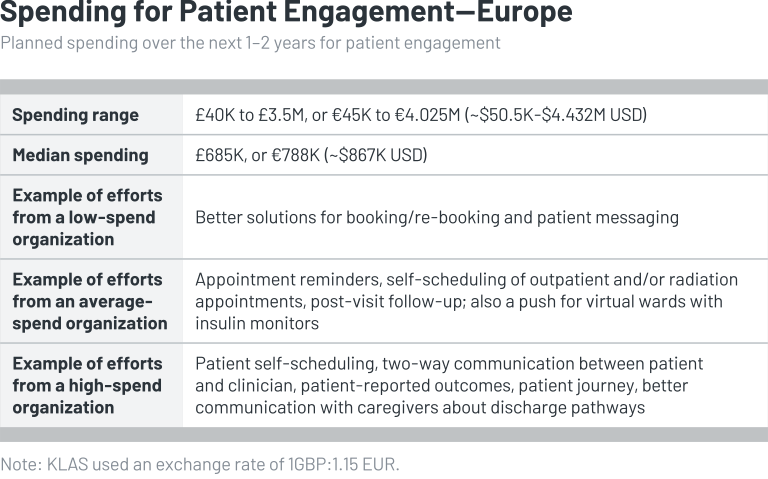
Patient portals and self-scheduling solutions are far and away the most frequently mentioned initiatives for respondents in Europe. Portal adoption is already widespread in Europe, though not all respondents with portal initiatives plan to use their core EHR platform for their portal: roughly 45% mention the EHR, 33% mention best-of-breed portals, and 22% mention national portal initiatives and homegrown platforms. In Europe more than other regions, portal initiatives include efforts around data portability and national patient records. Self-scheduling initiatives are focused on outpatient or radiology appointments and were mentioned multiple times in interviews in the UK, Germany, and Sweden. Additionally, remote patient monitoring is more highly adopted and has more initiatives in Europe than in any other region, thanks to regional health initiatives. Funding from national initiatives aimed at patient engagement is boosting efforts in Sweden, France, Italy, and the UK.
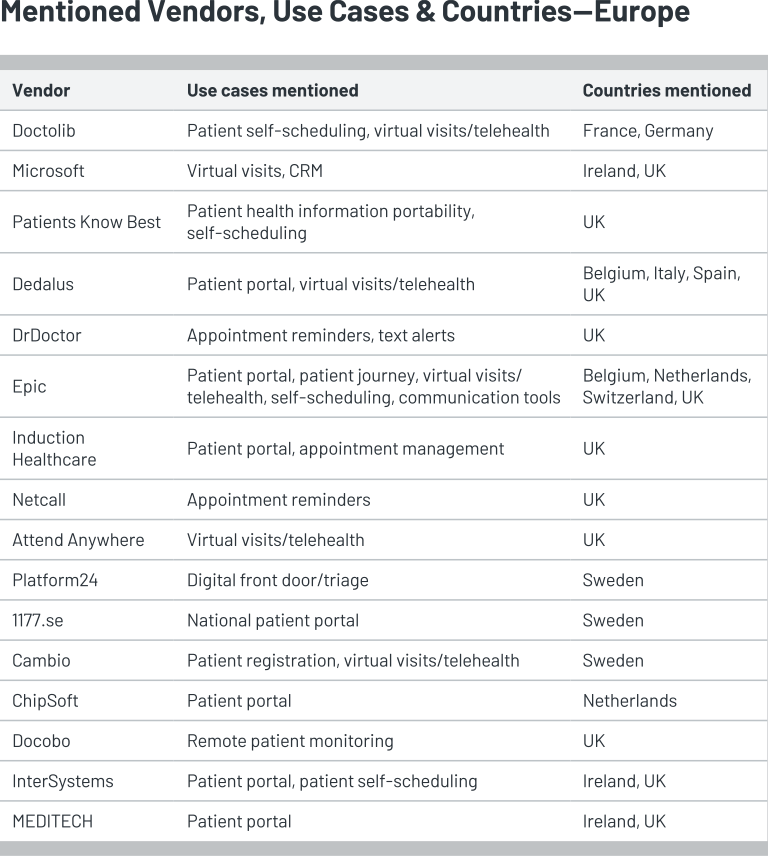
In Europe, most of the vendors with the broadest adoption and highest mindshare are European companies with a presence in multiple countries. Doctolib has a strong presence in France and Germany and is primarily used by respondents for patient scheduling. Patients Know Best is used in the UK to give patients access to their records and data portability. Microsoft is used for virtual visits, and customers also use Dynamics for CRM and portal solutions. Other top-of-mind European vendors include Dedalus (has a pan-European presence and is used by EHR and other customers for portals and virtual visits) and three UK-specific companies: DrDoctor (communication tools for appointment reminders, text alerts, etc.), Induction Healthcare (portal, self-scheduling), and Netcall (appointment reminders, SMS messages). Also, Epic EHR customers in Europe generally use Epic’s broader platform for patient engagement.
Middle East/Africa: Organizations Expanding to Broader Patient Engagement Initiatives, Not Only Patient Portals
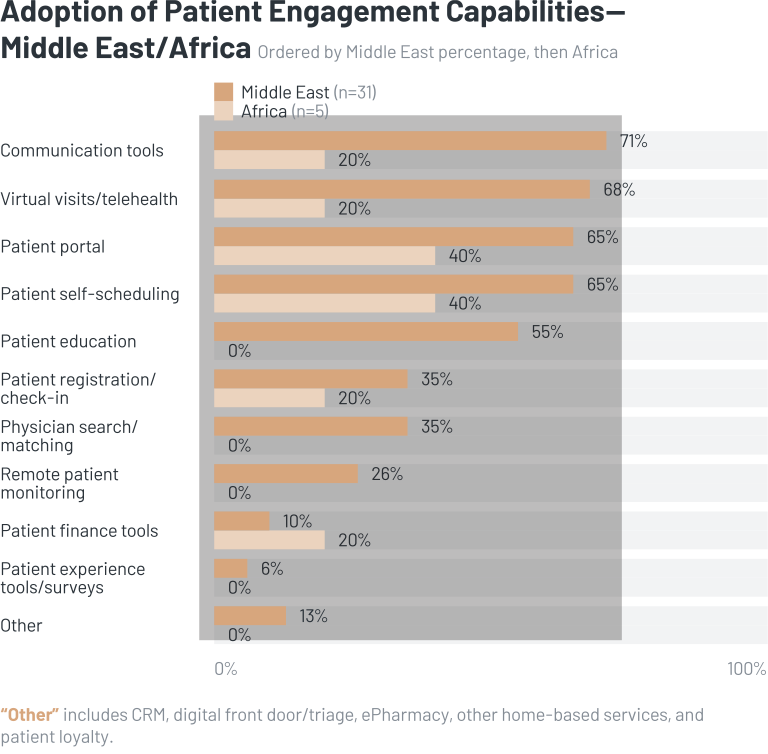
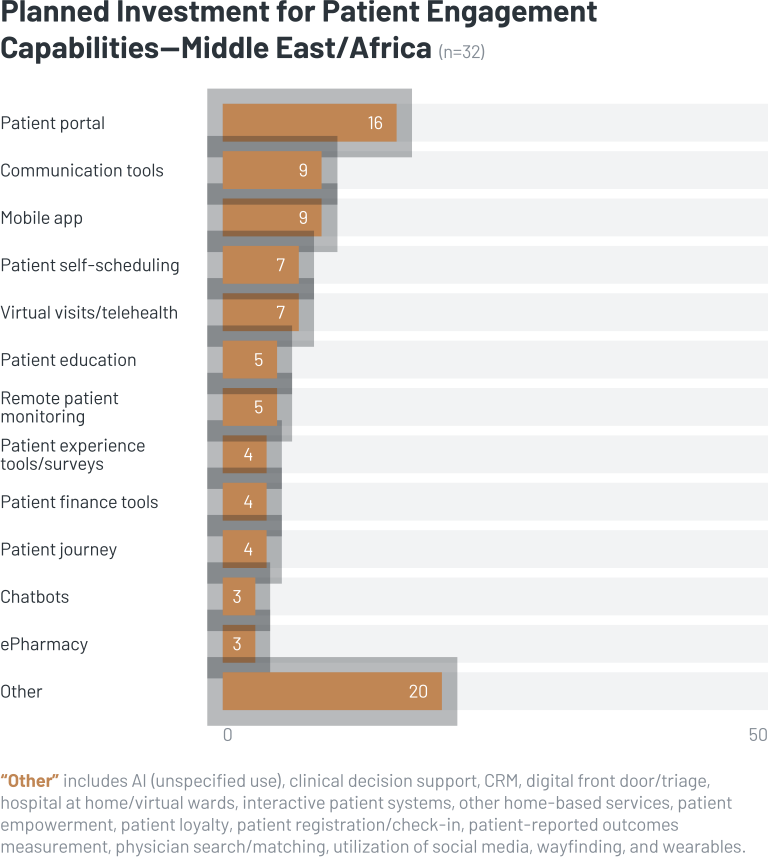
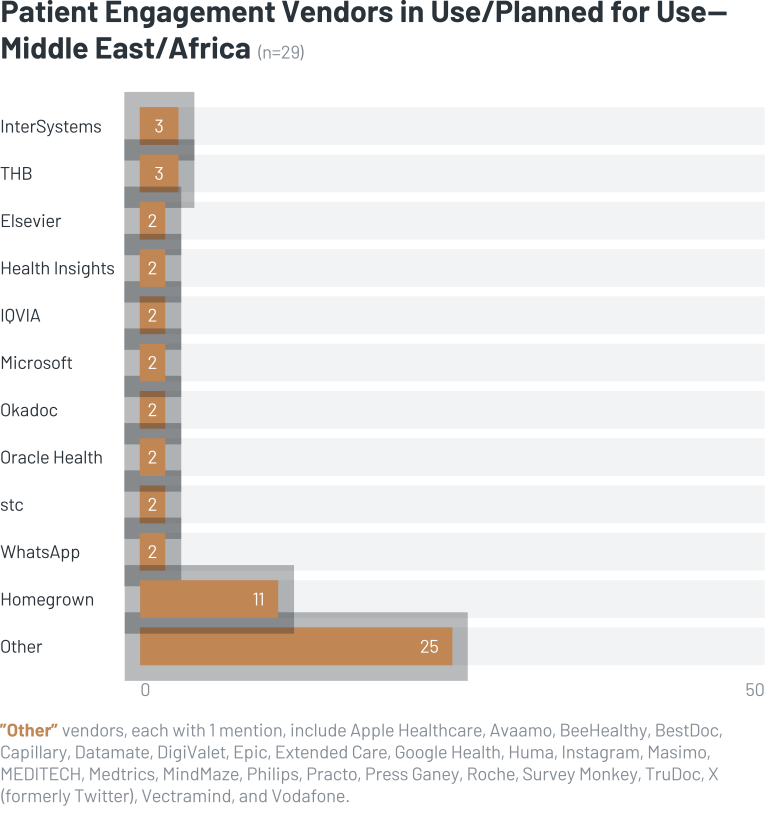
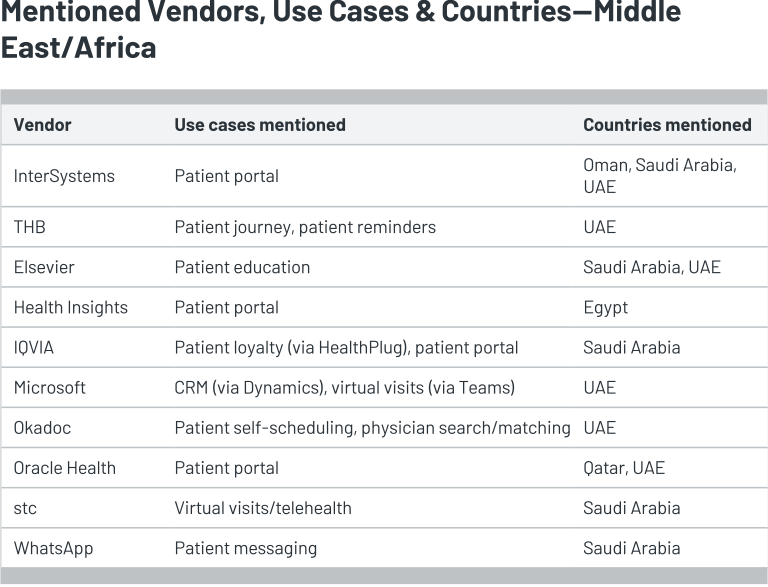
Respondents in the Middle East have some of the broadest patient engagement initiatives of all regions and above-average adoption of patient communication, virtual visits/telehealth, self-scheduling, patient education, and physician search/matching. Going forward, many organizations want to optimize their portal and mobile apps, saying EHR vendors like Health Insights, InterSystems, IQVIA, and Oracle Health are part of their strategies. More-advanced initiatives—e.g., patient education, patient journey initiatives, and chatbots—are mentioned much more frequently in the Middle East than in other regions. Many vendors are being used for these and other advanced initiatives, including Elsevier (patient education), Microsoft (CRM), Okadoc (self-scheduling), stc (virtual visits/telehealth), and THB (patient journey). KLAS interviewed five healthcare providers in Africa. Africa’s adoption of patient engagement technology lags other regions’, and their initiatives focus on portals or self-scheduling.
Asia/Oceania: Best-of-Breed Solutions Used More Widely Than EHR Platforms for Patient Engagement
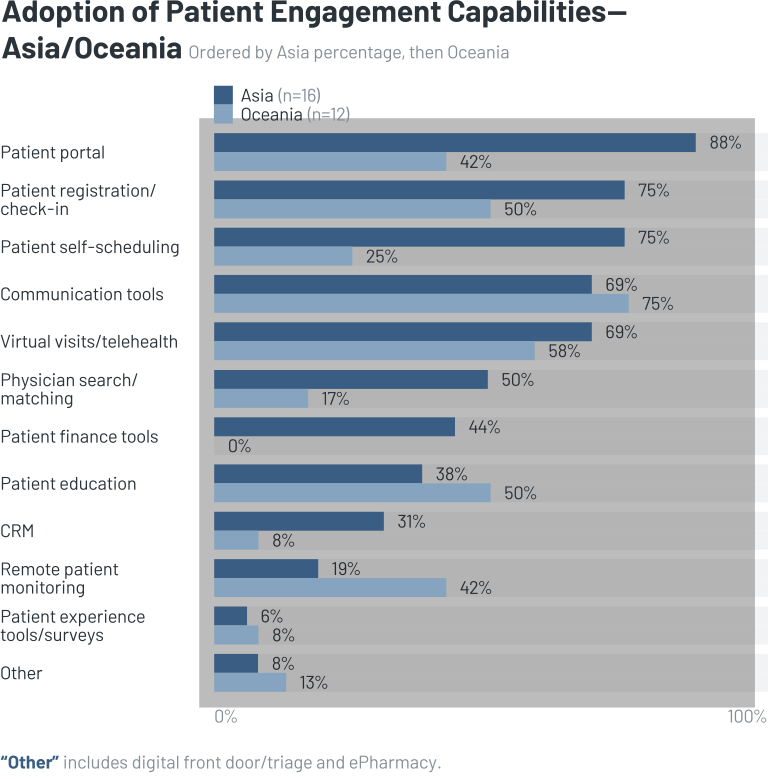
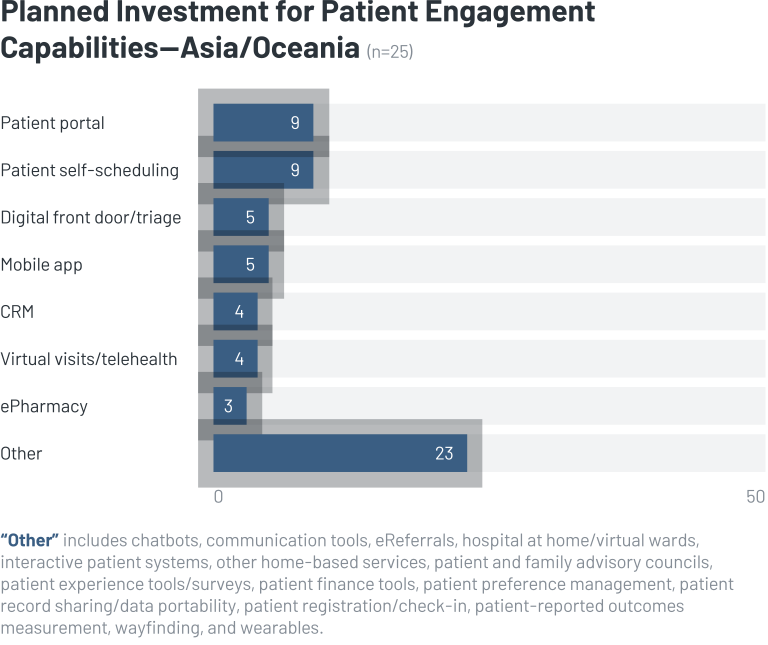
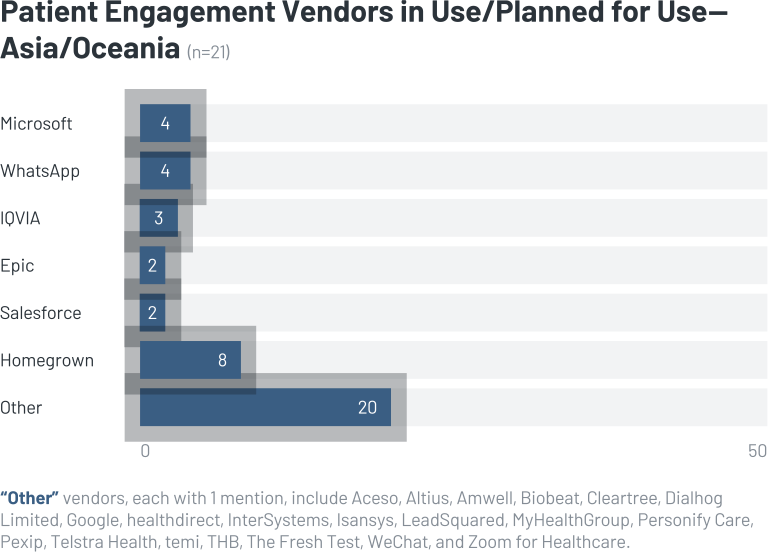
Throughout Asia and Oceania, best-of-breed solutions are the primary means by which organizations carry out patient engagement efforts. Nearly half also employ homegrown solutions. Though enterprise EHR use is still in its infancy in parts of Asia (e.g., India), patient engagement efforts are fairly robust. In addition to adopting tools that provide patients with basic health information, organizations have also adopted patient communication, virtual visit, and patient access tools—the latter will continue to be a high-priority investment over the next couple of years in the form of self-scheduling tools and mobile apps. Additionally, patient finance tools have higher adoption rates in Asia (especially India) than any other region in this report.
In Oceania, EHR usage is broader, and the region has seen high purchasing energy of late. However, adoption of technology beyond the core patient record is limited. Moving forward, adoption of patient portals and patient access solutions (i.e., scheduling and digital front door tools) is the highest priority.
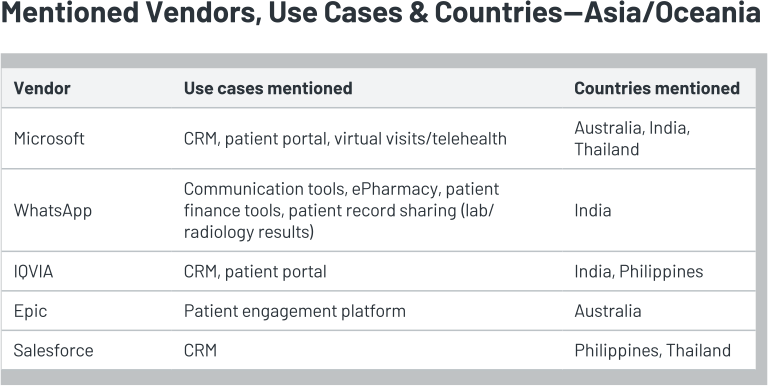
Across Asia and Oceania, nearly one-quarter of respondents have adopted CRM tools. Use is especially common in Asia. Microsoft, Salesforce, and IQVIA were among the solutions most commonly mentioned. To facilitate an array of patient services, many healthcare organizations in India have integrated the widely adopted WhatsApp tool into their core systems. Among EHR vendors, two were mentioned multiple times as being used for patient engagement efforts beyond the core EHR: IQVIA (primarily in Asia) and Epic (primarily in Oceania). Epic has few clients in the region, but these clients report relatively broad patient engagement initiatives.
Insufficient data to share details on patient engagement spending in Asia/Oceaia.
Latin America: Portals & Self-Scheduling See Broad Adoption via Core EHR Platforms; Adoption of Communication Tools & Virtual Visits Is Lower
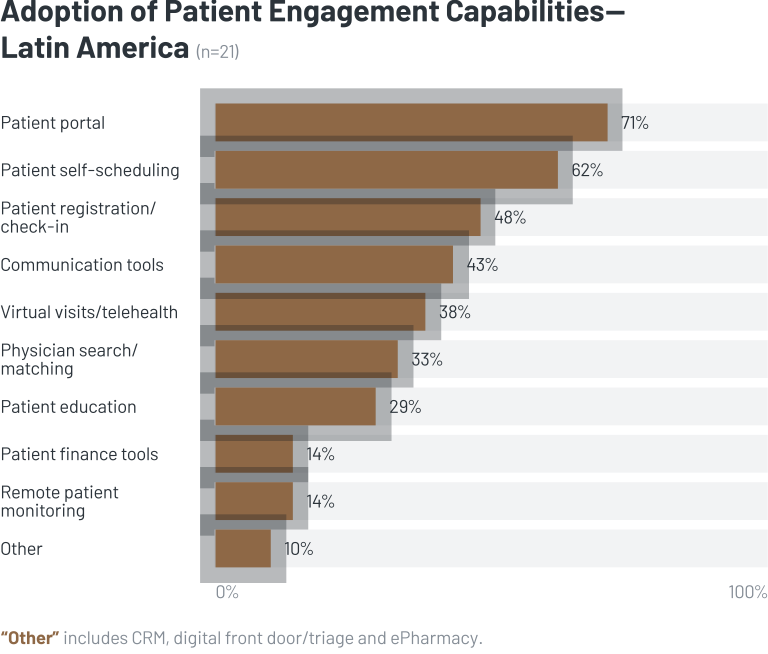
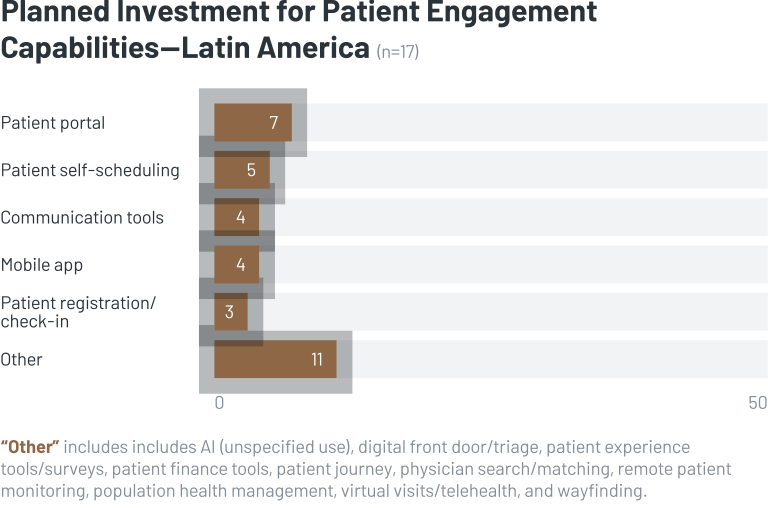
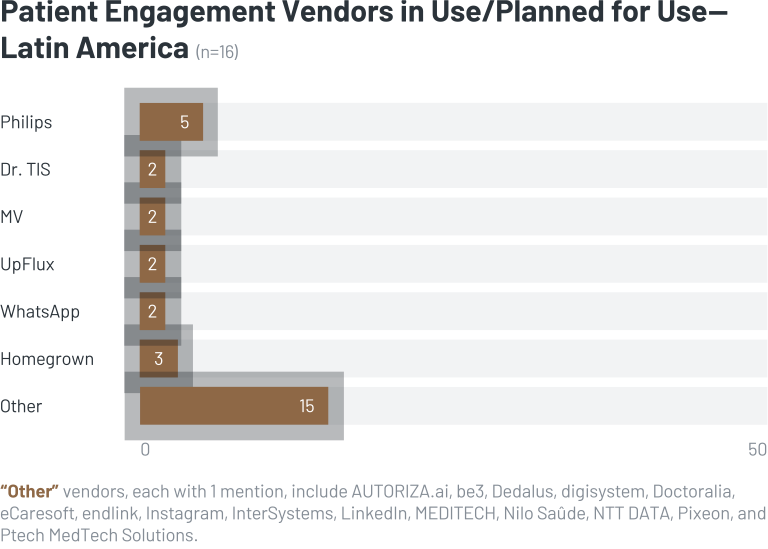
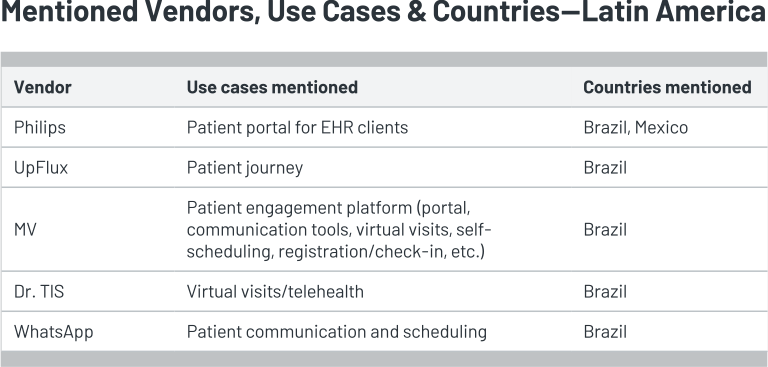
In Latin America, adoption of core patient engagement technology, like patient portals and self-scheduling, is above average, and organizations plan to continue investing in these areas to attract and retain patients. The most prevalent core EHR vendors being used for patient engagement are Philips and MV. Philips clients report using it mostly for the portal; MV is used more broadly as a platform encompassing numerous patient engagement offerings. Compared to other regions, respondents in Latin America use communication tools and virtual visits less frequently, with usage being highest in Brazil. For these functionalities, the most commonly used vendors are Dr. TIS, UpFlux, and WhatsApp.
Insufficient data to share details on patient engagement spending in Latin America.
Canada: EHR Deployments Drive Focus on Patient Portals
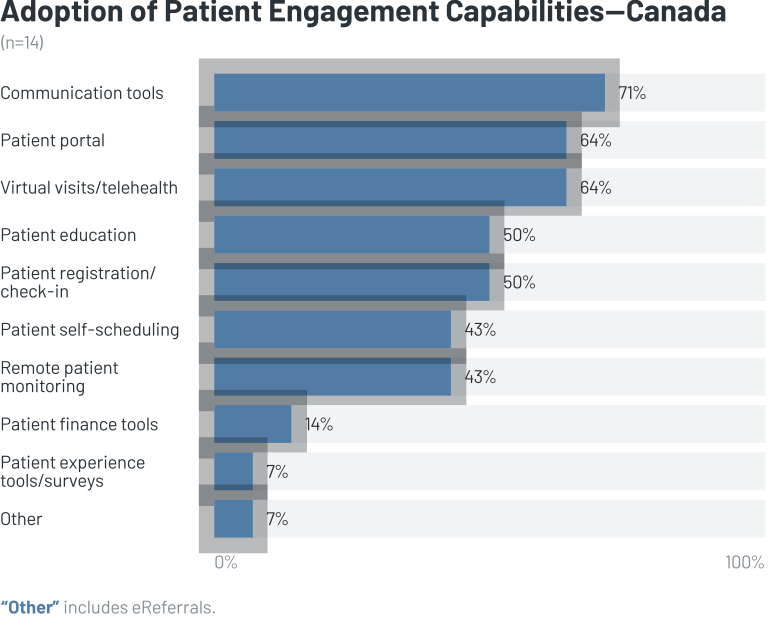
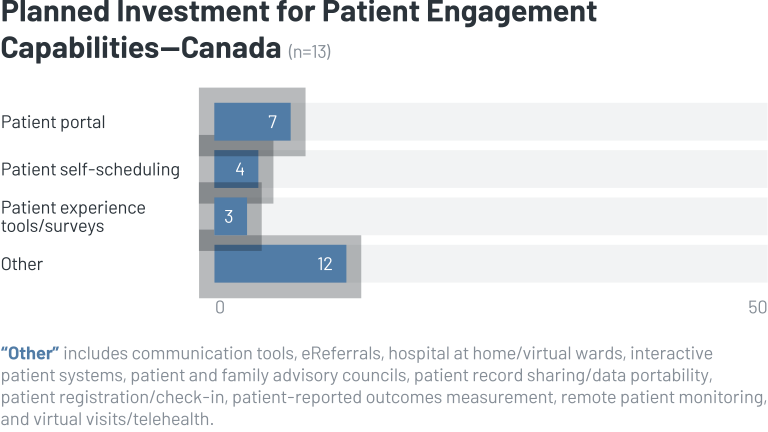
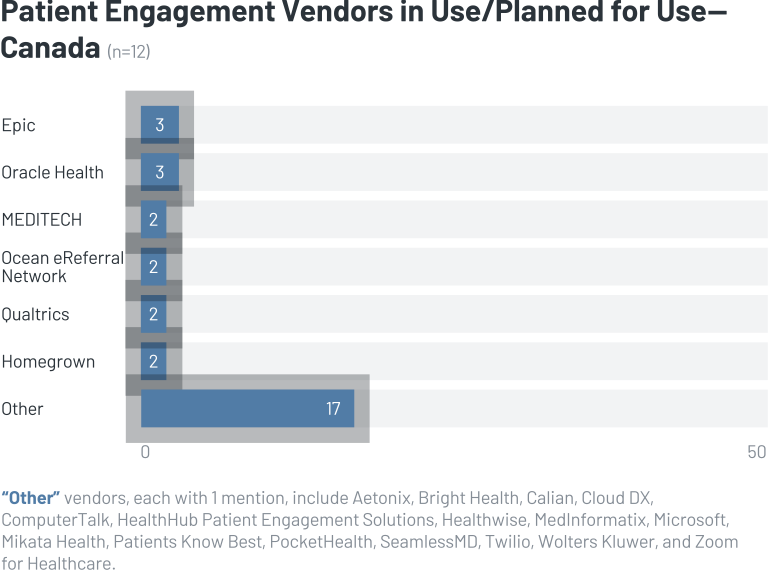
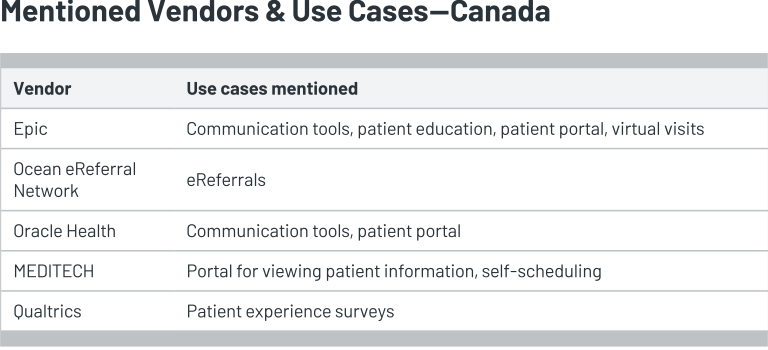
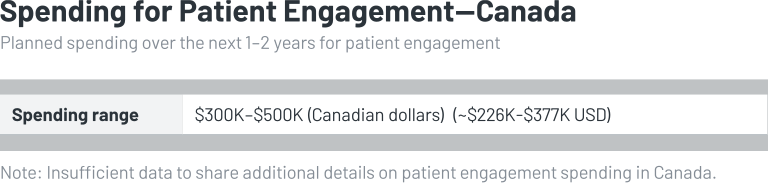
In Canada, EHR selections and deployments have recently ramped up, and this has slowed patient engagement energy. However, as organizations are often planning for their EHR technology to underpin their go-forward patient engagement initiatives (rather than using third-party or homegrown solutions), energy around EHR vendors for patient engagement will likely pick up in the future. Epic, Oracle Health, and MEDITECH are three of the most frequently mentioned vendors for patient portals. Compared to other regions, respondents in Canada more frequently mention having patient experience initiatives. For this type of work, Qualtrics is the only vendor cited multiple times. For patient engagement generally, respondents in Canada are using a patchwork of best-of-breed solutions—at least 18 non-EHR solutions are mentioned in addition to EHR and homegrown solutions.
About This Report
This report is a perception study. It is designed to help readers understand how healthcare organizations outside the US are approaching patient engagement, including how technology is prioritized, what tools they use or plan to us, and what vendors they are using or considering to support their patient engagement strategies. It is important to note that this report is not focused on the performance of vendors providing patient engagement solutions and is not meant to convey market share. Rather, this report aims to share what vendors, solution types, and areas of patient engagement are top of mind for healthcare organizations. Other vendors not discussed in this report may offer similar capabilities, but healthcare organizations did not bring them up in conversations with KLAS.
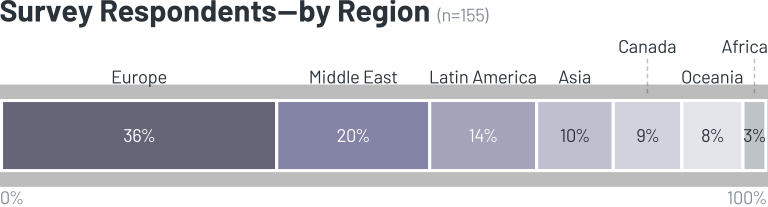
For this report, KLAS interviewed healthcare leaders from 155 organizations across 39 countries and territories around the world. Interviews were conducted between January 2023 and December 2023, and they draw on KLAS’ larger pool of non-US healthcare organization contacts—KLAS did not target any specific vendors for this research. KLAS’ visibility varies region to region and is particularly limited in Africa and Asia, where many countries are not represented in this report sample.

Writer
Amanda Wind

Designer
Jess Wallace-Simpson

Project Manager
Sydney Toomer
This material is copyrighted. Any organization gaining unauthorized access to this report will be liable to compensate KLAS for the full retail price. Please see the KLAS DATA USE POLICY for information regarding use of this report. © 2026 KLAS Research, LLC. All Rights Reserved. NOTE: Performance scores may change significantly when including newly interviewed provider organizations, especially when added to a smaller sample size like in emerging markets with a small number of live clients. The findings presented are not meant to be conclusive data for an entire client base.