KLAS Contact

Contact KLAS
Contact KLAS
 2026 BEST IN KLAS
Preferences
Related Series
Related Segments

PACS 2023
Consolidation & Replacements of Aging & Legacy Systems Drive Market Shifts

Author
Monique Rasband

Author
Sidney Tate

Author
Spencer Corbett
The PACS market is in flux—about one in five organizations interviewed by KLAS in the last two years is planning to replace their PACS, and more report they would replace their system if given the opportunity. This market shift is driven largely by organizations (1) replacing aging/legacy technology with go-forward platforms, (2) consolidating platforms, and (3) continuing to move toward unified enterprise imaging strategies. Organizations replacing their PACS are seeking vendor partners with a vision for the future and a strong commitment to innovation. This report examines 90 recent PACS purchase decisions validated by KLAS between September 2021 and September 2023 to understand why certain vendors are being considered, selected, and replaced in this dynamic market.
Note: Decisions primarily come from organizations that manage more than 50,000 studies annually (the market actively tracked by KLAS).
Sectra Leads the Market in Considerations & Selections
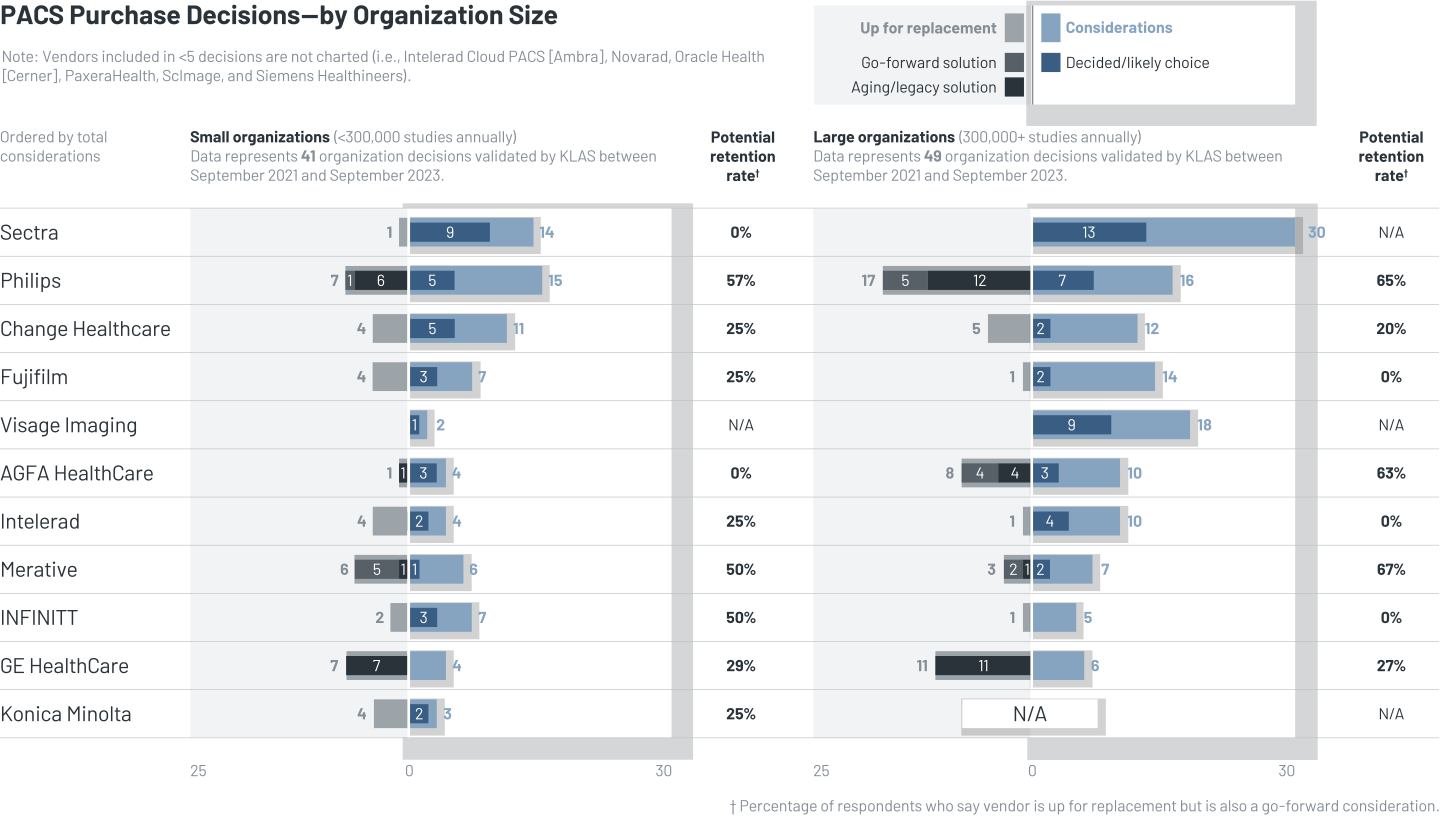
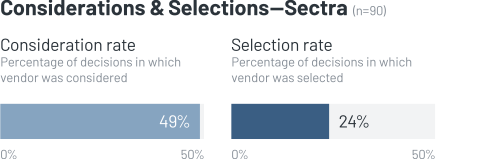
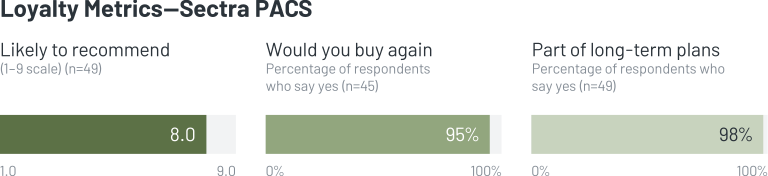
Sectra has the highest purchase energy in the PACS market, as they are considered in nearly half of total decisions and selected in roughly one-quarter of total decisions—significantly more than any other vendor in this report. Main reasons for consideration and selection are favorable peer recommendations and Sectra’s solid reputation as a leader in the PACS market, which is fostered by robust customer relationships and innovative, user-friendly technology. Another important consideration factor is Sectra’s ability to integrate well with EHRs/other solutions. While Sectra is widely considered and selected across both small and large organizations, cost is the main reason for not being selected, especially by small organizations.
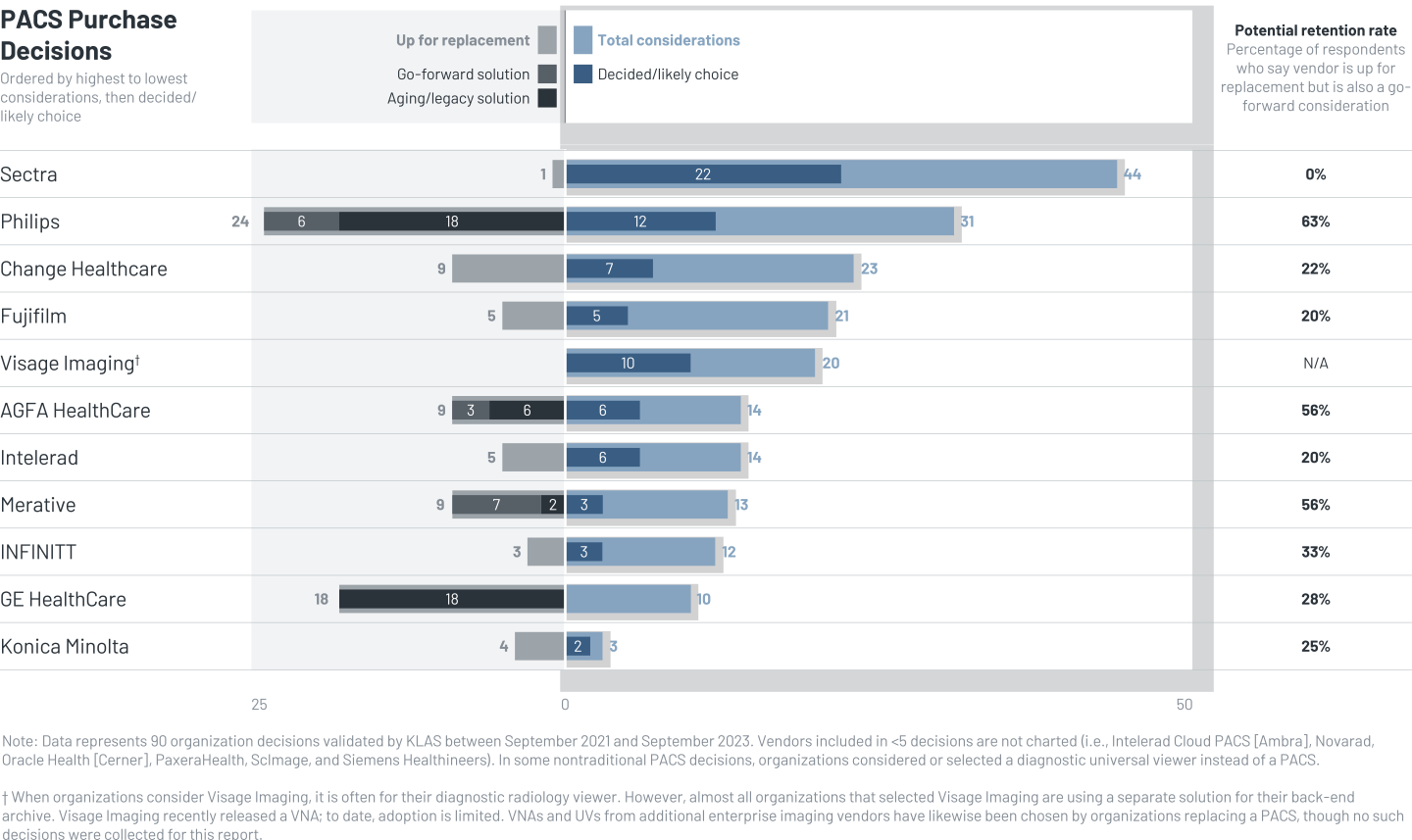
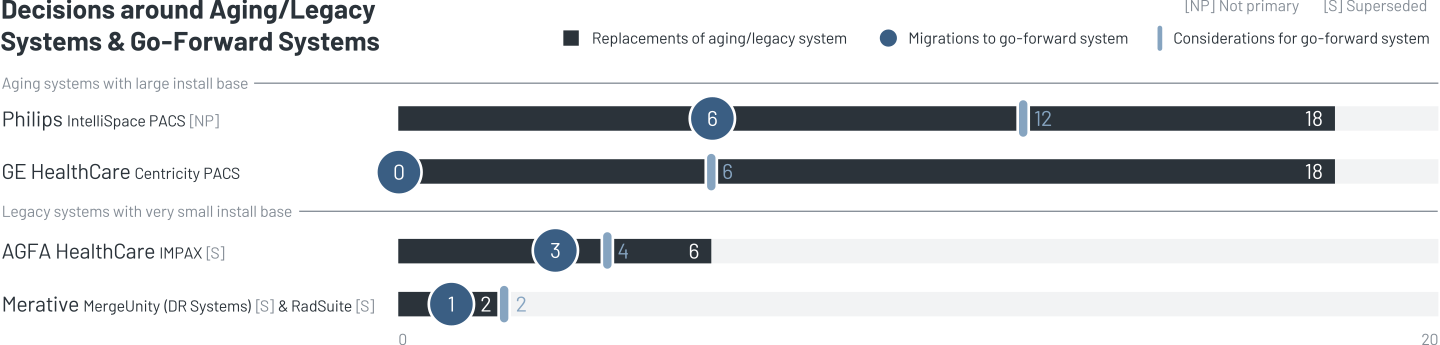
One in Three Philips IntelliSpace PACS Customers Looking to Move to Vue PACS amid Migration Challenges; GE HealthCare Sees Many Replacements with Few Serious Considerations
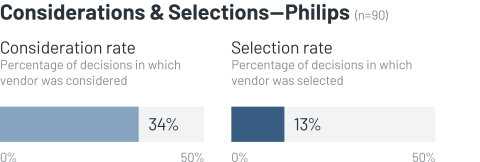
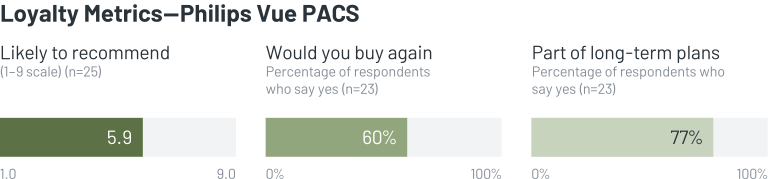
Philips has a large US customer base using IntelliSpace PACS, and of those interviewed, two in three who are replacing the platform have considered moving to the go-forward Vue PACS platform in recent years, while one in three decided to move in that direction. Those who opted to move toward adopting Vue PACS say key factors are the price point and their existing relationship with Philips. Respondents report some challenges and delays with migrating from IntelliSpace PACS to Vue PACS, resulting in two customers looking at other vendors and two feeling concerned about Vue PACS’ scalability. In addition, Vue PACS is moderately considered by prospective customers, though it has been selected by a limited number of net-new customers (all those validated by KLAS are small organizations with <300,000 studies annually). When IntelliSpace PACS and Vue PACS are up for replacement, organizations report frustrations with bugs, limited support, and a lack of visible development. Of note, Philips has recently changed their leadership team, and current customers report mixed responses—some are still looking to replace, while others are hopeful their vendor can turn things around in the future.
GE HealthCare has a high replacement rate, with few serious considerations among respondents. Organizations say the Centricity PACS technology is aging and that innovation from the vendor has been lacking. These factors, combined with a rocky relationship in past years, have driven many to look elsewhere. Outside the time frame for this report, KLAS has validated a limited number of customers who have contracted for Edison True PACS, GE HealthCare’s go-forward platform. Additionally, GE HealthCare’s leadership team recently underwent changes, and customer responses vary, with some still planning to replace and others feeling optimistic about future improvements.
Visage Imaging Gains Significant Momentum among Large Health Systems
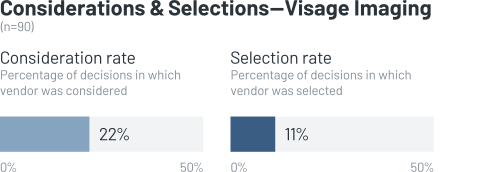
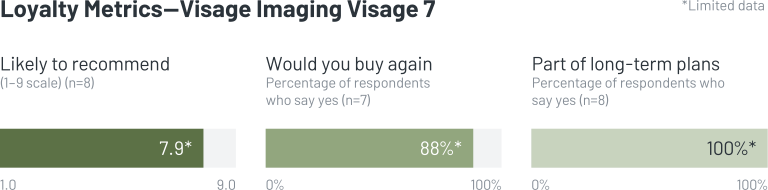
Visage Imaging’s purchase energy is increasing, especially among large health systems that are replacing the front end of their PACS. The appeal of the cloud-based diagnostic viewer has captured the interest of prospective users thanks to its robust, speedy technology and the user-friendly interface that has won over radiologists. Organizations also appreciate the solution’s strong integration capabilities. Many organizations considering Visage Imaging say the product not only meets but also often exceeds their criteria, and this viewpoint is corroborated by references from satisfied customers. Until recently, the vendor exclusively offered a diagnostic viewer, Visage 7; organizations who have transitioned to the viewer to replace their PACS have still needed a separate back-end archive. Although Visage Imaging recently introduced a VNA, its adoption has been limited so far, and some organizations are hesitant to adopt. The need to select a separate archive deterred some organizations from ultimately choosing Visage Imaging, and those who chose other vendors cite one-off concerns with Visage 7’s architecture, the sales process, or the cost.
Change Healthcare & Fujifilm Highly Considered by Both Large & Small Organizations but Selected Less Frequently
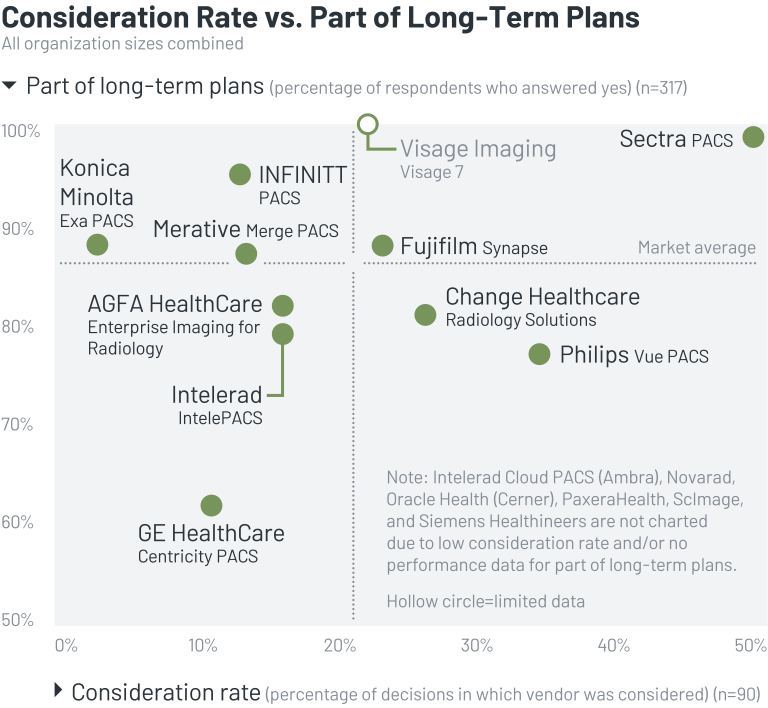 Organizations considering or selecting Change Healthcare are drawn to the product’s ease of use and efficiency, which were demonstrated during the sales process; clinicians and radiologists, in particular, find these aspects appealing. Despite the vendor being considered in roughly one-quarter of all decisions in this report, their selection rate is comparatively low. Primary reasons for replacement are nickel-and-diming and a lack of innovation that negatively affects product stability. Notably, since Change Healthcare merged with UnitedHealth Group in 2022, only one organization (of the nine who replaced Change Healthcare) cites the merger as a reason for switching vendors. Fujifilm is also highly considered, often being included in organizations’ final round of selections; however, the vendor’s selection rate is comparatively low. Organizations consider the vendor’s product for the robust functionality, centralized imaging capabilities, focus on server architecture, and unified cardiology and radiology PACS. Nearly half of organizations that select the PACS (which is often selected in conjunction with Fujifilm’s VNA) highlight how the system can accommodate all their imaging modalities. Fujifilm’s lower selection rate stems from several factors, including perceived deficiencies in the sales process, better price negotiations with competitors, concerns about cost-effective scalability, and perceptions of the product being outdated. Replacements are mainly driven by system consolidation; the three organizations who cite this reason say Synapse is a good product. The other two replacing organizations point to unkept promises and Fujifilm’s lack of alignment with their organizations’ long-term strategy.
Intelerad & AGFA HealthCare See Moderate Purchase Energy & Replacements; Merative Has Less Energy as Market Waits to See Results of Acquisition
Organizations primarily consider Intelerad because of IntelePACS’ ability to scale to multisite organizations and those with large imaging volumes, along with positive recommendations from peers about the product. In contrast, all those who are replacing mention concerns with the support, namely slow responses and unresolved issues. In addition, more than half of organizations leaving IntelePACS feel it is being neglected due to a lack of investment in development. AGFA HealthCare’s Enterprise Imaging for Radiology platform is predominantly considered by large organizations that manage over 300,000 studies annually. Selections are often driven by platform consolidation, AGFA’s partnership, and the product’s robustness. Those who ultimately didn’t select AGFA felt that other products more closely aligned with their specific standards and needs. A few organizations have opted to replace Enterprise Imaging for Radiology due to lingering issues from a bumpy rollout occurring several years ago. On the other hand, interviewed customers using version 8.2 show significantly higher satisfaction and greater loyalty compared to those using older versions. Very few organizations remain on AGFA’s legacy system, IMPAX; three organizations migrated to Enterprise Imaging for Radiology, while the other three considered alternative vendors due to migration costs.
Merative Merge PACS has moderate consideration but a lower overall selection rate—three organizations selected Merative to consolidate their platform. Francisco Partners acquired the Merge imaging assets from IBM Watson Health in June 2022, spinning them off under Merative. Five organizations (two on legacy platforms, three on Merge PACS) were in the process of replacing before the acquisition, expressing dissatisfaction with their experience under IBM Watson Health. Four additional replacements occurred post-acquisition by dissatisfied organizations who wanted to see faster development and improved functionality. Other organizations are waiting to see the effects of the acquisition. Of note, customer satisfaction has improved in the last year, particularly with relationships and support.
INFINITT Considered & Selected by Small Organizations More Often than Large
INFINITT offers a unified imaging platform that includes a radiology PACS, cardiology PACS, and VNA, among other capabilities; one main reason for consideration is the platform’s consolidation. Most of INFINITT’s current customers are small to midsize organizations, and prospective customers have a mixed view of the vendor’s ability to scale, with one large organization believing the product wouldn’t meet their unique needs. Three organizations replaced INFINITT due to one-off concerns. INFINITT’s customer base is among the most stable of those measured in this report. Konica Minolta is likewise predominantly considered and selected by smaller organizations, though they see less purchase energy among organizations with imaging volumes greater than 50,000 studies annually. Novarad and PaxeraHealth have limited considerations, all by small organizations. Oracle Health (Cerner), ScImage, and Siemens Healthineers also have limited considerations.
Vendors Summaries
Ordered alphabetically
Note: Loyalty metrics are based on numeric satisfaction ratings from current customers. Considerations, selections, and quotes were collected as part of KLAS’ Decision Insights data. Summaries for Intelerad Cloud PACS (Ambra), Novarad, Oracle Health (Cerner), PaxeraHealth, ScImage, and Siemens Healthineers are not included due to low consideration/selection rates and no KLAS performance data. See About This Report for more information.
AGFA HealthCare
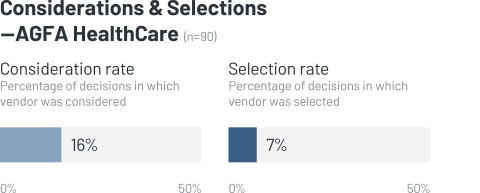
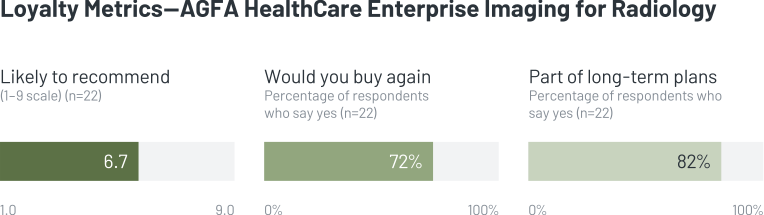
 “For our situation, we chose to upgrade and stay with AGFA HealthCare. AGFA HealthCare won because we already had a foundation in place with them; we had relationships and a long-standing history with the vendor. We saw the product as an enhancement to what we were already satisfied with. We already had a knowledge base internally and were familiar with the product. There was a level of expectation that we knew the vendor would meet.” —Manager (organization that selected)
 “We were leaning toward AGFA HealthCare’s product pretty heavily, but it was going to cost us a lot of money to move from IMPAX to Enterprise Imaging for Radiology. Things had improved with AGFA HealthCare on the relationship side, but we didn’t like the high cost of the product and the uncertainty we felt.” —Analyst/coordinator (organization that is replacing)
Change Healthcare
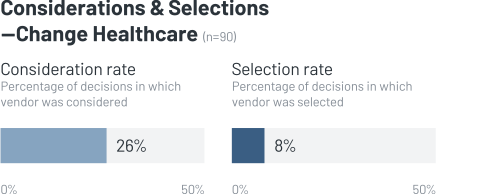
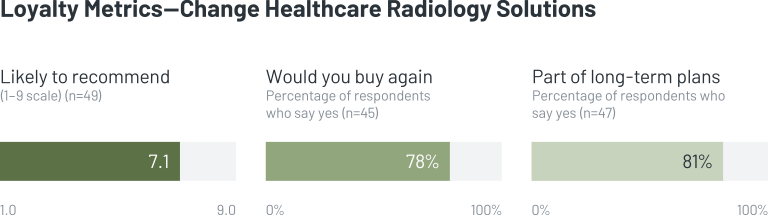
“We chose Change Healthcare’s system because it was what our radiologists preferred. We looked at probably at least 30 vendors, and we brought the top 4 or 5 on-site. Our radiologists wanted something that seemed fairly simple, intuitive, and easy to use, and those are the things that we liked about our old product.” —PACS/RIS coordinator (organization that selected)
“We had multiple PACS solutions, and we decided it was time to consolidate. . . . I don’t think that their solution had any strong advocates on our radiology or IT sides. Change Healthcare has been talking about their vision for years, but we haven’t seen any changes or new technology. We also didn’t feel that Change Healthcare had a strong enterprise offering. Another ongoing issue that kept coming up was that Change Healthcare nickel-and-dimes.” —PACS administrator (organization that is replacing)
Fujifilm
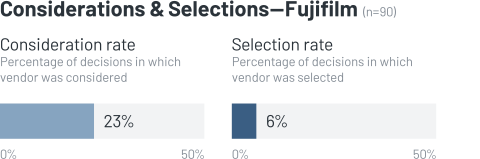
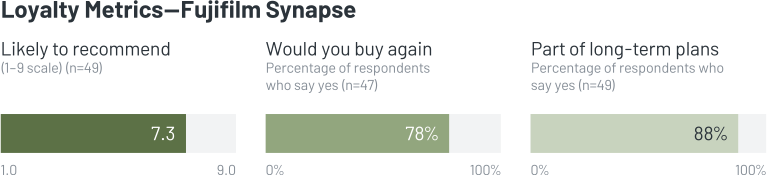
“We like its ease of use and level of functionality. It includes different levels of a VNA system. That is quite important, especially for non-DICOM images and point-of-care images. Those have a separate workflow. We are trying to centralize our imaging solutions, and the vendor has some things that would be good for that. Synapse is a collection of very useful tools. The vendor’s cardiology and radiology PACS are now unified. Their VNA is separate, but it is a very solid solution that is extremely easy to use and manage. That is a big plus.” —Director (organization that considered)
“Fuji seemed to be behind on some of the technology that we needed, and they were always really slow to get back to us. Fuji did not present well or follow through, so they really beat themselves.” —CIO (organization that considered but didn’t select)
GE HealthCare
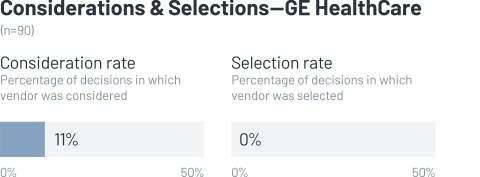
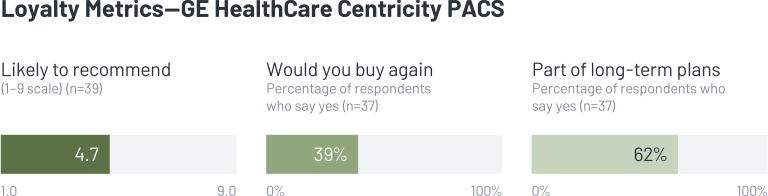
“We considered GE HealthCare because at the end of the day, our decision was a big decision, and we had a long history with GE HealthCare and a lot of data to migrate. We looked at their new go-forward PACS, but it did not compete with leading PACS, and there was a lot GE HealthCare had to work on.” —Director (organization that considered but didn’t select)
INFINITT
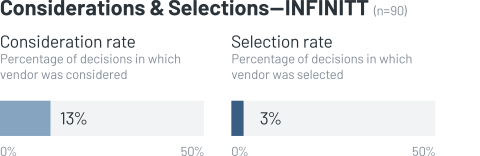
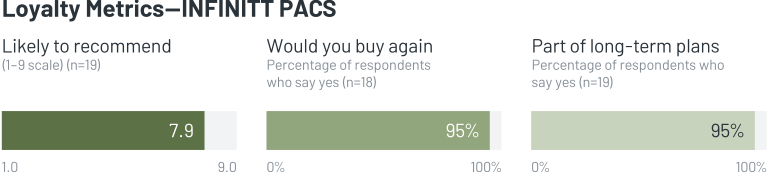
”We like the architecture and functionality that INFINITT PACS offers and the vendor’s support.” —Director (organization that selected)
“My struggles with INFINITT have been on the service end. INFINITT has a lengthy turnaround time on tickets. When we put in a service request, it sometimes takes them a while to give us a resolution.” —Director (organization that replaced)
Intelerad
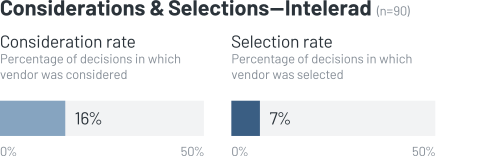
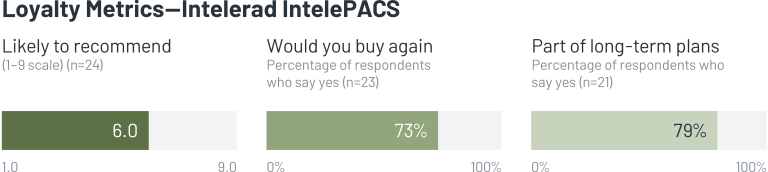
“We are leaning toward IntelePACS because we can put it in the cloud. I need to get off of hosting servers in the data center, so I am looking at IntelePACS in the cloud for scalability. Our radiologists also like IntelePACS’ mammography and PET viewer capabilities better than those of other products.” —VP/other executive (organization that considered)
“Things are not where they need to be, and we are seeing a decline in support and service. The system is outdated, and Intelerad is not investing in IntelePACS or in infrastructure. All of the vendor’s investments are going into acquiring more outdated products to give the vendor the appearance of having an expanded portfolio.” —CIO (organization that is replacing)
Konica Minolta
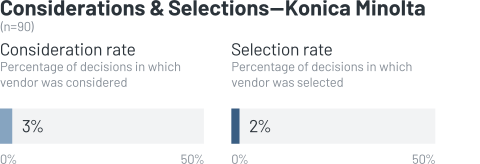
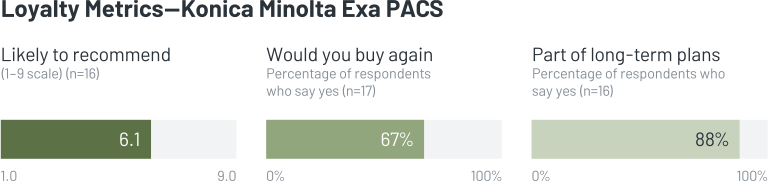
“We went through some big changes in our organization, and we decided to consolidate our sites onto the same PACS. Our corporate team and the team at our location were all fully immersed in Exa PACS, so we just thought it would make sense to consolidate to that product.” —CEO/president (organization that selected)
“Konica Minolta’s solution is in the cloud, so we were a sitting duck whenever the system went down. There are pros to being in the cloud, but the issues we had with downtime and being stuck were probably the reason some of our people were not very eager to make the jump to using Konica Minolta’s system more.” —VP/other executive (organization that is replacing)
Merative
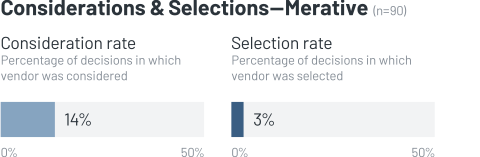
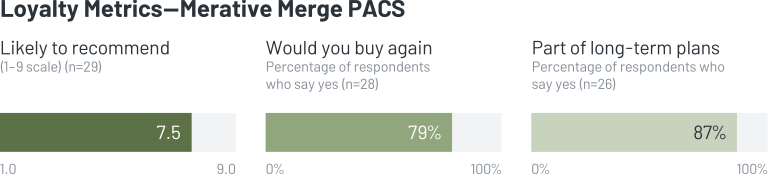
”We made an enterprise decision to go with Merge PACS. Having the system will mean that all of our hospitals, service lines, and support structures will be on the same platform. That should cut down on support costs.” —Manager (organization that selected)
“We are looking to replace our PACS. We are on a very old version of Merge PACS, and it was going to take a lot of hardware and software upgrades to stay current. The cost became more than what we thought was necessary, so we started looking at other candidates.” —Director (organization that is replacing)
Philips
“We can consolidate several things under one vendor and save some money with this platform, and it does all the same things that our current suite of products does.” —Manager (organization that considered)
“Philips has gone back and forth with what they can and can’t do with IntelliSpace PACS and the Vue PACS solution they acquired. We had one person tell us they still offer IntelliSpace PACS and another person tell us they are phasing it out. Philips is low on our list due to uncertainty.” —Director (organization that considered but didn’t select)
Sectra
“We went with Sectra because of their track record with us. When we started to talk about consolidation, Sectra had the smallest footprint. They only handled a small portion of our images, but they gave us the best customer service and treated us like an important client. Most of all, they were willing to act as a partner to us, even though our other imaging vendors were getting the bulk of our money. That all worked out for Sectra because we ended up consolidating and getting rid of several other big vendors.” —PACS administrator (organization that selected)
“Sectra PACS seemed like a good system, but it didn’t look like it was better than the system that we went with. We were able to get a good price from the vendor that we went with.” —Manager (organization that considered but didn’t select)
Visage Imaging
“The functionality that Visage Imaging had in their enterprise image viewer was important to us. Visage 7 was the radiologists’ preference. We wanted it to be used as an enterprise image viewer for cardiology. We also wanted the system to be used for ultrasounds that were required on a niche PACS. Visage Imaging’s enterprise image viewer could do all of those things.” —Director (organization that considered)
“Visage 7 is not a true PACS, but it has a strong diagnostic viewer for the radiologists, and the system would be the front end of how the radiologists read. If we went with that route, Visage 7 would be used like a PACS, and we would add a third-party archive.” —VP/other executive (organization that considered but didn’t select)
About This Report
Data for this report comes from two sources: (1) KLAS Decision Insights data and (2) KLAS performance data.
KLAS Decision Insights Data
All references in this report to organizations’ purchasing motivations come from KLAS’ Decision Insights data. Since 2017, KLAS has been gathering information as to which vendors are being replaced, considered, and purchased and what factors drive these decisions. KLAS Decision Insights data does not represent a comprehensive census or win/loss market share study. Rather, it is intended to help provider organizations understand which vendors have market energy and why. The data set in this report comes from 90 organizations that are making or have recently made a PACS purchase decision validated by KLAS between September 2021 and September 2023.
KLAS Performance Data
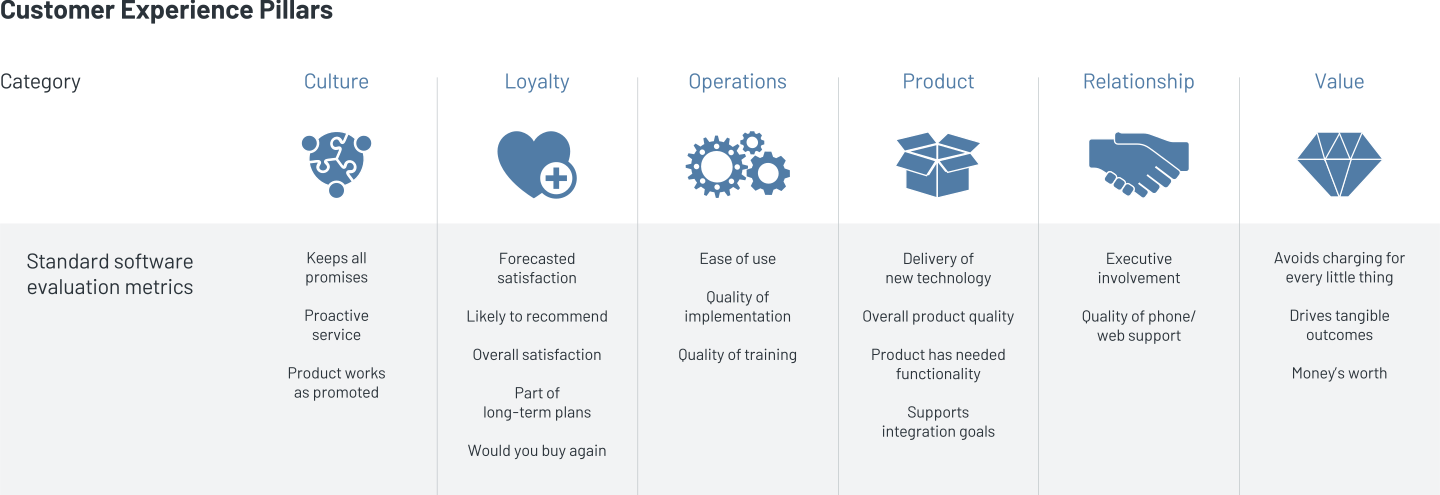
Each year, KLAS interviews thousands of healthcare professionals about the IT solutions and services their organizations use. For this report, interviews were conducted over the last 12 months using KLAS’ standard quantitative evaluation for healthcare software, which is composed of 16 numeric ratings questions and 4 yes/no questions, all weighted equally. Combined, the ratings for these questions make up the overall performance score, which is measured on a 100-point scale. The questions are organized into six customer experience pillars—culture, loyalty, operations, product, relationship, and value.
Sample Sizes
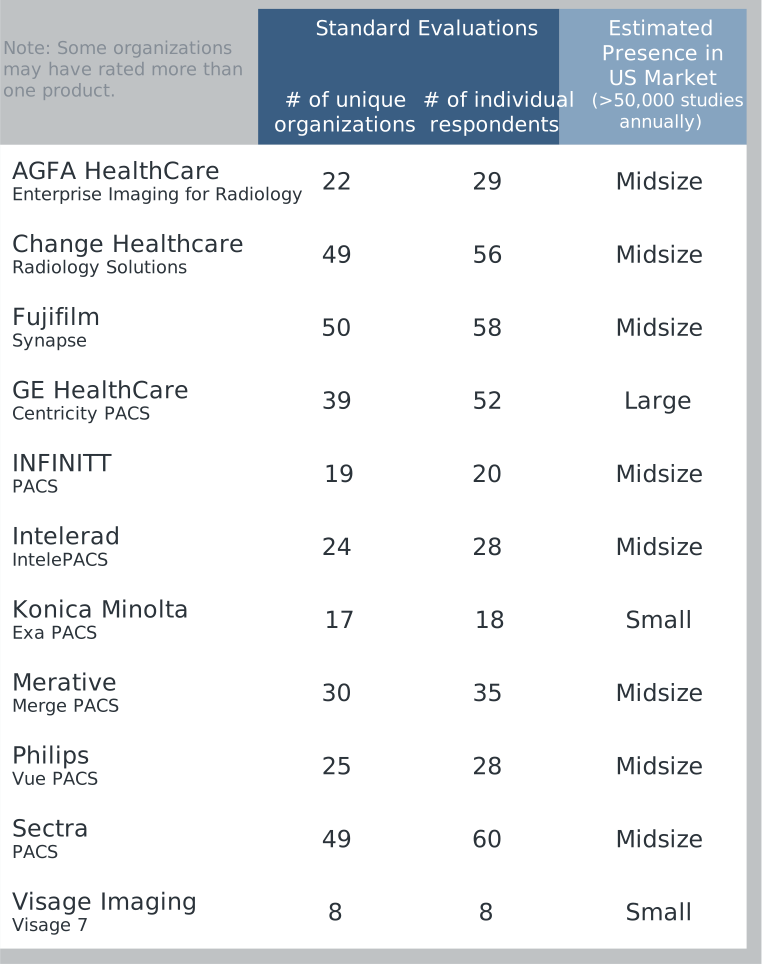
Unless otherwise noted, sample sizes displayed throughout this report (e.g., n=16) represent the total number of unique customer organizations interviewed for a given vendor or solution. However, it should be noted that to allow for the representation of differing perspectives within any one customer organization, samples may include surveys from different individuals at the same organization. The table below shows the total number of unique organizations interviewed for each vendor or solution as well as the total number of individual respondents.
Some respondents choose not to answer particular questions, meaning the sample size for any given vendor or solution can change from question to question. When the number of unique organization responses for a particular question is less than 15, the score for that question is marked with an asterisk (*) or otherwise designated as “limited data.” If the sample size is less than 6, no score is shown. Where textual content relies on limited data, the vendor name is marked with an asterisk. Note that when a vendor has a low number of reporting sites, the possibility exists for KLAS scores to change significantly as new surveys are collected.
Product Designations Used in This Report
- Not Primary [NP]: Product that is not the vendor’s lead product in the market segment but can still be purchased and is still supported. In some cases, the product may not be actively sold in the listed market segment.
- Superseded [S]: Legacy solutions or other solutions that are not generally marketed or whose marketing is superseded by another solution in the same category.

Writer
Sarah Brown

Designer
Breanne Hunter

Project Manager
Sydney Toomer
This material is copyrighted. Any organization gaining unauthorized access to this report will be liable to compensate KLAS for the full retail price. Please see the KLAS DATA USE POLICY for information regarding use of this report. © 2026 KLAS Research, LLC. All Rights Reserved. NOTE: Performance scores may change significantly when including newly interviewed provider organizations, especially when added to a smaller sample size like in emerging markets with a small number of live clients. The findings presented are not meant to be conclusive data for an entire client base.