KLAS Contact

Contact KLAS
Contact KLAS
 2026 BEST IN KLAS
Preferences
Related Series

2025

2016

2014

2012

2011

2010

2009

2008

2006

2005
Related Segments

Ambulatory EHR/PM Mindshare 2024
Which Vendors Are Seen as Poised for Market Share Growth?

Author
Chris Clune

Author
Alex McIntosh
In the dynamic market of ambulatory care, practices are continually evaluating their options for EHR and PM solutions—which vendors are top of mind fluctuates as regulations change, technology advances, and vendor reputations evolve. For this report, KLAS spoke to over 200 ambulatory practices to examine which ambulatory EHR/PM vendors have the most mindshare for future potential decisions and which vendors are being considered or chosen in actual decisions.
This report uses two data sets: (1) mindshare data and (2) KLAS Decision Insights data. To gather mindshare data, KLAS asked 152 ambulatory practices, “If you were hypothetically in the market for a core EHR/PM solution, who would be your top three vendors, and why?” Some respondents did not name specific vendors they would choose but still shared the top factors they would consider in a decision. For the Decision Insights data, KLAS spoke to 100 ambulatory practices who are planning to make an EHR/PM purchase decision in the near future or have recently done so to learn who they considered/chose and why.
Epic & athenahealth Garner Highest Mindshare among Independent Ambulatory Practices
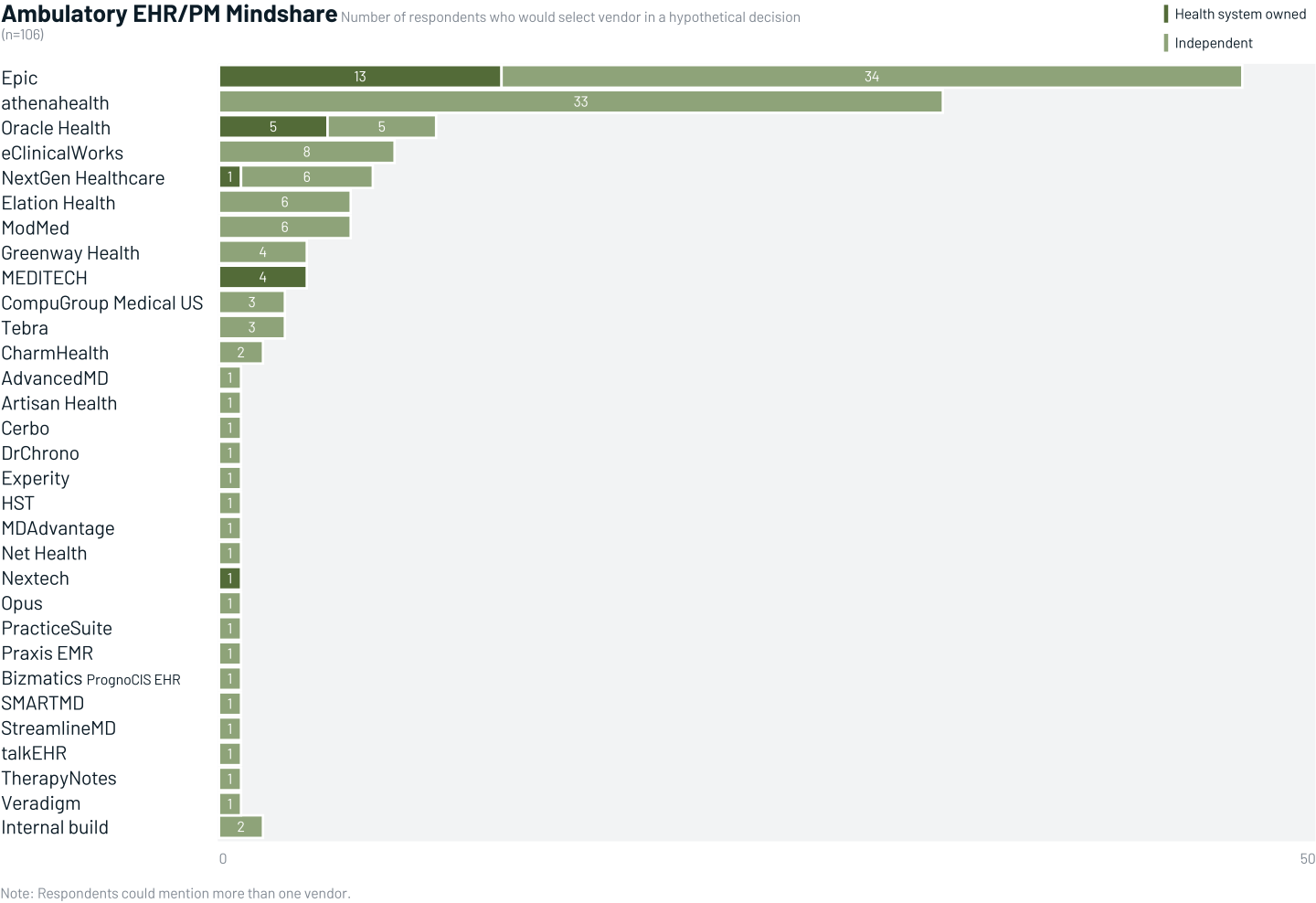
Overall, independent ambulatory practices favor robust functionality, high usability, and comprehensive platforms. Among these practices, Epic and athenahealth have the most mindshare, with four times as many respondents choosing them in a hypothetical decision as the next highest, eClinicalWorks. As a result of Epic’s growth in acute care market share, their reputation among ambulatory respondents has been strengthened, and many believe Epic would be able to deliver well for their practice. Previously, clinics may not have thought Epic was an option for them, but some feel the newer Garden Plot will enable Epic to provide them with the same level of technology provided to acute care customers. Respondents who mention athenahealth often point to their strong reputation for delivering needed ambulatory functionality and high usability for caregivers. Practices of many sizes also mention the benefits of athenahealth’s comprehensive platform, which can be a one-stop shop for those looking to consolidate. Other vendors are mentioned significantly less; some that previously saw high adoption and/or mindshare were mentioned very few times overall.
DECISION INSIGHTS
Primary Decision Factors for Ambulatory EHR/PM Solutions Are Ease of Use, Interoperability, Product Quality & Technology
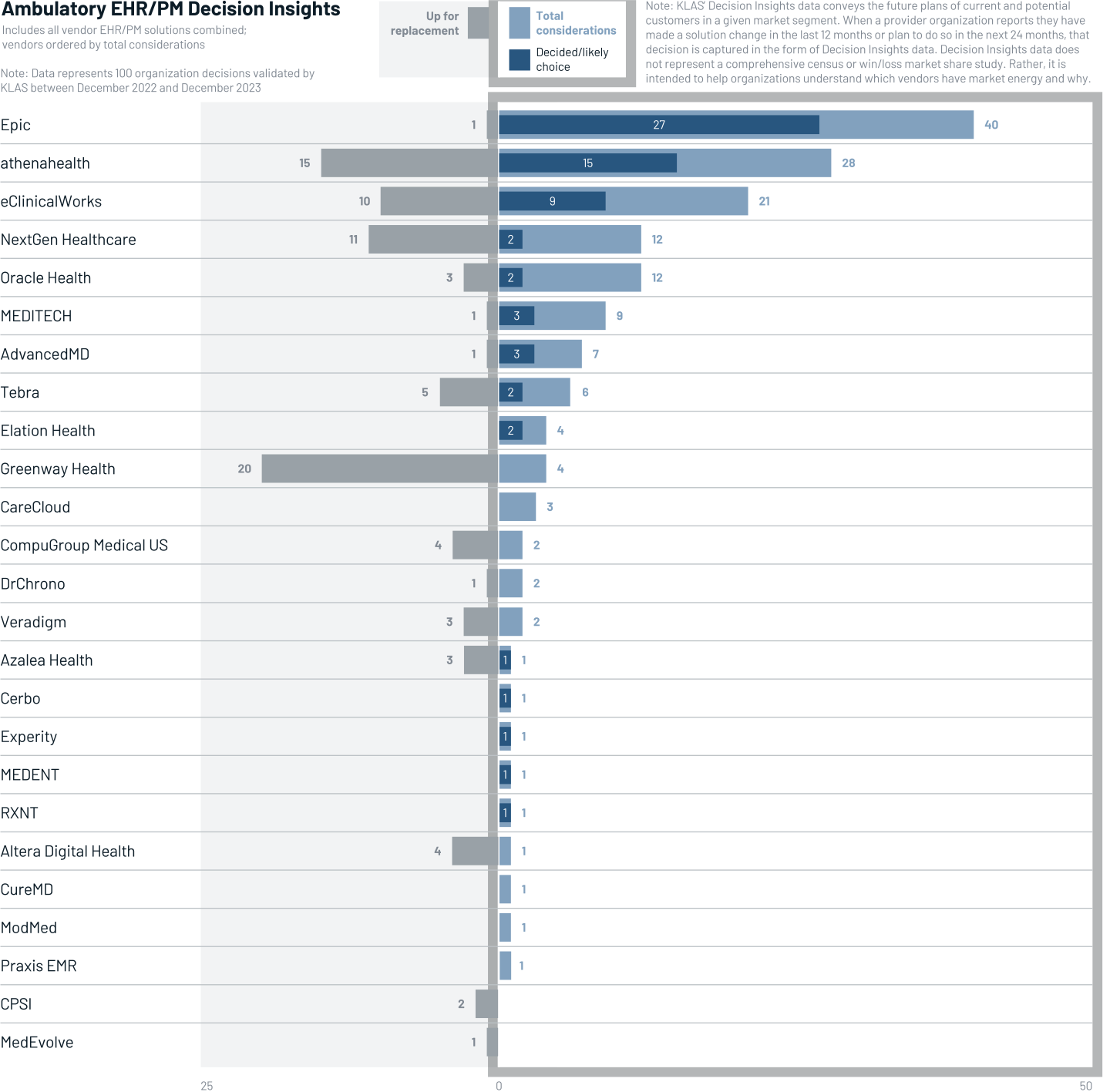
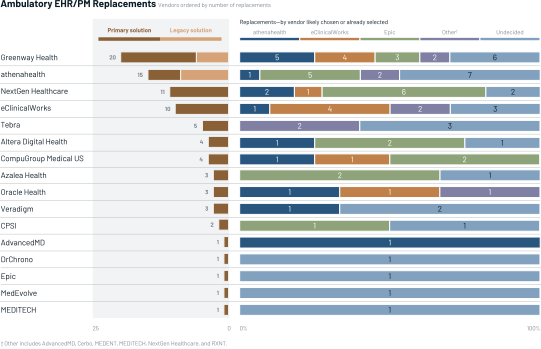
Trends seen in the mindshare data play out similarly among interviewed organizations who are actively making a purchase decision. Epic is the most often chosen, by both independent and health system–owned practices. The Community Connect platform was considered by 22 practices, with 15 noting it as their likely choice. The main decision factors for these respondents are interoperability and data sharing for better collaboration with local hospitals and providers; they also point to Epic’s broad functionality, stability, low maintenance, and cost-effectiveness. Those considering Epic’s direct model prioritize interoperability. Ambulatory practices consider athenahealth for their technology, product quality, usability, and market presence, with many especially pointing to the cloud-based architecture and promise of continual improvement. While athenahealth sees a high number of replacements, the majority are of legacy GE platforms (e.g., athenaPractice, athenaFlow, athenaIDX) due to a lack of product development, and many are now considering athenahealth’s integrated go-forward solution (see chart in next section). Those replacing athenahealth’s main platform cite consolidation as their motivation. NextGen Healthcare’s considerations are split between their two products. The Enterprise product generates interest, but only NextGen Office has been reported chosen in the past year (exclusively by small practices). Key decision factors include the vendor’s specialty functionality and familiarity in the market. Half of Oracle Health’s considerations are from health system–owned facilities who want enterprise-wide consolidation; one says Oracle Health is their likely choice. Additionally, one independent organization is leaning toward Oracle Health, primarily for their integration; others have decided against the vendor in favor of solutions that offer better integration, functionality, and future-proofing.
Greenway Health, NextGen Healthcare & eClinicalWorks See Greatest Number of Replacements of Primary Solutions
Customers looking to replace Greenway Health cite significant declines in their satisfaction with the relationship and support (particularly from offshore resources). Other reasons include a lack of specialty functionality, increased cost, insufficient product development, and changes in reporting functionality that have affected the ability to meet regulatory requirements. Those considering eClinicalWorks point to consolidation and the system’s broad capabilities; however, many have decided against the vendor due to word of mouth from current customers. Respondents looking to replace eClinicalWorks cite persistent issues, including frequent disruptions during updates, inadequate vendor support, increased costs without corresponding value, and a lack of interoperability/integration. Nearly all interviewed customers planning to replace NextGen Healthcare cite nickel-and-diming for necessary functionality as their primary motivator. Several also feel the relationship and support have deteriorated significantly and that the vendor has recently fallen short in their delivery of promised product development.
MINDSHARE—BY PRACTICE SIZE
Large Independent Practices Mostly Look to Epic & athenahealth for Strong Technology Solutions
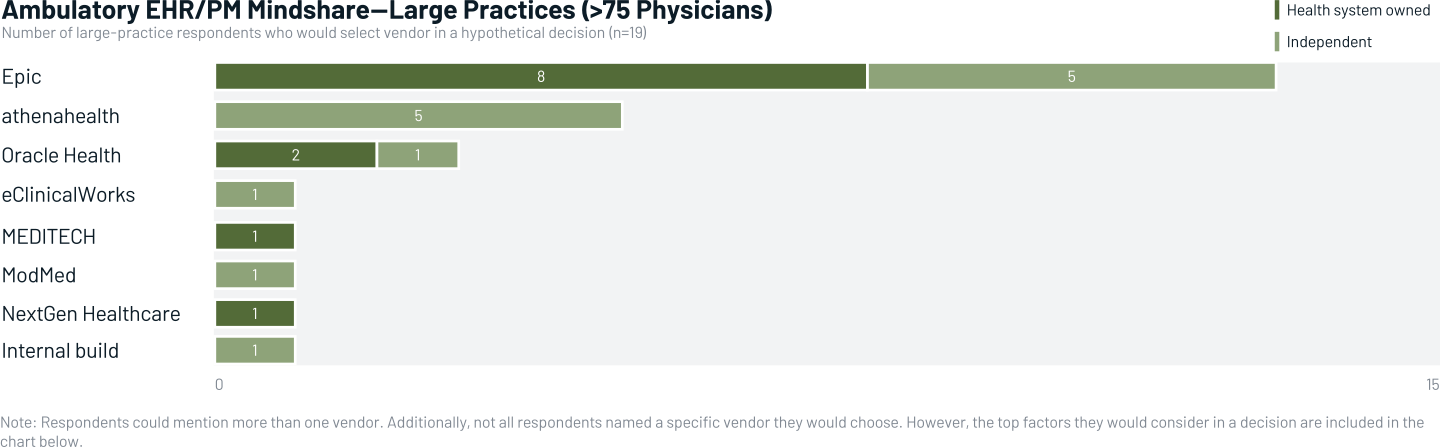
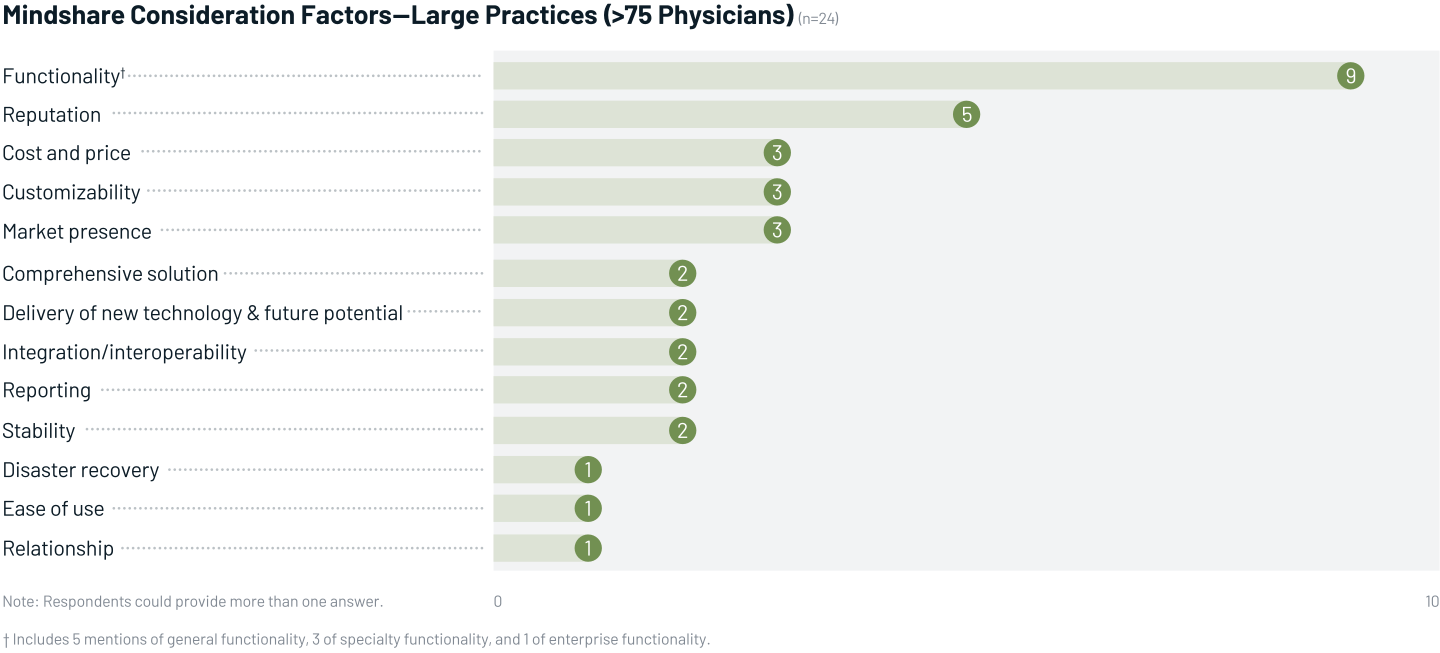
Large independent ambulatory practices (>75 physicians) have a smaller field of choices when it comes to core solutions, and respondents say few options have proven the ability to scale and allow for complexities. Among large practices (both independent and health system owned), Epic—who was recently named the 2024 Best in KLAS winner for ambulatory EHRs in this size category—has over twice as much mindshare as any other vendor. Overall, respondents view Epic as a reliable partner who provides stable, high-functioning, and interoperable technology. athenahealth holds the second-highest mindshare for large practices, with many noting that the system’s ease of use can combat burnout and aid in scalability. In a hypothetical decision, Oracle Health is primarily the second or third choice among those who mentioned the vendor. The one respondent whose primary choice would be Oracle Health spoke to the potential technology and efficiencies that could result from promised EHR/ERP integration. The other two respondents who mention Oracle Health cite their market presence and ability to potentially reduce provider burnout. MEDITECH was mentioned as top of mind in a hypothetical decision once, by an Oracle Health customer. Responding MEDITECH Expanse users cite Epic as the primary consideration in a hypothetical decision, saying they believe Epic may be able to meet specialty ambulatory needs better than MEDITECH could. NextGen Healthcare and ModMed were each brought up once, for their specialty functionality, and eClinicalWorks was mentioned once, for their low cost.
For Independent Midsize Practices, Integration & Product Strength Are Top Drivers in Mindshare Considerations
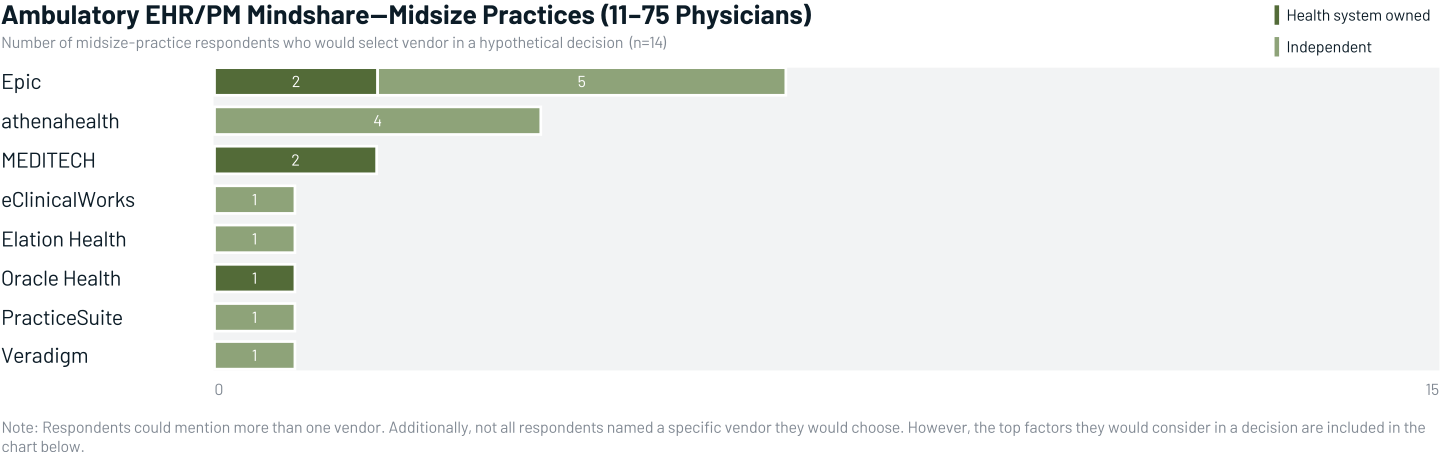
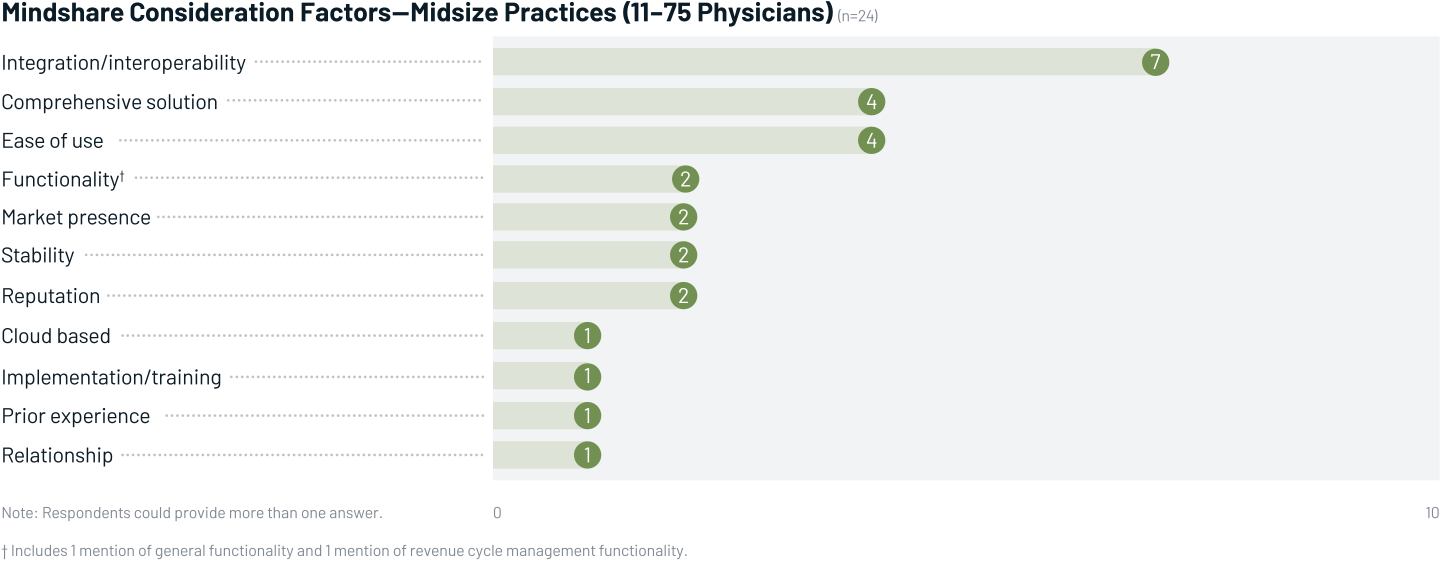
Midsize independent ambulatory practices (11–75 physicians) are seeking additional integration/interoperability from their core vendors. All of the health system–owned respondents are looking at enterprise vendors (e.g., Epic, MEDITECH, Oracle Health) to fill that need. Notably, only one midsize independent organization cited integration capabilities as the reason they would choose Epic in a hypothetical decision; the rest cite Epic’s reputation as well as word of mouth as the reason Epic would be their top choice. Respondents note that athenahealth—who is the 2024 Best in KLAS winner for ambulatory EHRs in the midsize category—is attractive due to the significant value of a consolidated platform. PracticeSuite is noted once, because of prior relationships and the quality of support received in the past. With one mention each, Veradigm and Elation are noted for their usability; the respondent who mentioned Elation also highlighted the vendor’s concierge medicine functionality.
Small Independent Practices Feel athenahealth & Epic Can Increase Usability & Lower Costs
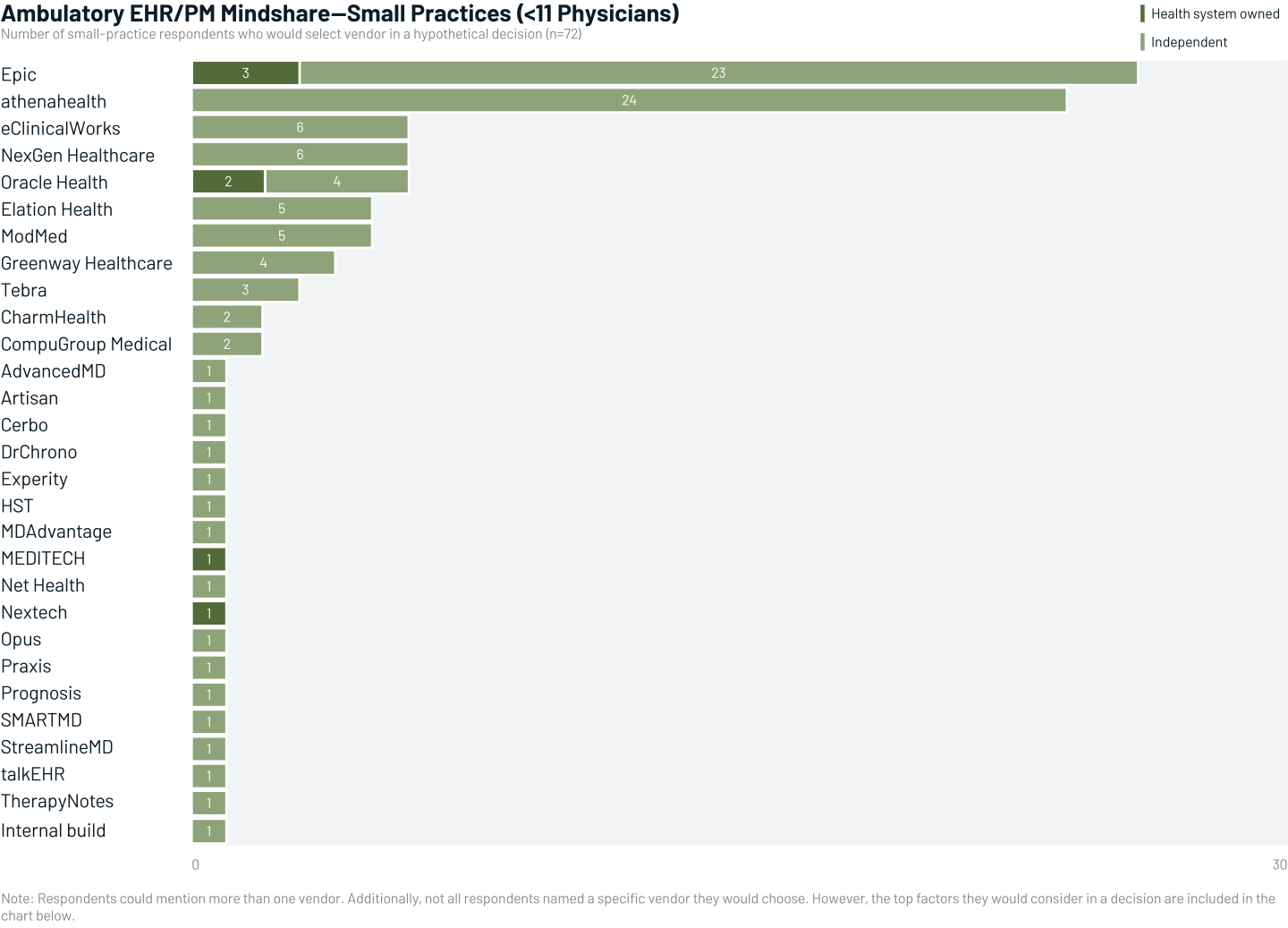
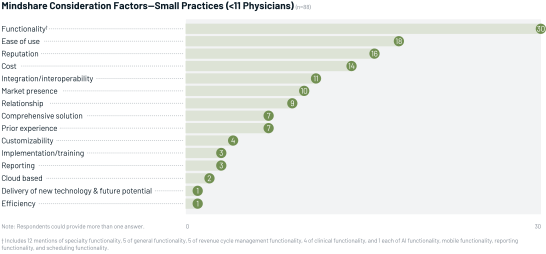
Small independent practices (< 11 physicians) generally have less complex technology needs and thus have a much wider pool of core EHR/PM solutions to choose from. However, these practices are much more likely to look for niche specialty functionality rather than broad, multispecialty capabilities. athenahealth has the most mindshare among small independent practices—and was the 2024 ambulatory EHR/PM Best in KLAS winner for small practices. Respondents say athenahealth’s technology is a good fit and offers a wide variety of functionality and services, allowing practices to reduce the number of vendors they use. Additionally, respondents find athenahealth easy to use and have heard positive peer endorsements. Epic does not currently sell their EHR/PM offering directly to small independent practices. Still, many respondents using other EHRs mention that Community Connect is available through local hosts, and some would consider this option in a hypothetical decision due to lower costs and increased usability, stability, and functionality. Although eClinicalWorks claims significant customer growth, the vendor is not frequently mentioned in KLAS’ mindshare data. Those who mention eClinicalWorks do so because of brand recognition or prior experience with the vendor.
About This Report
This report is a perception study. It is important to note that this report is not focused on customer satisfaction but rather on ascertaining which ambulatory EHR/PM vendors are top of mind for ambulatory practices. To examine this, the report uses two data sets: (1) mindshare data and (2) KLAS Decision Insights data.
Mindshare
To gather mindshare data, KLAS spoke to over 150 ambulatory practices from August 2023 to December 2023. Respondents were asked, “If you were hypothetically in the market for a core EHR/PM solution, who would be your top three vendors, and why?” 106 respondents shared the specific vendors they would consider. Other respondents did not name specific vendors but still shared the top factors they would consider in a decision. Note that vendors not discussed in this report may hold mindshare for ambulatory practices, but respondents did not bring them up in conversations with KLAS.
Decision Insights
The Decision Insights data represents feedback from 100 ambulatory practices interviewed between December 2022 and December 2023. KLAS’ Decision Insights data conveys the future plans of current and potential customers in a given market segment. When a provider organization reports they have made a solution change in the last 12 months or plan to do so in the next 24 months, that decision is captured in the form of Decision Insights data. Decision Insights data does not represent a comprehensive census or win/loss market share study. Rather, it is intended to help organizations understand which vendors have market energy and why.

Writer
Carlisa Cramer

Designer
Breanne Hunter

Project Manager
Andrew Wright
This material is copyrighted. Any organization gaining unauthorized access to this report will be liable to compensate KLAS for the full retail price. Please see the KLAS DATA USE POLICY for information regarding use of this report. © 2026 KLAS Research, LLC. All Rights Reserved. NOTE: Performance scores may change significantly when including newly interviewed provider organizations, especially when added to a smaller sample size like in emerging markets with a small number of live clients. The findings presented are not meant to be conclusive data for an entire client base.