KLAS Contact

Contact KLAS
Contact KLAS
 2026 BEST IN KLAS
Preferences
Related Series

2022

2019

2017
.jpg?preset=report-cover-two-page-report)
2015
.jpg?preset=report-cover-two-page-report)
2013
.jpg?preset=report-cover-two-page-report)
2006
Related Segments

Small Practice Ambulatory EHR/PM (1–10 Physicians) 2024
How Well Do Vendors Meet Small Practices’ Functionality Needs beyond the EHR & PM?

Author
Chris Clune

Author
Alex McIntosh
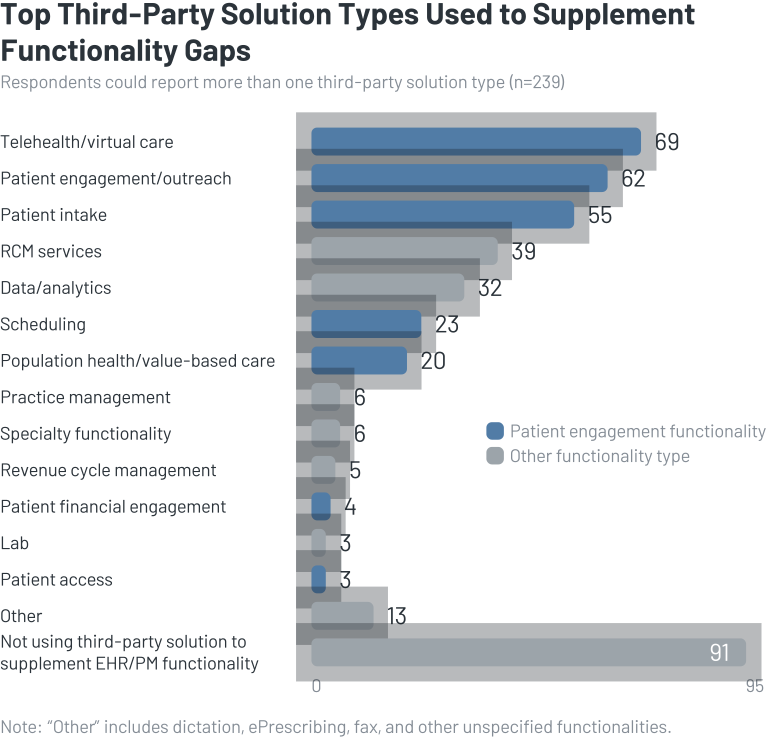
Ambulatory care is an ever-evolving landscape, and small practices (1–10 physicians) are increasingly seeking more from their core EHR and PM vendors. With limited IT resources, small practices need vendors who invest in their success by offering robust technology and guidance to streamline administrative tasks, enhance efficiency, and—ultimately—improve patient care. For a market where most vendors don’t meet all small practices’ functionality needs, this report delves into (1) common third-party solution types used to fill functionality gaps within core EHR and PM solutions, (2) capabilities that small practices want their core vendors to develop, and (3) overall customer satisfaction with their vendors.
Customers of tebra, Elation Health & CompuGroup Medical Report Highest Number of Functionality Gaps; Patient Engagement Solutions Are Most-Used Third-Party Software
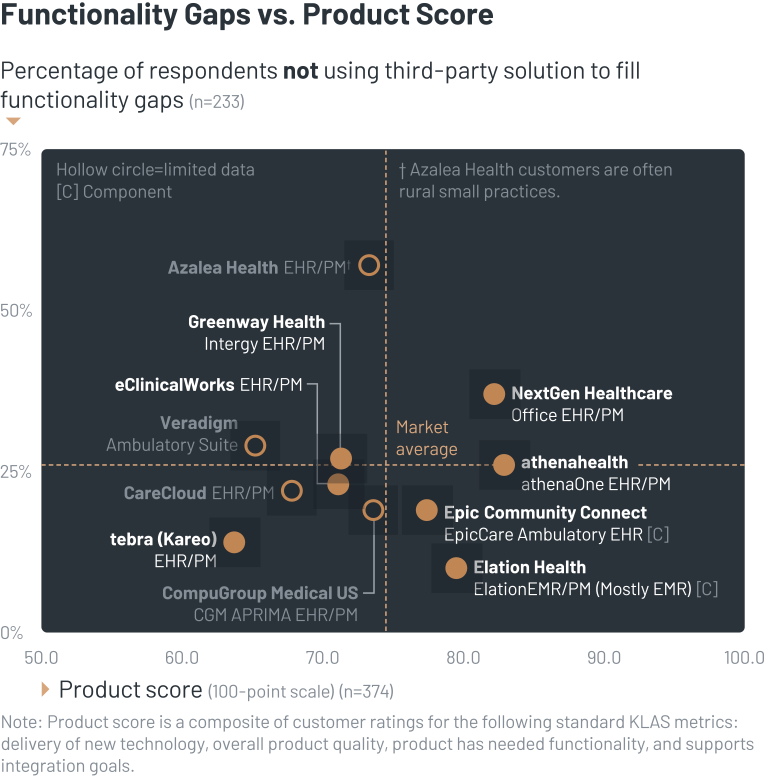
Of the small practices interviewed for this report, 64% report missing or poor-quality supplementary functionality (beyond the EHR and PM) from their core vendor. In order to fill these gaps, practices look to third-party vendors for more robust functionalities, most commonly for patient engagement (e.g., telehealth/virtual care, patient outreach, patient intake, scheduling). Most interviewed tebra (Kareo) customers report such functionality gaps; in particular, nearly 33% of respondents use a third-party telehealth solution because they feel tebra’s offering is pricey and doesn’t work as expected. While CompuGroup Medical is noted for providing RCM services, more than 20% of respondents have moved to third-party firms due to struggles with achieving desired collection rates. Additionally, EHR and PM users want the vendor to improve their overall support and better deliver expected financial outcomes. Elation Health customers use third-party software to fill a wide variety of functionality gaps; almost 60% of respondents note the vendor does not meet their needs for telehealth and patient intake. Several small practices using Epic Community Connect supplement with third-party technologies because their host organization does not provide all needed tools (e.g., telehealth, population health), despite those being offered by Epic.
Azalea Health and NextGen Healthcare Office customers are least likely to supplement their EHR and PM solutions with third-party technologies. Customers of NextGen Healthcare highlight that the software often meets their needs for patient engagement and other areas. As Azalea Health often serves rural small practices, interviewed customers often note they have fewer technology needs, leading them to feel the EHR and PM solutions have fewer functionality gaps.
Most EHR/PM Vendors Aren’t Delivering All Technologies That Small Practices Need
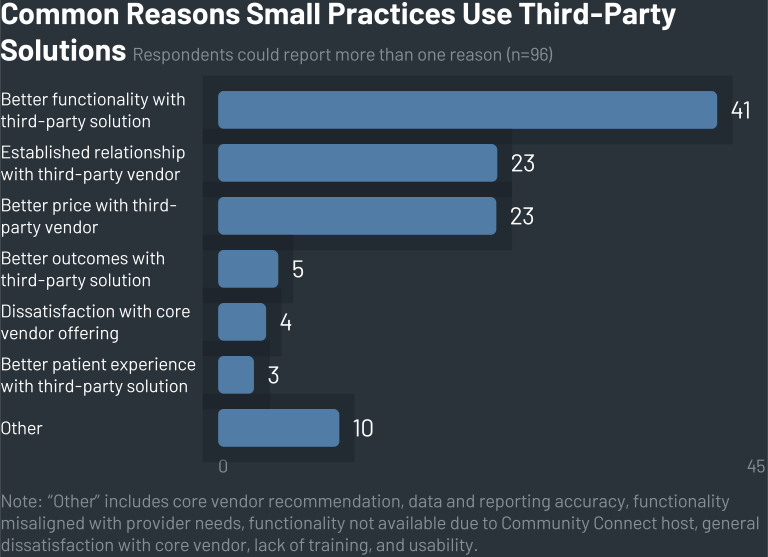
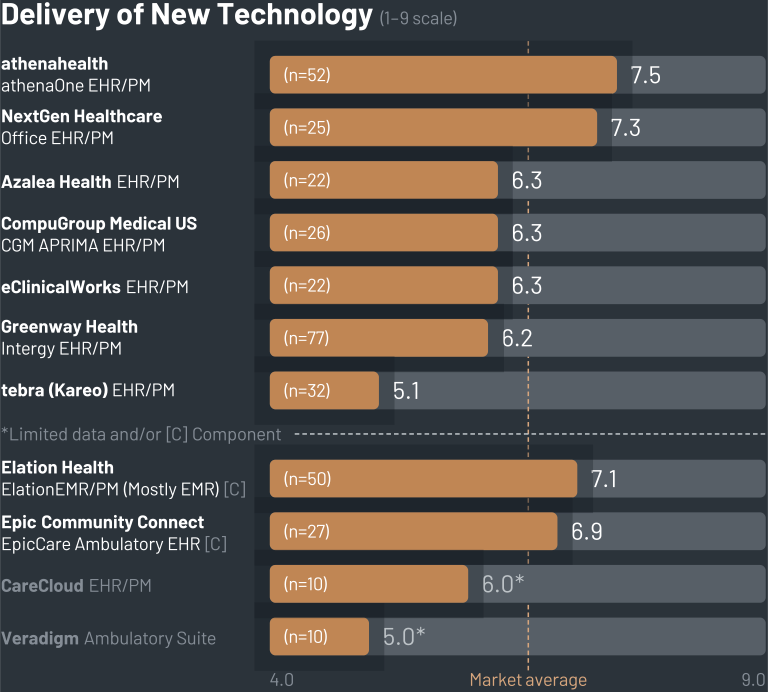
Many small practices want their core vendor to provide a comprehensive platform that includes all or most needed functionalities and services, as juggling multiple vendor relationships and integrations can be frustrating and difficult. Interviewed practices note that their core vendors don’t always successfully deliver needed technology or that delivery is slower or more costly than expected, causing practices to continue to rely on third-party solutions. Some respondents also report experiencing better relationships and ROI with their third-party vendors, which can decrease their interest in using supplemental functionalities from their core vendors. Customers of Azalea Health, CareCloud, CompuGroup Medical, eClinicalWorks, Greenway Health, tebra, and Veradigm report that their vendors aren’t providing needed functionality quickly enough; additionally, when functionality is delivered, they feel it often has bugs or doesn’t meet their needs. Since Kareo merged with PatientPop to form tebra, customers report that certain features have been removed. Veradigm respondents, in particular, are frustrated that the vendor isn’t consistently updating the EHR and PM software.
Small Practices Want EHR/PM Vendors to Improve Patient Intake Capabilities; athenahealth, Epic & eClinicalWorks Highlighted for This Area
When asked what functionalities core vendors should prioritize developing, interviewed small practices most commonly mention wanting a fully integrated patient intake offering to reduce their administrative burden, especially amid high turnover rates for front- and back-office departments. Most measured vendors provide some patient intake functionality but don’t meet all needs in this area. athenahealth, Epic, and eClinicalWorks are the only vendors in this report who offer comprehensive patient intake functionality via their patient portals or apps. Customers of athenahealth and Epic Community Connect often say the stable, functional patient intake capabilities meet all of their needs, though a few respondents still use third-party patient intake software to access more robust features. eClinicalWorks has a new patient intake offering, healow CHECK-IN; respondents note this offering has similar functionality problems to other eClinicalWorks solutions, leading some customers to look elsewhere for patient intake software.
Regardless of whether a core vendor offers capabilities outside of EHR and PM functionality, many small practices still need to supplement with third-party software to gain desired features, and they need their core vendor to integrate well with their third-party software. NextGen Healthcare and athenahealth customers highlight their vendors for their strength in integrating third-party data with core solutions. athenahealth respondents especially appreciate the vendor’s Marketplace, which has a repository of vetted solutions that can integrate into the athenahealth platform. tebra (Kareo) customers are less satisfied, noting problems with integration and system usability; additionally, respondents report they struggle to get support from the vendor about these issues, which disrupt their ability to deliver care.
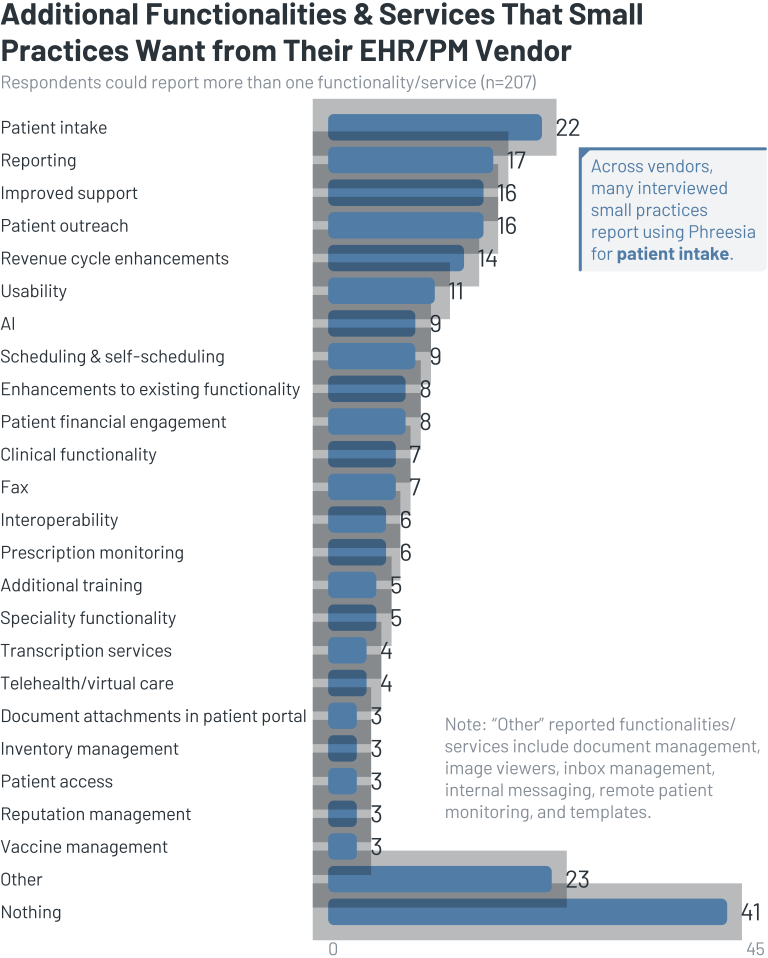
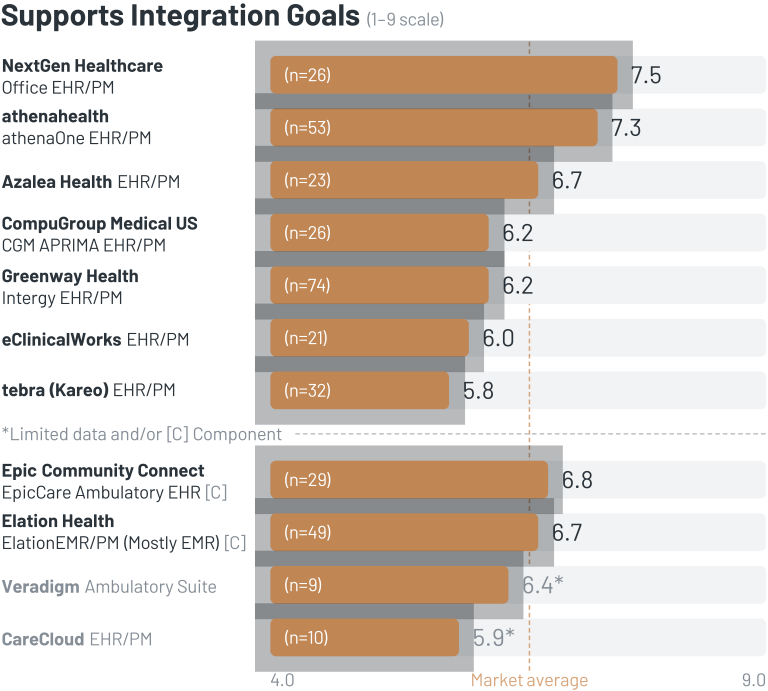
Customers of Elation Health, NextGen Healthcare & athenahealth Have High Trust in Vendors’ Ability to Improve Workflow Efficiency
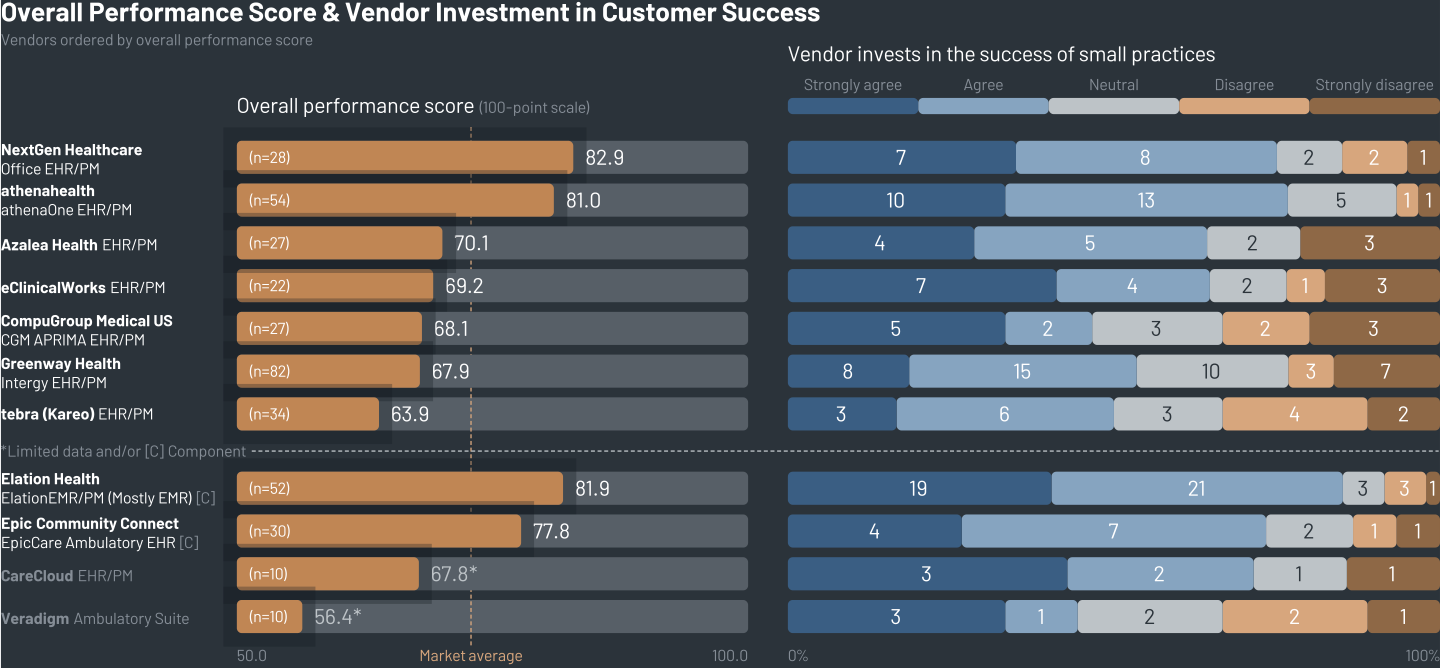
To help small practices optimize the end-user experience, core vendors need to partner with customers to improve workflow efficiency and empower users to fully utilize the solutions. Most interviewed Elation Health customers feel the vendor is invested in their success. Historically, Elation Health only provided an EHR, but they recently released a new EHR-integrated PM solution, which customers are quickly adopting. Users of the combined platform are more satisfied than customers who only use the EHR, highlighting the integration, ease of use, and streamlined workflow that enables them to spend more time with patients. Additionally, respondents say the vendor continually looks for ways to enhance efficiency, increasing their sense of partnership. NextGen Healthcare customers appreciate that the comprehensive, stable EHR and PM platform meets their requirements and allows them to focus on patients’ problems instead of on the software. Interviewed athenahealth customers and Epic Community Connect sites express confidence in the delivery of needed functionality because athenahealth and Epic continually invest in developing needed products. This—as well as the strong external integration with outside healthcare entities—supports these customers in providing high-quality care.
About This Report
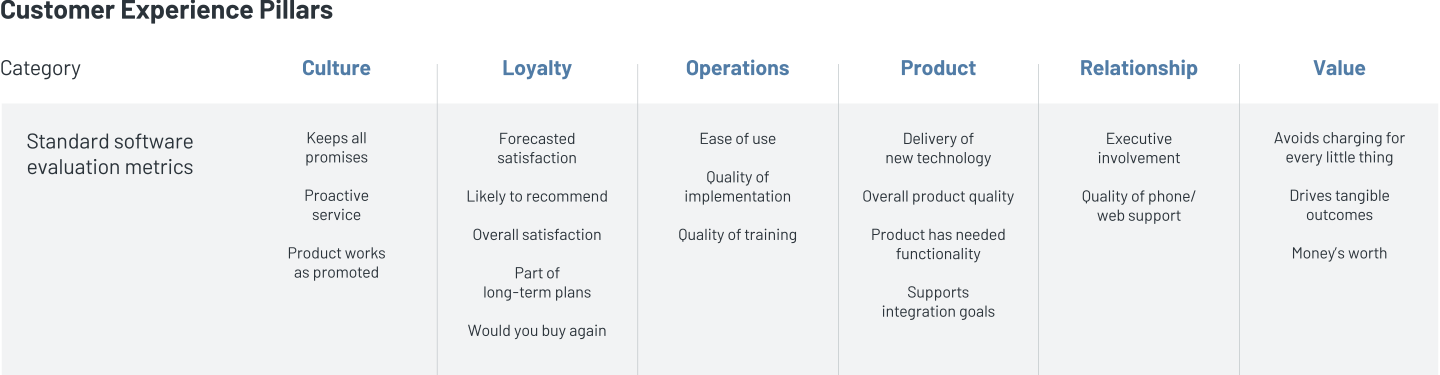
Each year, KLAS interviews thousands of healthcare professionals about the IT solutions and services their organizations use. For this report, interviews were conducted over the last 12 months using KLAS’ standard quantitative evaluation for healthcare software, which is composed of 16 numeric ratings questions and 4 yes/no questions, all weighted equally. Combined, the ratings for these questions make up the overall performance score, which is measured on a 100-point scale. The questions are organized into six customer experience pillars—culture, loyalty, operations, product, relationship, and value.
In addition to the standard evaluation on customer satisfaction, KLAS asked the following supplemental questions to gain insight into whether EHR/PM vendors are meeting the needs of small practices. Data was collected between May 2023 and May 2024.
- Where is your small practice using third-party solutions in place of solutions from your core EHR/PM vendor?
- Why is your small practice not using your core EHR/PM vendor’s offering in certain areas?
- What additional solutions or services would you like to see from your core EHR/PM vendor?
- Do you agree that your vendor is a partner who is engaged in your practice’s success?
Sample Sizes
Unless otherwise noted, sample sizes displayed throughout this report (e.g., n=16) represent the total number of unique customer organizations interviewed for a given vendor or solution. However, it should be noted that to allow for the representation of differing perspectives within any one customer organization, samples may include surveys from different individuals at the same organization. The following table shows the total number of unique organizations interviewed for each vendor or solution as well as the total number of individual respondents.
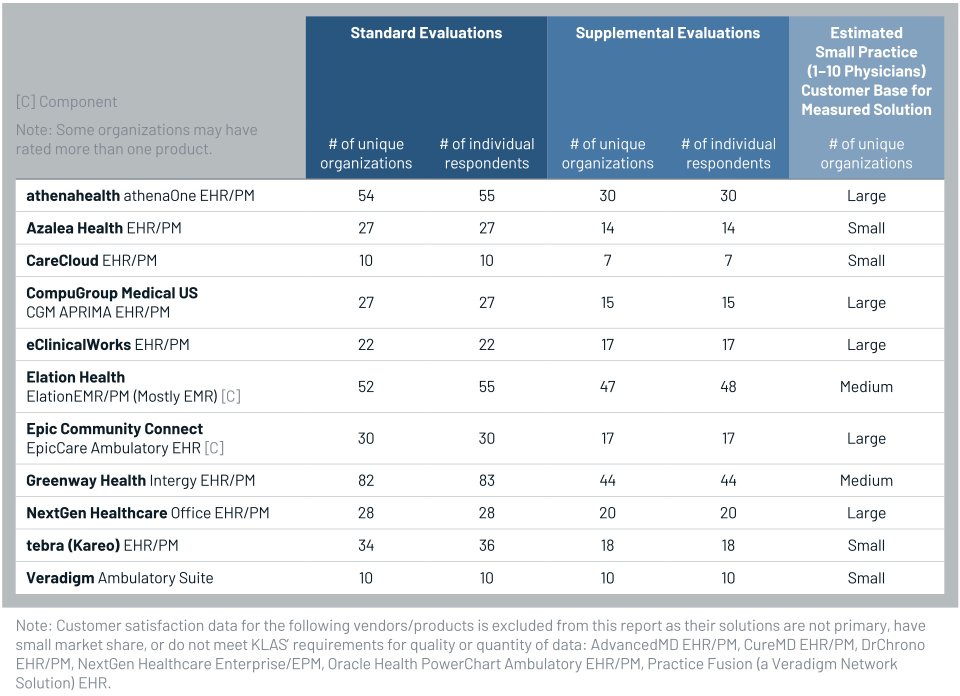
Some respondents choose not to answer particular questions, meaning the sample size for any given vendor or solution can change from question to question. When the number of unique organization responses for a particular question is less than 15, the score for that question is marked with an asterisk (*) or otherwise designated as “limited data.” If the sample size is less than 6, no score is shown. Where textual content relies on limited data, the vendor name is marked with an asterisk. Note that when a vendor has a low number of reporting sites, the possibility exists for KLAS scores to change significantly as new surveys are collected.
Product Designations Used in This Report
- Component [C]: Product that typically includes most but not all components that comprise a complete EHR/PM platform or that serves only a subset of the market.

Writer
Natalie Hopkins

Designer
Jess Wallace-Simpson

Project Manager
Andrew Wright
This material is copyrighted. Any organization gaining unauthorized access to this report will be liable to compensate KLAS for the full retail price. Please see the KLAS DATA USE POLICY for information regarding use of this report. © 2026 KLAS Research, LLC. All Rights Reserved. NOTE: Performance scores may change significantly when including newly interviewed provider organizations, especially when added to a smaller sample size like in emerging markets with a small number of live clients. The findings presented are not meant to be conclusive data for an entire client base.